
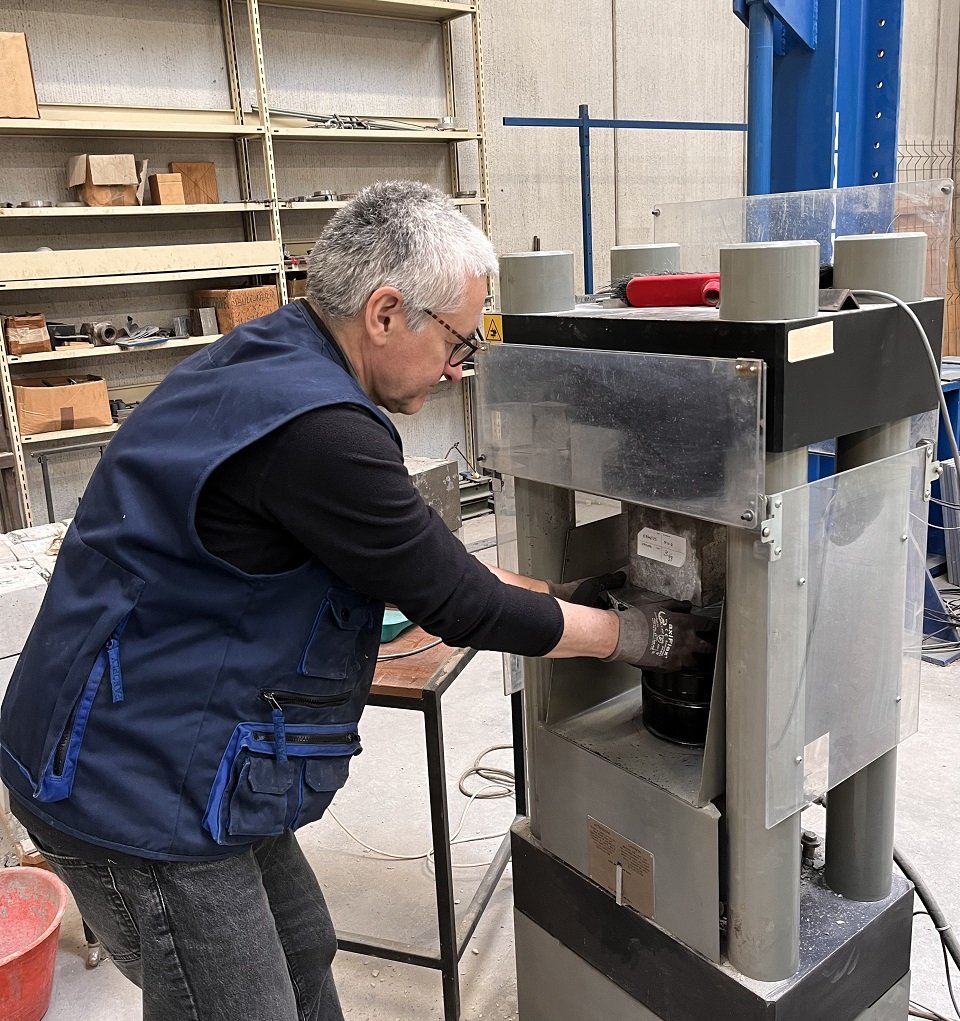
What happens when a board game is brought into a university classroom to teach technical and scientific content? At the University of Udine, Ludus (Ludendo docere utini scientiam) was tested—a new way to integrate traditional teaching (without replacing it) with an analog game-based learning session. The project, coordinated by Marco Bietresato, had two main objectives: to reinforce the understanding and retention of technical concepts, and to stimulate motivation, focus, and collaboration. The experience involved 16 students from two courses in the undergraduate programs in Food Science and Technology and in Viticulture and Enology, both part of the Department of Agro-Food, Environmental and Animal Sciences. Four analog games—i.e., without digital components—were designed and created to facilitate the learning of even complex concepts related to equipment used for handling liquid products in the food industry. The two courses involved, “Machines and Plants for the Food Industry” and “Machines and Plants for Enology,” have a strong technical, graphical, and computational component.
More news

11 September 2026 | NEWS
The fourth edition of the “Collega-menti” festival is set to begin








8 April 2026 | NEWS
Ennio Morricone a musician of our time



18 March 2026 | NEWS
Low Tides: The Italian States-General at the University of Udine
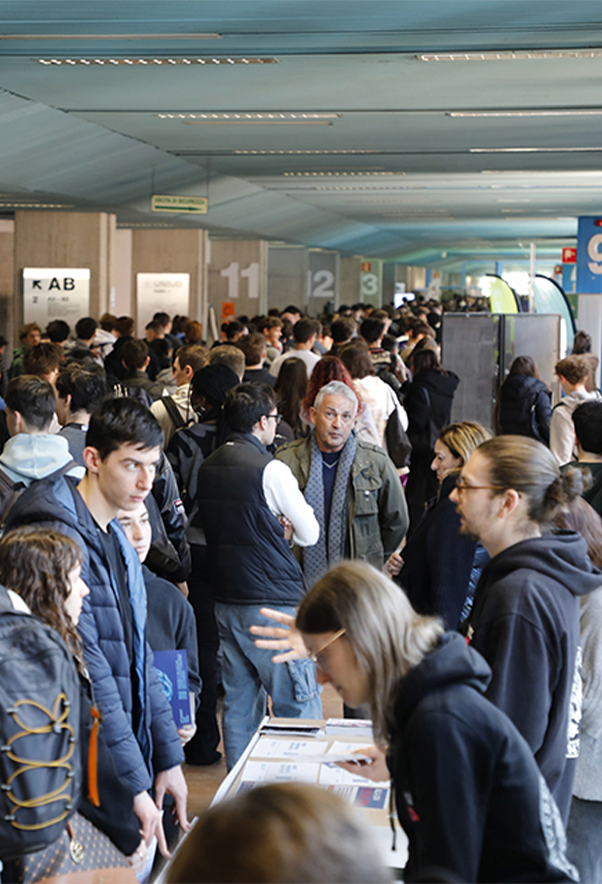
16 March 2026 | NEWS
9.000 secondary school pupils attend the 31st edition of Student Day

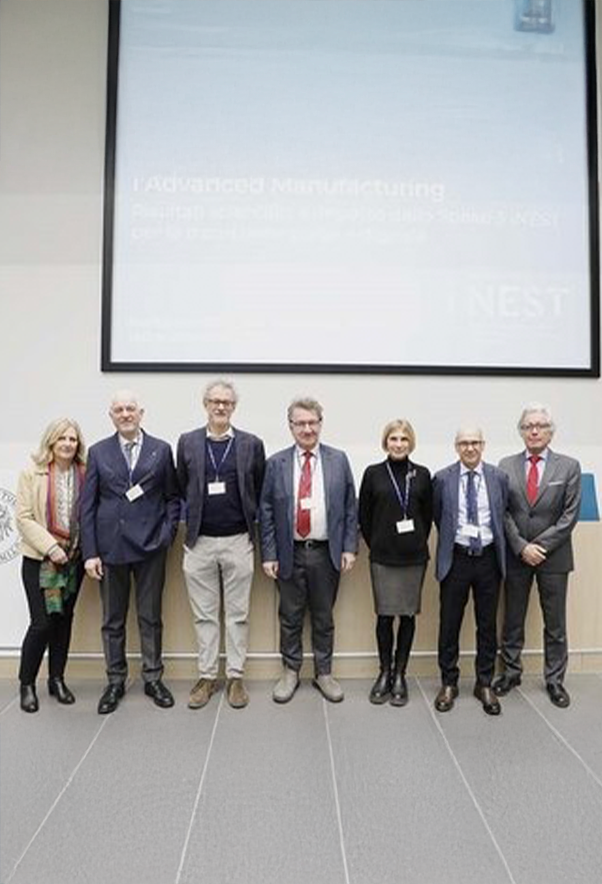


11 February 2026 | NEWS
Innovating for growth: research, enterprise, and tools for competing

2 February 2026 | NEWS
PhD Day celebrates 99 new PhD graduates and eight winners of the PhD Award
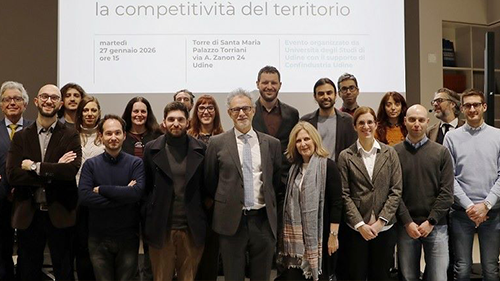
2 February 2026 | NEWS
The iNEST project involved 36 researchers, including 11 coordinators
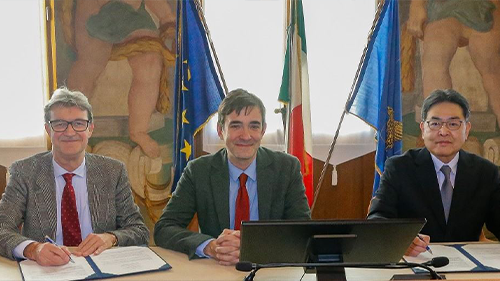
2 February 2026 | NEWS
Japan, joint double master's degree with the Kyoto Institute of Technology






2 December 2025 | NEWS
Development of innovative cancer therapies, international project

29 September 2025 | NEWS
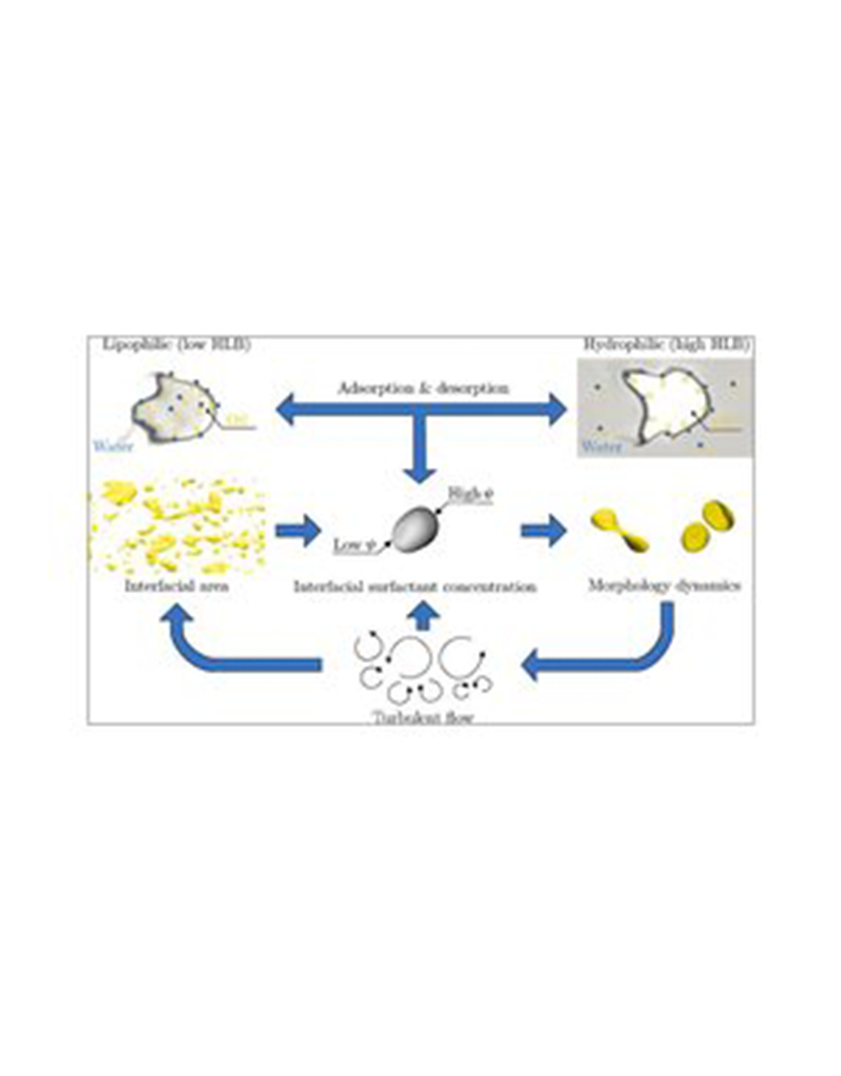
Surfactants, Study by the University of Udine and Vienna University of Technology

3 September 2025 | NEWS
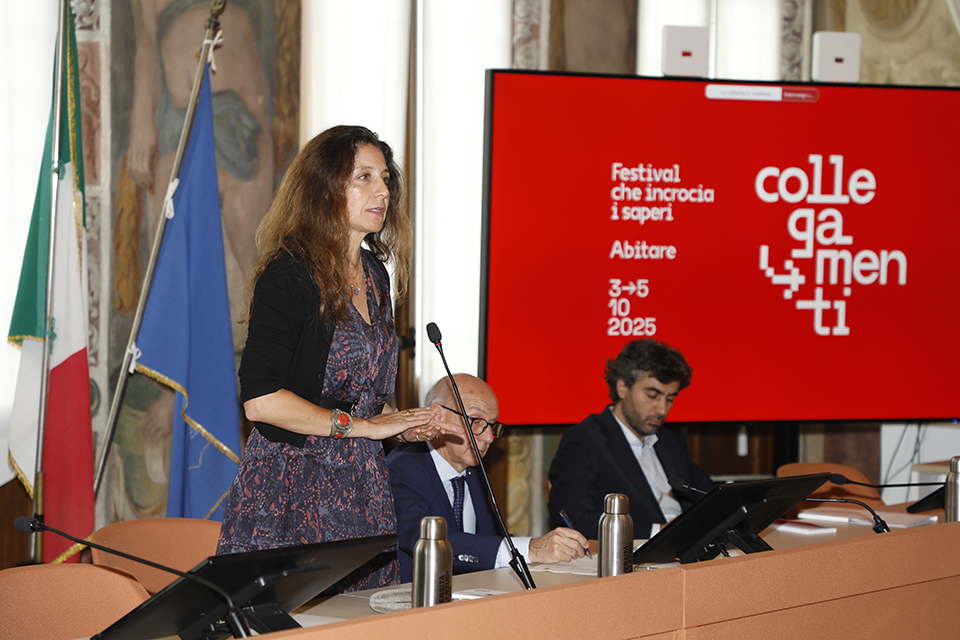
Gabriele Rizzetto is the University's new Director General






3 April 2025 | NEWS
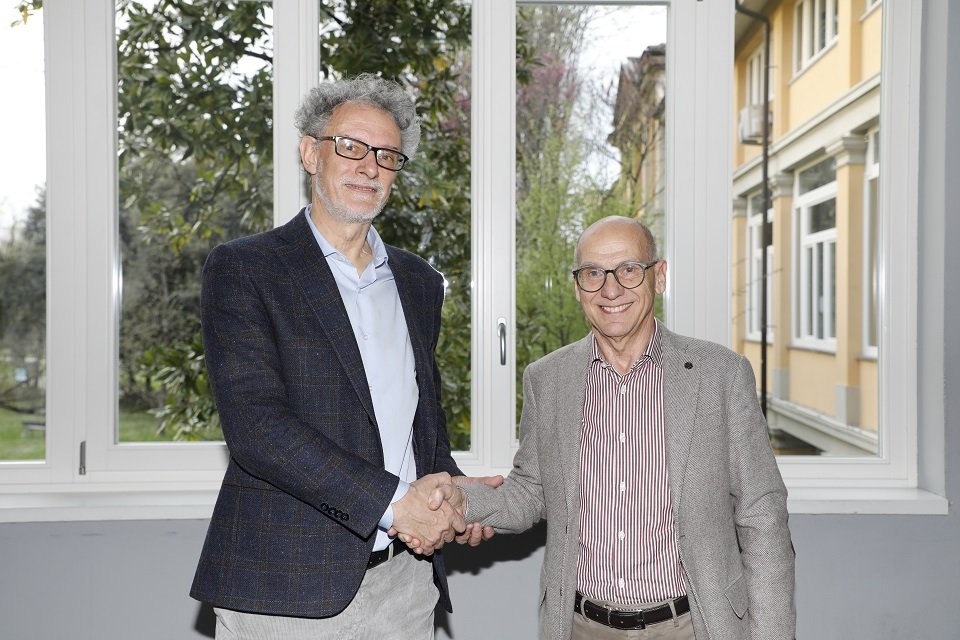
Angelo Montanari is the new Rector of the University of Udine
17 March 2025 | NEWS
The Dialogue Between East and West: A Conversation with Kader Abdolah


19 February 2025 | NEWS
Massimo Recalcati and the Biblical Roots of Psychoanalysis