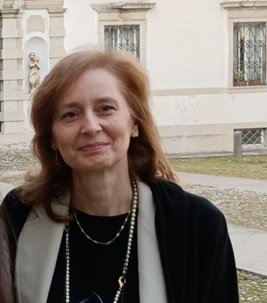
Contributing to targeting the mechanisms underlying tumours and chronic inflammation through the development of new technologies based on oligonucleotides, short gene sequences of deoxyribonucleic acid (DNA) and ribonucleic acid (RNA). This is the goal of the international On-Tract project, which will involve the University of Udine for four years alongside 15 other European partners, including 10 universities, a hospital, four companies and a non-profit organisation. The consortium has obtained €4.4 million in funding from the European Horizon programme – “Marie Skłodowska-Curie”. The University of Friuli, which has received a contribution of €281,000, is involved with a research group from the Department of Medicine coordinated by Carlo Vascotto, professor of molecular biology. The research, with an interdisciplinary approach, aims to develop innovative cancer therapies for personalised medicine based on oligonucleotides. In addition, it will train 14 PhD students in an international academic, clinical and industrial context with the aim of making cancer therapies more effective, safer and more accessible. The project, entitled “Oligonucleotide technologies for rapid advancement of cancer therapies”, is coordinated by the University of Southampton (United Kingdom).
More news

11 September 2026 | NEWS
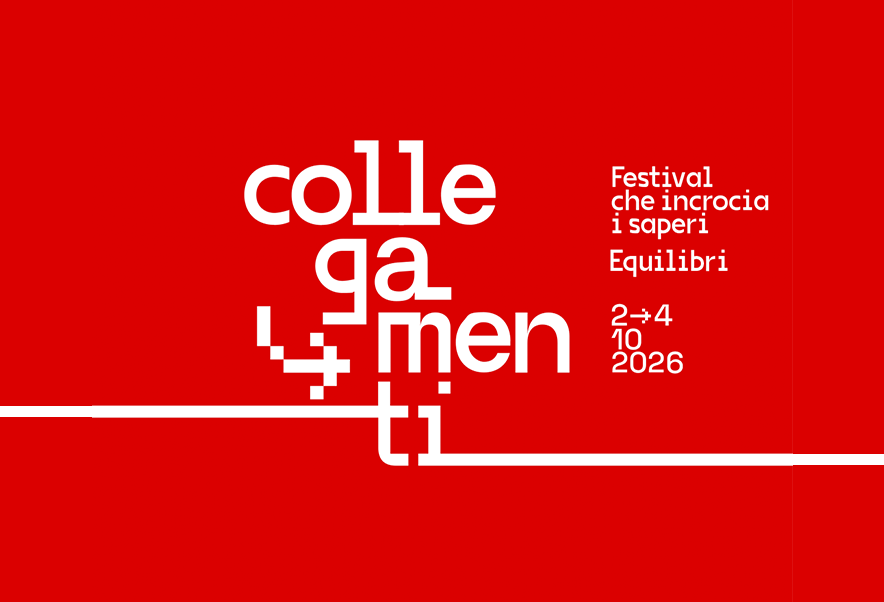
The fourth edition of the “Collega-menti” festival is set to begin





8 April 2026 | NEWS
Ennio Morricone a musician of our time

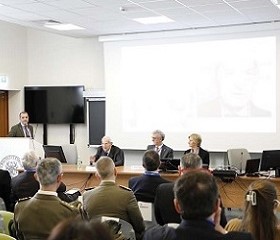

18 March 2026 | NEWS
Low Tides: The Italian States-General at the University of Udine
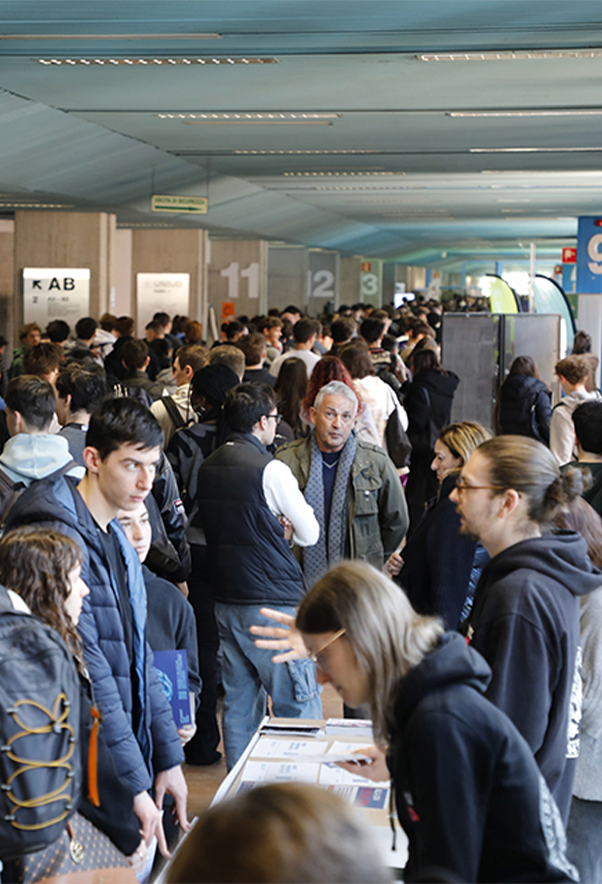
16 March 2026 | NEWS
9.000 secondary school pupils attend the 31st edition of Student Day

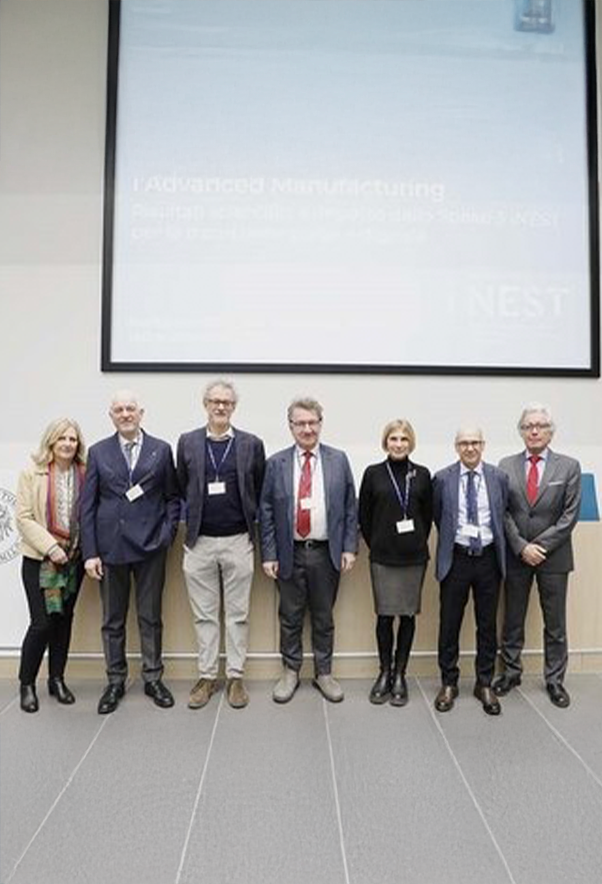

11 February 2026 | NEWS
Innovating for growth: research, enterprise, and tools for competing
2 February 2026 | NEWS
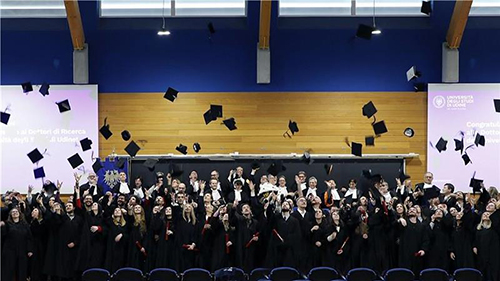
PhD Day celebrates 99 new PhD graduates and eight winners of the PhD Award
2 February 2026 | NEWS
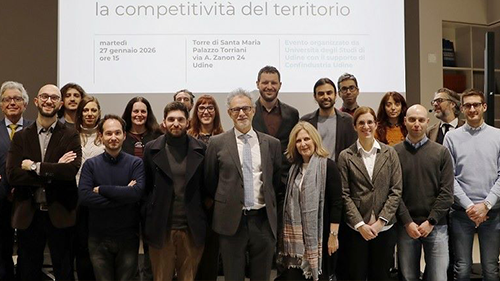
The iNEST project involved 36 researchers, including 11 coordinators
2 February 2026 | NEWS
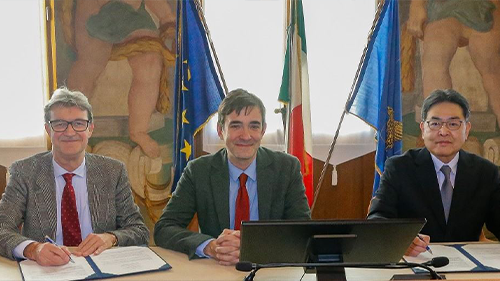
Japan, joint double master's degree with the Kyoto Institute of Technology





29 September 2025 | NEWS
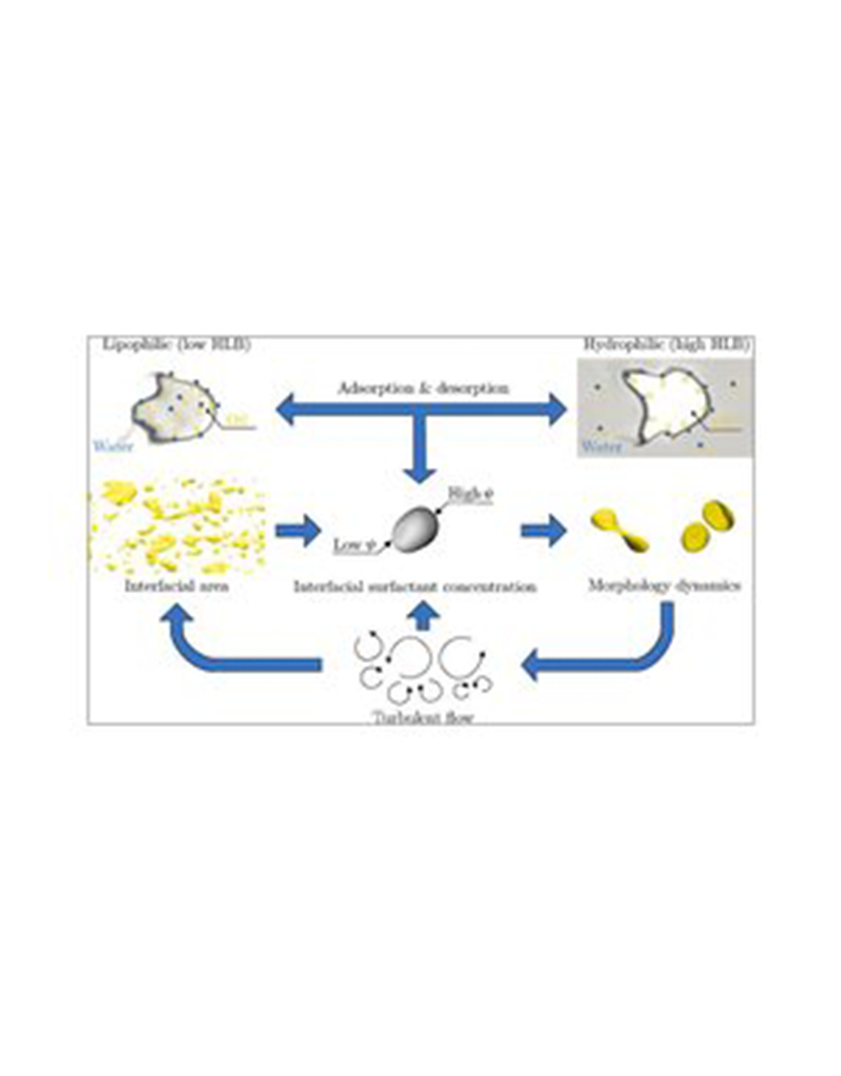
Surfactants, Study by the University of Udine and Vienna University of Technology
3 September 2025 | NEWS
Gabriele Rizzetto is the University's new Director General






3 April 2025 | NEWS
Angelo Montanari is the new Rector of the University of Udine
17 March 2025 | NEWS
The Dialogue Between East and West: A Conversation with Kader Abdolah


19 February 2025 | NEWS
Massimo Recalcati and the Biblical Roots of Psychoanalysis