Healthy ageing promotes the ability to produce narratives and express mental states, such as beliefs, desires, intentions and emotions through language. This is highlighted in a study conducted by the University of Udine in collaboration with the University of Turin. Ninety participants took part in the research, divided into three age groups: young adults, aged 20–40; older adults, aged 65–74; and seniors, aged 75–86. The study was published in the scientific journal Scientific Reports.
The study analysed three fundamental dimensions of narrative production: “productivity”, i.e. the number of words, speech rate and percentage of informative words; “markers of subjectivity”, i.e. adjectives and adverbs that express the narrator’s point of view, emotions or evaluations; and the spontaneous description of emotions in the story. At the same time, it observed the relationship between these narrative aspects and the ability to understand and represent one’s own and others’ mental states, such as desires, intentions and emotions (“theory of mind”).
The study found that older adults (aged 65–74) are the ones who most frequently use linguistic expressions (modalisers) that indicate degrees of certainty or uncertainty in their speech. These are adjectives and verbs that reflect the speaker’s assessment of the degree of certainty or doubt about what is being said.
In contrast, older participants (aged 75–86) showed a significant decline in the spontaneous description of emotions during storytelling.
Furthermore, the ability to express desires, intentions and feelings (Theory of Mind) was found to be linked to a spontaneous tendency to describe emotions and produce informative words. However, it was not linked to the use of markers of subjectivity (adjectives and adverbs that express point of view).
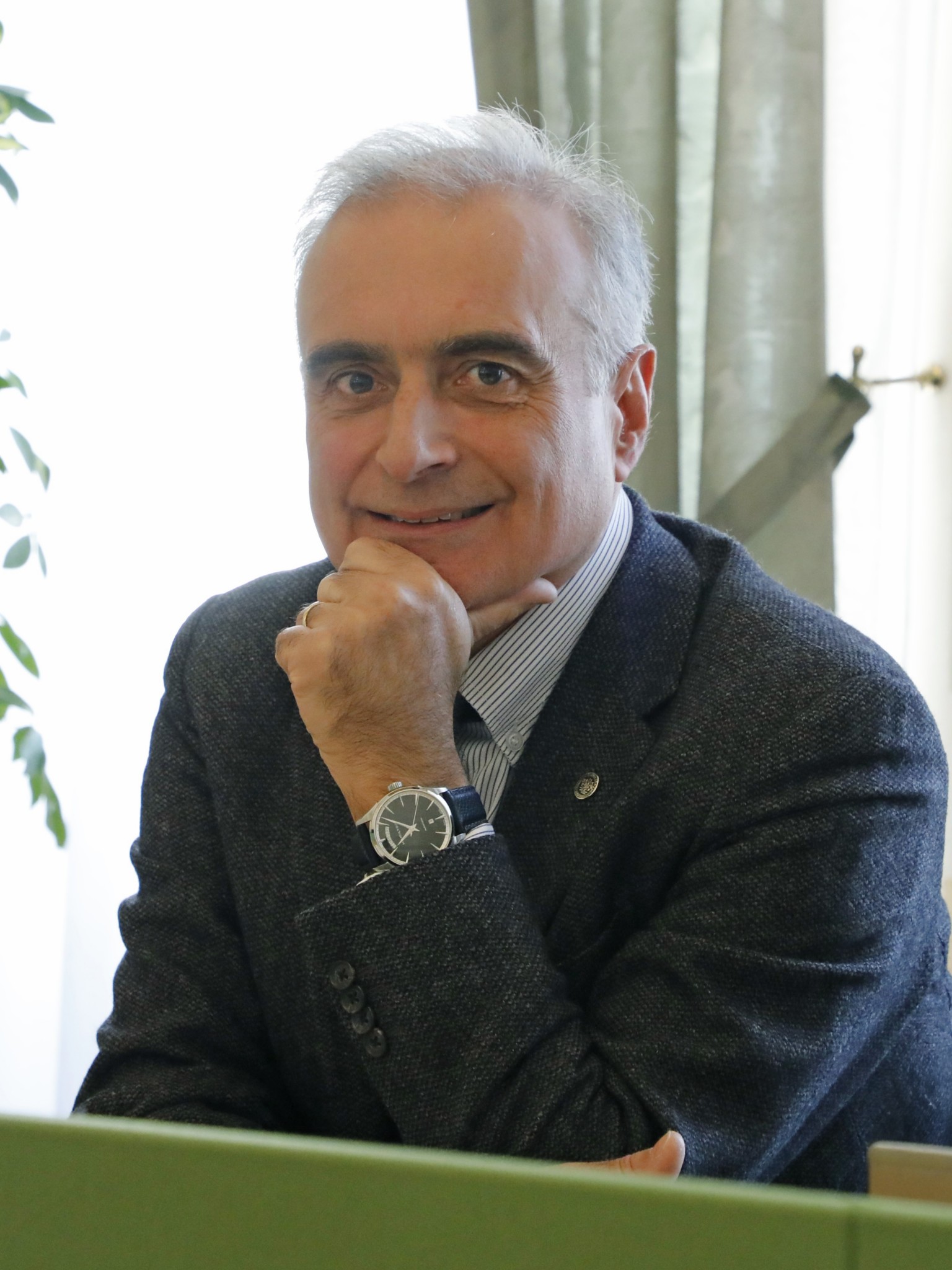
“The results – explains study coordinator Andrea Marini, professor of general psychology at the University of Friuli, ’offer new evidence on the relationship between language, subjective expressiveness and socio-cognitive abilities in the different stages of healthy ageing. Understanding how narrative abilities change over the course of a lifetime helps to outline more accurate models of communication, cognitive well-being and empathy in older people.”
The work was conducted by the Language Lab of the Department of Languages and Literatures, Communication, Education and Society at the University of Friuli in collaboration with the Turin University research group coordinated by Francesca Marina Bosco. The study is part of the Research Projects of National Interest (PRIN) funded by the National Recovery and Resilience Plan (PNRR).
More news