11 September 2026 | NEWS


Nine laboratory areas covering 600 square metres, from restoration to experimentation with artificial intelligence and a digital film studio that is unique in Italy. Created thanks to the support of the Ministry of University and Research, the Region, the Friuli Foundation and the Inest consortium
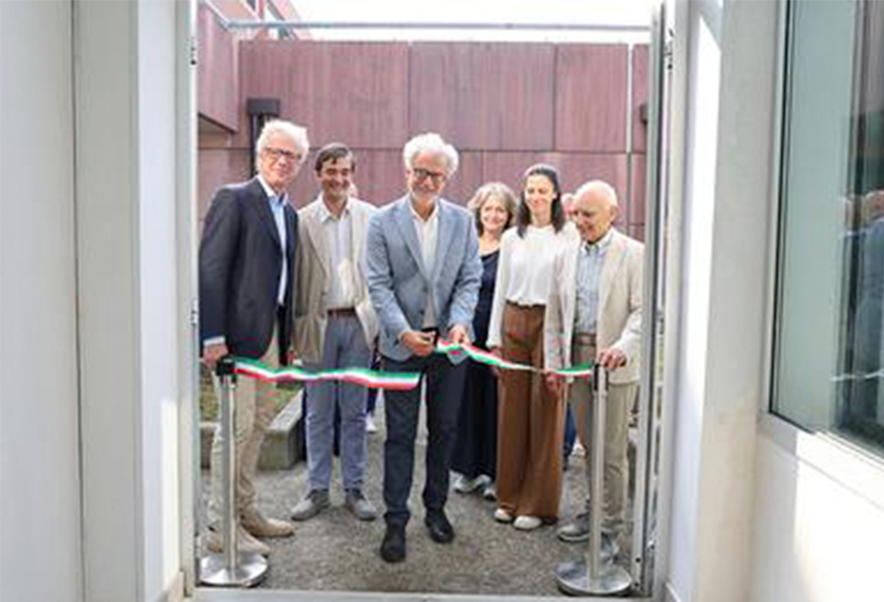
A new, large-scale centre of excellence in the field of audiovisual, digital and artificial media dedicated to research, design and training for innovative professionals. This is the MediaLab at the University of Udine, the 33rd laboratory, inaugurated today, of the Lab Village, the hub for integrated and mixed research with companies affiliated with the University of Friuli. It is the first humanities-oriented laboratory with a high technological coefficient to be based in the Village. The MediaLab is a multifunctional 600-square-metre facility, divided into nine equipped work areas, including a digital technology-equipped film studio, one of the few in Italian universities. The University has created it thanks to the support of the Ministry of University and Research, the Friuli Venezia Giulia Region, the Friuli Foundation and the Inest consortium.
What it is
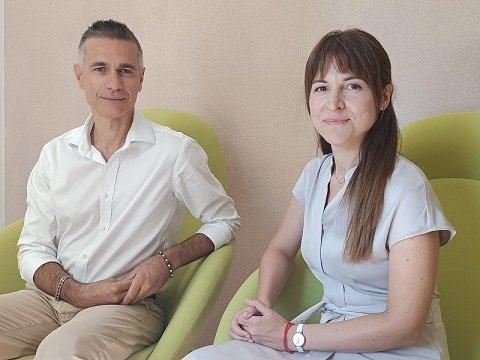
The laboratory brings together virtual and multimedia production and post-production, performing arts, and the preservation, restoration, and curation of audiovisual heritage in a single space. It is a virtuous chain resulting from expertise gained over 25 years of research, design, and applied teaching. In these areas, the University’s scholars boast a long and consolidated collaboration with the Archivio Storico Luce – Cinecittà and the Consulta universitaria del cinema. The MediaLab is led by scientific director Mariapia Comand, professor of Cinema in the Department of Humanities and Cultural Heritage and coordinator of the Cinema and Media Research Group.
Research and laboratory teaching
The MediaLab enhances the audiovisual preservation, restoration and enhancement activities launched in 2000 by the laboratory ‘La Camera ottica – Media preservation and restoration’. For laboratory teaching, it is the natural point of reference for students enrolled in the three-year degree course in Audiovisual, Media and Performing Arts Disciplines (DAMS), the master’s degree course in Audiovisual Heritage Sciences and Media Education, and the PhD course in Art History, Cinema, Audiovisual Media and Music. It also plays a central role for participants in master’s courses, intensive international schools, advanced courses, workshops and seminars.
From restoration to experimentation with artificial intelligence
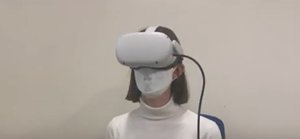
MediaLab strengthens several research assets in the field of cinema and media studies at the University of Udine. Through projects, experiments, patents and technology transfer, it enables the development of opportunities for interdisciplinary academic cooperation and collaboration with professionals in the media and audiovisual industry. In particular, thanks to experimentation with new technological frontiers for audiovisual production and post-production by applying artificial intelligence and virtual production. And by applying digital methods and technologies to preserve, restore and enhance the audiovisual and media heritage in collaboration with major Italian and European archival institutions.
The laboratory tour
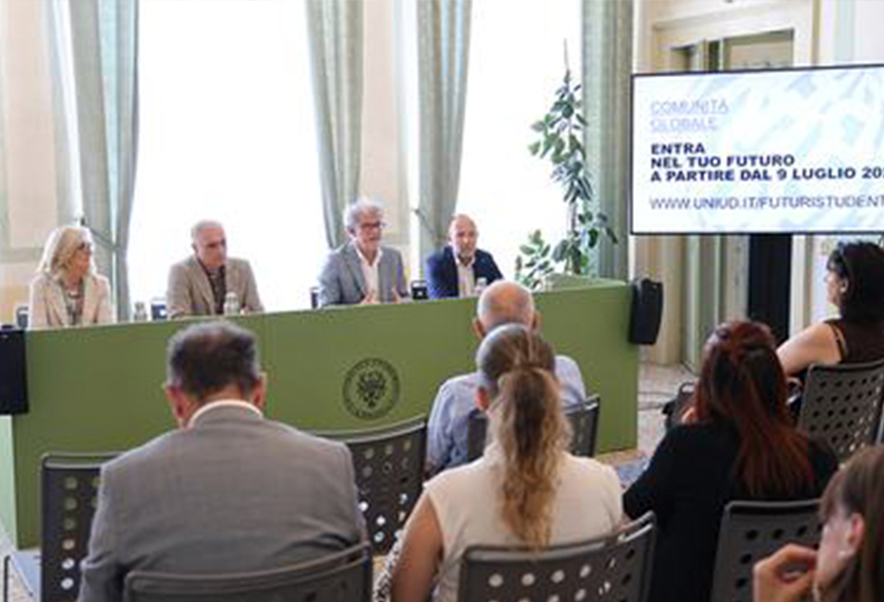
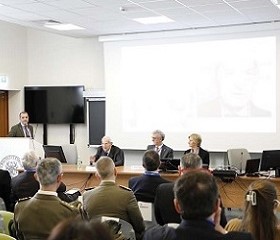
The MediaLab tour began with the virtual set designed by Giacomo Vidoni, with installations created by Letizia Monda’s students from DAMS. Simone Dotto then illustrated the research and training initiatives on virtual production and artificial intelligence. The cinema room was presented by Andrea Mariani and Gianandrea Sasso, guides for the “colour restoration” presentations. Cosetta Saba and Simone Venturini led guests through the “Camera Ottica” (Optical Camera) space, the historic laboratory dedicated to the audiovisual heritage of the Cinema group, a leader in the restoration of small formats.
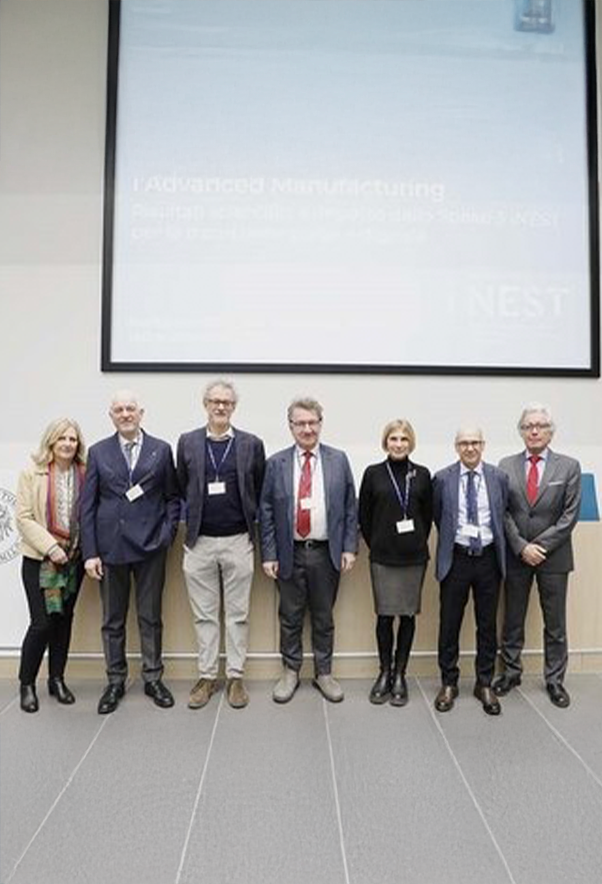
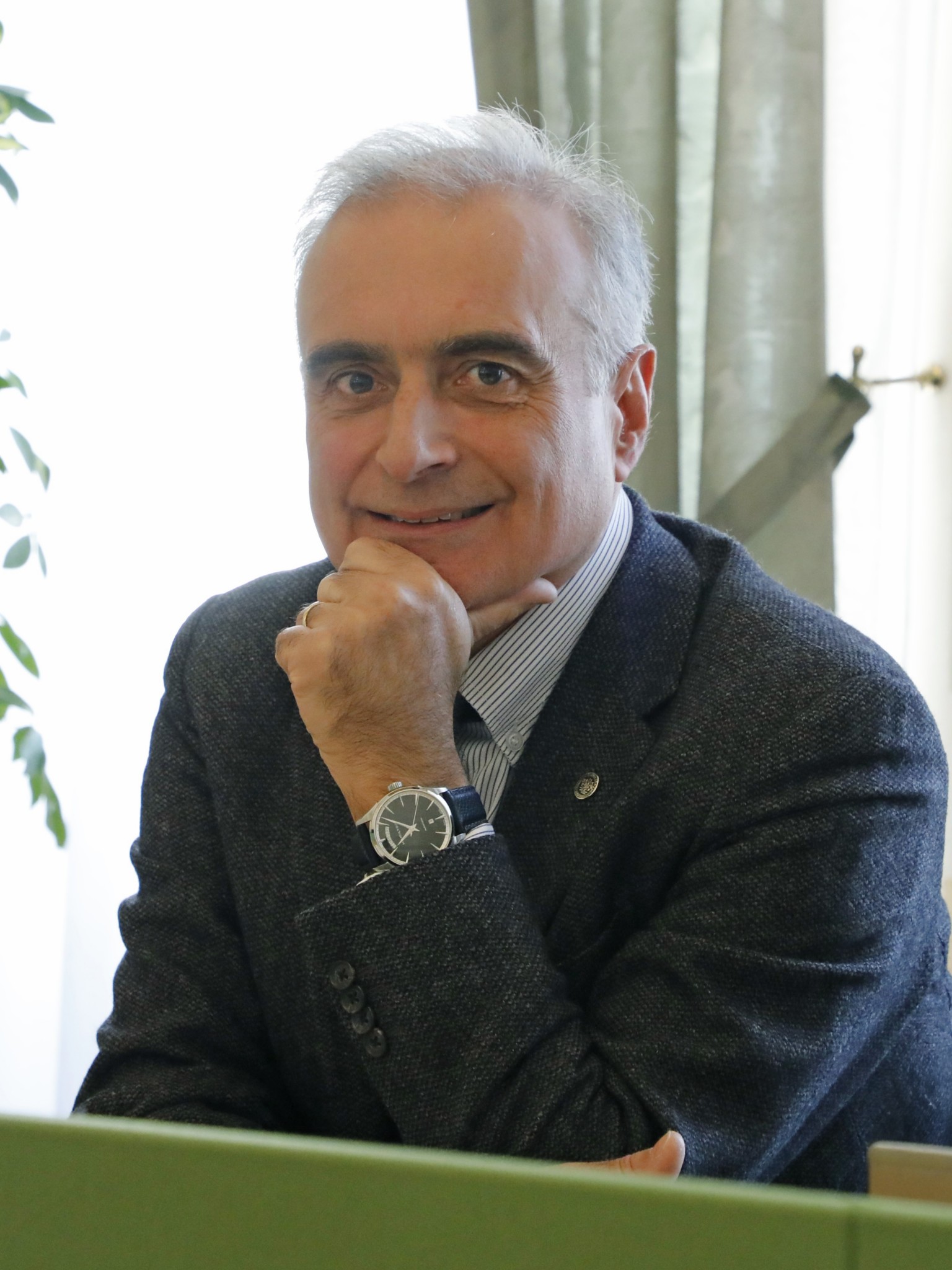
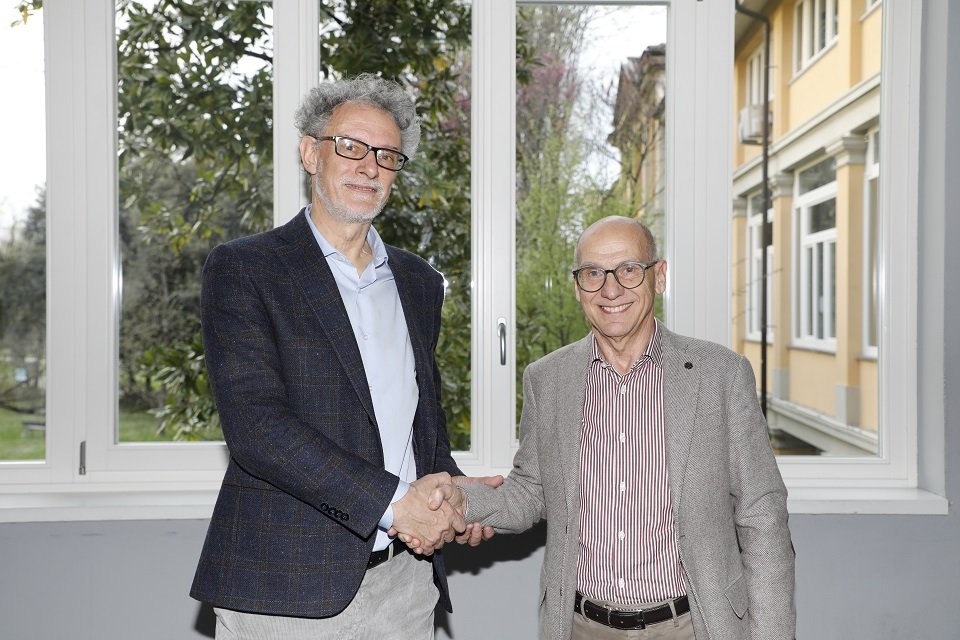
“We are proud to inaugurate MediaLab,” said Rector Angelo Montanari, “located, not by chance, within Uniud Lab Village, our university’s advanced research hub. This infrastructure was created as a reference point for cutting-edge training and research in the field of audiovisual and media, in a context where universities, local communities, and businesses collaborate to innovate. With MediaLab, we are further expanding this space for shared growth by creating a place for meeting and discussion between training needs, advanced research, creative forces, and entrepreneurial demands.”
For Linda Borean, director of the Department of Humanities and Cultural Heritage, “with MediaLab, we are achieving one of the central objectives of the department’s 2023–2027 excellence project. Its creation is part of a strategy that integrates humanities skills, technological innovation, and applied research. This infrastructure reinforces the model of cultural enhancement promoted by the department, strengthening dialogue with the local area and our international projection, without ever losing sight of the importance of teaching that remains constantly innovative and of high quality,” Borean concluded.
“We are delighted to be here with Fabrizio Micarelli representing the Luce Historical Archive,” said Patrizia Cacciani, “and to convey the greetings of director Enrico Bufalini. We consider the inauguration of the MediaLab at the University of Udine to be the culmination of a journey that has seen us happily involved in many projects over the years. The creation of a complete chain for the preservation, restoration, and enhancement of audiovisual heritage can only see us making our heritage and expertise available.”
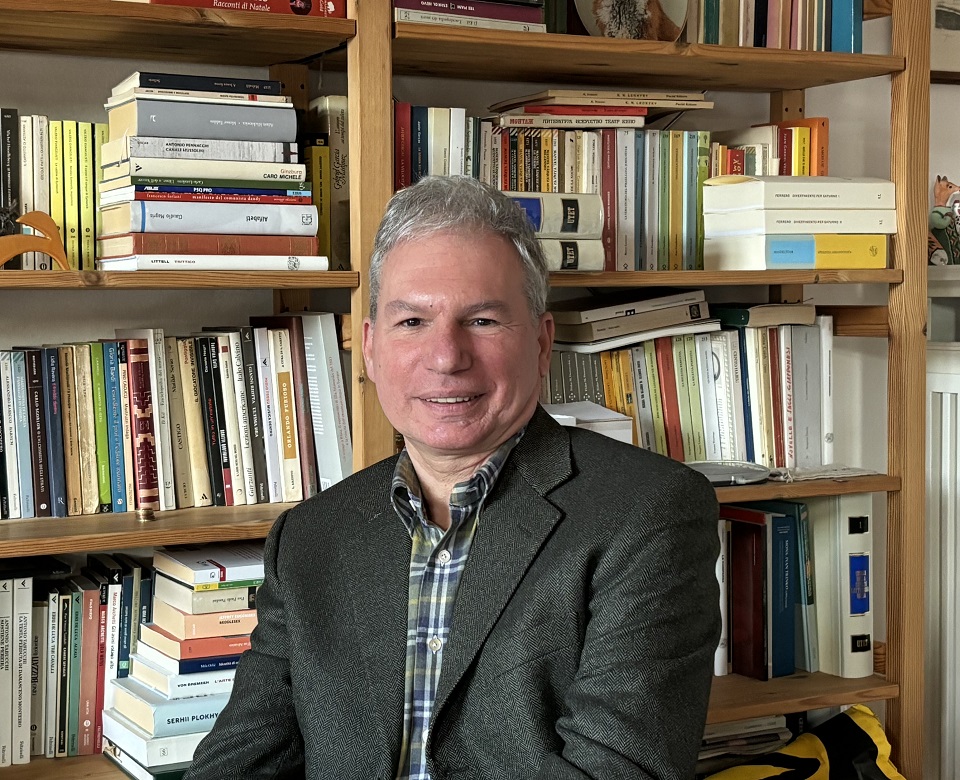
For the laboratory’s scientific director, Mariapia Comand, “with MediaLab, the Cinema and Media Group at the University of Udine is strengthening its vocation and long tradition in the enhancement of audiovisual heritage, while opening up new avenues for research and teaching. Thanks to MediaLab, students of DAMS and the master’s degree in Audiovisual Heritage and Media Education will be able to train in all aspects of multimedia, from conception to design, from curation to the curation of audiovisual content. MediaLab is a space designed to support creativity, promote advanced skills, and accompany new generations in building a solid and informed professional future, in dialogue with the local area and the international context.
The MediaLab, as highlighted by Guido Nassimbeni, Vice President of Fondazione Friuli, “is a unique humanities laboratory, one of only a few in Italy. It is extraordinarily well equipped technologically and in step with the audiovisual industry, a flagship of the University of Udine’s Lab Village. The Fondazione Friuli strongly believes in this new research and experimentation center where students, teachers, professionals, and audiovisual companies can interact with each other, creating virtuous synergies between the territory and the University of Friuli, which are of fundamental importance for productive realities in the sector,” concluded Nassimbeni.
“The MediaLab represents a strategic investment in the future of our community,” said Federico Pirone, “because it combines advanced training, research excellence, and technological innovation in a sector, that of audiovisual and digital media, which is now central to the cultural and economic growth of the region. The University of Udine has once again confirmed its ability to be a driving force for knowledge and sustainable development, attracting skills, energy, and resources. As a municipal administration, we strongly believe in the synergies that can be generated at the local level between the University, institutions, and the productive world, because they strengthen Friuli’s role as a region of knowledge, creativity, and opportunities for the younger generations.”
For Roberto Pinton, “the inauguration of MediaLab is the culmination of a virtuous project that looks to the future because it focuses on laboratory teaching, experimentation, interdisciplinary research and, as can be seen from the prestigious partnerships, on a constructive and forward-looking relationship with regional and national bodies and institutions. It is an extraordinary ‘multimedia gym’ equipped with cutting-edge technology in the field of audiovisual and digital media, made available to our students and researchers.”
The nine operational areas
The MediaLab has nine work environments. The “Studio” is a soundstage for virtual productions, but also a multifunctional space for events, seminars, performances, and installations. The “Audiovisual Archiving and Film and Media Technologies” space is divided into two areas. One is for audiovisual archiving, which preserves the film and video collections of the “La Camera ottica” laboratory. More than 1,000 titles are preserved on period materials: silent films from the early days to the 1920s; sound films, documentaries, and animations from the 1930s and 1940s; international feature films from the 1950s to the 1980s; experimental, amateur, scientific-educational, and family films in small format; investigative videos and video art from the 1970s and 1980s; and preservation and access copies of restored films. A second space is dedicated to cinema and audiovisual technologies and houses projectors, cameras, editing and post-production tools, stereoscopic viewers, video cameras and video recorders, and video game consoles from the 1920s to the 1990s.
The “Color grading room/Digital cinema” environment is a small cinema room for film color restoration and digital projections. The “Multimedia post-production” space is dedicated to photographic and video post-production, restoration, video games, and visual effects. The “Film, video, and media inspection and documentation” area is intended for the inspection, analysis, documentation, and technical restoration of films, videos, and media objects. It is a place for studying newly acquired materials, processing audiovisual collections, and specialized training. The “Digitization of photographs, films, media” area is reserved for the digitization of photos, films, videos, sounds, and cinema and media objects for the conversion and remediation of heritage that is becoming obsolete, for its preservation and access, and for the refinement of images for use in new film productions
The “Experimentation and design of digital, immersive, and exhibition environments” space is dedicated to the experimentation and design of digital, immersive, exhibition, installation, and educational solutions. It is a place for research in the field of digital humanities, knowledge visualization, and the museum and virtual enhancement of media heritage. “Smart media, social media, and digital platforms” is the multidisciplinary field for research, experimentation, and production of digital communication and new media. It hosts activities related to video production with smart technologies, the creation of content for social media, the production of podcasts, and the development of projects for the web and digital platforms. Equipped with the latest technologies, the space promotes the encounter between creativity and innovation, supporting students, researchers, and professionals in the field of design and the contamination of the expressive potential of digital languages. The ‘Meeting and Design’ sector is equipped with networks, printers, monitors, and facilities for calls and streaming. It also serves as a physical dashboard and first port of call for producers, curators, and artists who see the Media Lab as a hub and facility for integrated, hybrid, shared design and cooperation.