

Vascular diseases in plants pose a tangible threat to agricultural productivity and the security of food supply chains. Understanding how a pathogenic fungus enters roots, spreads through plant tissues, and disrupts the system responsible for transporting water and nutrients is the first step towards developing more effective control strategies. Tomato is a familiar example, but the problem affects many crops and agricultural regions.
An international research team investigated Fusarium oxysporum, a fungus responsible for severe vascular diseases in tomato plants, using synchrotron-based phase-contrast microtomography at Elettra’s SYRMEP beamline. This technique enabled the three-dimensional reconstruction of infected roots without physically sectioning them. This is a significant advantage, as it preserves the natural architecture of the sample and allows researchers to examine plant anatomy, pathogen growth, and damage to the vascular system simultaneously.
The images reveal fungal proliferation within the vascular cylinder and the formation of embolisms—small air-filled cavities that impede water transport within the plant. However, the most striking finding emerged from the integration of this technique with fluorescence microscopy and confocal imaging: fungal hyphae, the thin filaments that make up the fungus, can reduce their diameter by more than twentyfold to pass through extremely narrow spaces. Tissue invasion is therefore not merely a matter of chemical interactions: it is also a mechanical challenge, played out within the tiny spaces of the root.
The findings do not provide an immediate solution for protecting crops. They do, however, offer a clearer understanding of the mechanisms that need to be targeted and point to where future research should focus: the processes through which the pathogen enters plant tissues, adapts to confined spaces, and disrupts the vascular network that sustains the plant. This knowledge can help guide further studies in plant defence, plant pathology, and more resilient agricultural systems.
For the Scientific and Innovation System of Friuli Venezia Giulia, this research provides a concrete example of how a major research infrastructure can address a very down-to-earth challenge: protecting crops. Plant biologists, plant pathologists, imaging specialists, and data analysis experts bring their expertise together to investigate the same biological sample. This is how an agricultural challenge becomes a collaborative network of complementary expertise, with potential connections to agri-food supply chains, precision agriculture, and the bioeconomy.
More news
16 October 2026 | NEWS
Advanced Accelerator Control: International Exchange at TWoAFC
8 October 2026 | NEWS
“Gilberto Vlaic” XVIII School on Synchrotron Radiation

29 September 2026 | NEWS
Elettra Sincrotrone Trieste at Trieste Next 2026


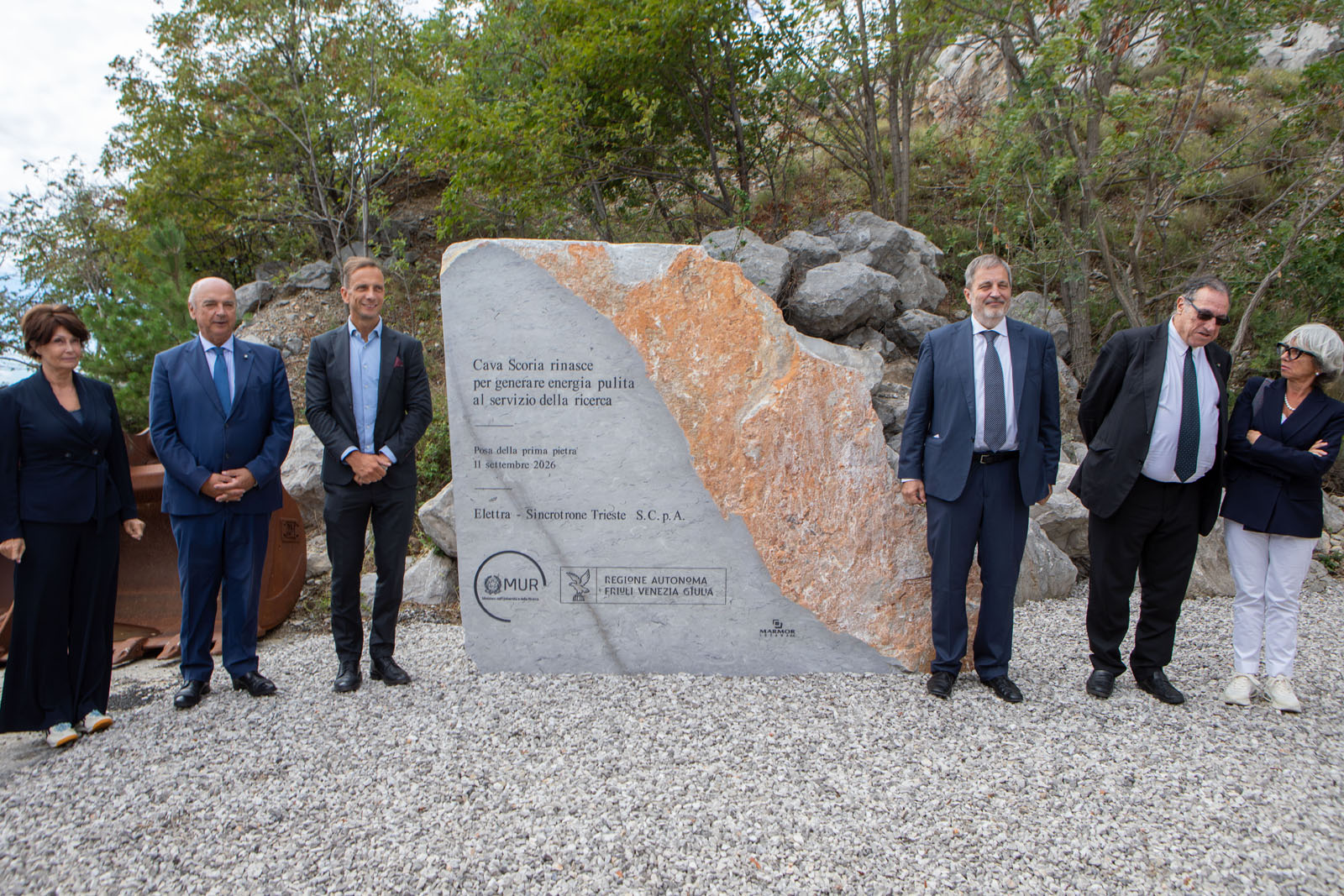
12 September 2026 | NEWS
Green Energy: Elettra lays the foundation stone for its new photovoltaic park







17 November 2025 | NEWS
4th Pulsed Power Radio Frequency Sources Workshop


22 September 2025 | NEWS
GIPE25: German and Italian Physics Students at Elettra and FERMI


27 June 2025 | NEWS
Slovenian Delegation Visits Elettra Sincrotrone Trieste


29 January 2025 | NEWS