A new study conducted by researchers from the University of Trieste, the Italian Liver Foundation (FIF), and the University of Padua, and published in the international scientific journal *Nutrients*, has investigated the effects of a high-fat, high-sugar diet on skeletal muscle during growth and maturation.
When we think about the consequences of unhealthy eating habits, we usually think of weight gain, obesity, diabetes, or fatty liver disease. However, what we eat can also affect another essential part of our body: our muscles.
Muscles do much more than enable us to move. They are essential for maintaining metabolic health, helping the body use and regulate energy, particularly blood glucose.
“This study is part of a collaborative research effort investigating the impact of a high-fat, high-sugar diet during growth from different perspectives and across different organs. In a 2024 study at the University of Trieste, we examined the morphological and functional properties of skeletal muscle,” explains Emiliana Giacomello, a University of Trieste researcher involved in the project. “We showed that the diet affected the muscles of male and female mice differently. In this new study, we analysed gene expression in muscle tissue, and the results suggest that molecular responses to the diet differ between sexes and depend on the stage of maturation.”
What did the researchers discover?
Using mice as a model, the researchers examined how a high-fat, high-sugar diet affected gene activity in muscle tissue at different stages of development.
The findings revealed an interesting pattern: muscles do not respond to unhealthy diets in the same way at every age, and males and females show different response patterns.
In female mice, changes in gene activity were more pronounced after a relatively short period of exposure to the unhealthy diet. These changes were mainly associated with processes involved in muscle structure and tissue organisation.
In male mice, the initial response was less pronounced, while more extensive changes emerged after prolonged exposure. These involved genes associated with energy metabolism, fat utilisation, and muscle structure.
Importantly, the study also showed that normal growth and maturation have a profound influence on muscle biology. This means that the effects of diet must be interpreted in the context of the organism’s stage of development.
Why does this matter?
Childhood and adolescence are crucial periods during which organs and tissues are still developing.
The findings suggest that diets rich in fat and sugar may influence muscle biology from the earliest stages of life, although the effects may vary according to biological sex and developmental stage.
These observations are particularly relevant because skeletal muscles are closely connected to the health of other organs, including the liver, and play an essential role in blood glucose regulation and overall metabolism.
Although the research was conducted in mice and further studies are needed to understand its implications for humans, the findings provide valuable insights into how nutrition may interact with the biological processes that accompany growth.
A message for families: prevention starts early
Good nutrition is not just about maintaining a healthy body weight. It also helps support the development and proper functioning of the entire body.
Encouraging a balanced diet and regular physical activity from an early age can help lay the foundations for good long-term metabolic health.
Scientific publication
Giacomello E, Giraudi PJ, Rosso N, Gazzin S, Tiribelli C, Toniolo L. *Skeletal Muscle Transcriptomic Responses to a High-Fat, High-Sugar Diet Across Sex and Maturation in Mice.* Nutrients. 2026; 18(20):3354.
Read the scientific article: https://doi.org/10.3390/nu18203354
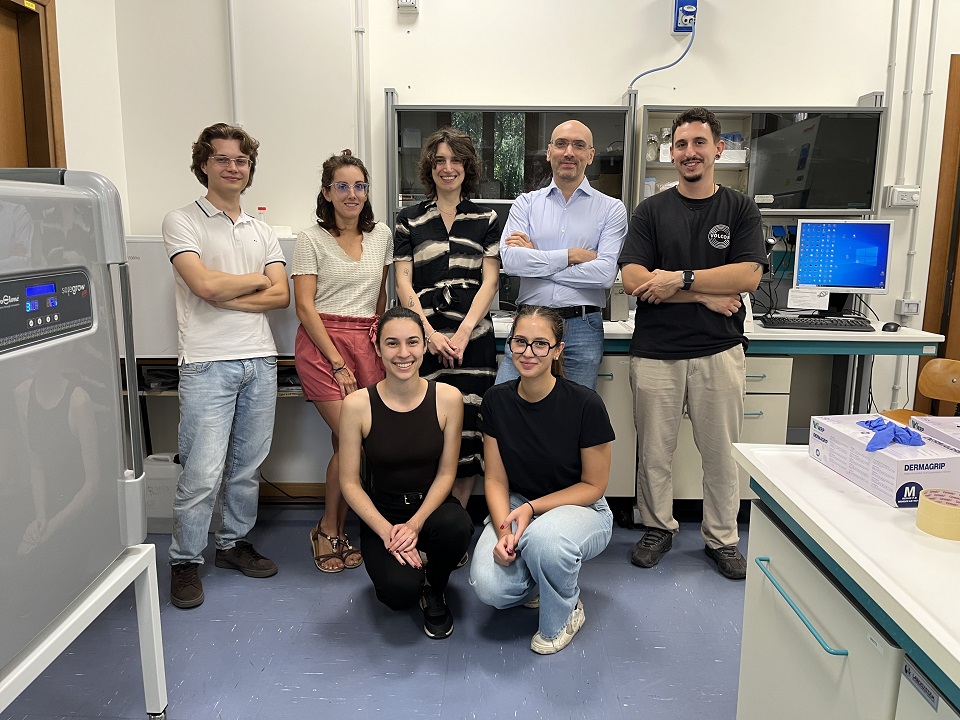
Photo: Seated: Emiliana Giacomello and Pablo Giraudi. Standing: Claudio Tiribelli, Luana Toniolo, Natalia Rosso, and Silvia Gazzin.
More news