The experimental phase of the SANDA project is nearing completion
The SANDA project, developed as part of the Booster for Life Science FVG programme, is nearing completion after more than a year of experimental research focused on developing new antibodies targeting markers associated with drug resistance in cancer.
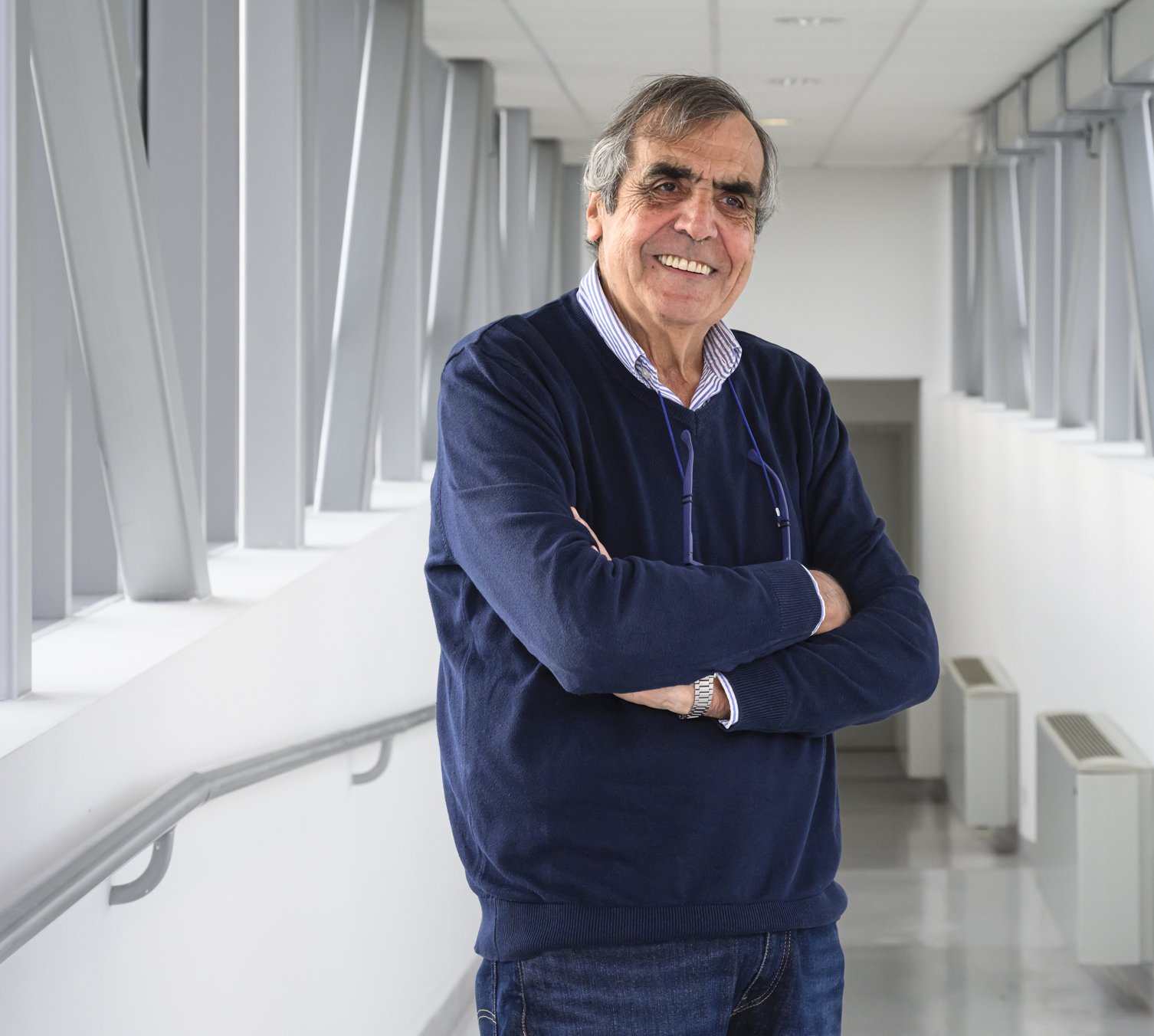
“Antibodies are now essential tools in oncology,” explains Devis Pascut, Senior Scientist at the Italian Liver Foundation (FIF), which is participating in the project. “In pathology laboratories, suitably labelled antibodies are used to detect specific molecules in tumour tissues and help characterise the disease. In other contexts, antibodies themselves can become drugs and be used therapeutically. In the SANDA project,” Pascut emphasises, “the Italian Liver Foundation has focused on the first of these two areas, developing two antibodies intended to support research into the classification of patients with liver cancer.”
Not all tumours are biologically alike, even when they affect the same organ. Some may grow more rapidly, others may behave more aggressively and, above all, they do not all respond to treatment in the same way. One of the major challenges in cancer research is therefore to identify these differences before or during treatment.
“Studying specific markers present in tumour tissue,” says Devis Pascut, “can provide information about the behaviour of the disease and, in the future, help identify patients who are more or less likely to respond to particular treatments. The antibodies developed through the SANDA project fit into this context: they are tools designed to detect specific markers in tumour tissue that are associated with drug-resistance mechanisms.”
It is important to emphasise that the results obtained so far represent an experimental stage in the research process. The antibodies developed are not currently available as a diagnostic test for patients, nor are they products ready for the market.
The conclusion of the SANDA project represents, instead, a step towards the subsequent validation stages. These will require further studies, larger patient cohorts and several more years of development before it can be determined whether these tools may eventually find applications in clinical practice.
More news