Potential future applications in the treatment of genetic diseases and in regenerative medicine
To develop a technology for transferring, modifying, and replacing entire chromosomes in “diseased” cells, with potential future applications in the treatment of genetic diseases and regenerative medicine. This is the goal of a five-year research project led by the University of Udine and funded with €1,272,000 by the Italian Ministry of University and Research (MUR) through the Italian Science Fund (FIS). The project is part of the Genome Engineering and Biotechnology Laboratory, which also receives support from the Italian Liver Foundation (Fondazione Italiana Fegato – ETS).
The Research
In the long term, the aim is to use healthy, engineered chromosomes to generate therapeutic cells. In other words, cells in which different, rare, or highly complex genetic defects could be corrected by intervening at the level of an entire chromosome, rather than addressing each individual mutation separately. The project aims to determine to what extent this approach could become technically feasible and safe, paving the way for “universal cell therapies”.
Looking ahead, the project seeks to develop and validate technologies for replacing entire chromosomes between human cells with clinical and translational relevance. Current gene-editing techniques can modify individual genes or relatively small regions of DNA with great precision, and some of these approaches have already reached clinical practice. However, many genetic diseases and biological problems involve very large genomic regions, multiple genes simultaneously, or entire chromosomes. In addition, developing dedicated therapies can be particularly challenging for diseases caused by very rare mutations.
Future Developments
These technologies could become new tools for building innovative cellular models and studying large-scale genomic alterations, including those involved in cancer development and certain processes associated with ageing. More broadly, they could help us better understand chromosome function and how cells interpret, organise, and regulate large amounts of genetic information.
The Scientific Context
Much of current genetic engineering still operates on a relatively small scale compared with the size of the human genome. Learning to manipulate structures as large as entire chromosomes in a controlled manner would represent a major shift in the scale at which we can design and modify a genome, ultimately improving our ability to understand and predict its behaviour.
Benefits for the University
The project will also help establish and strengthen a strategic research programme in genomic engineering and synthetic biology at the University of Udine. It will provide training opportunities for new researchers in this field, with potential benefits in technology transfer and the creation of start-ups.
The Research Team
Project led by the Department of Medicine and coordinated by Gianluca Petris
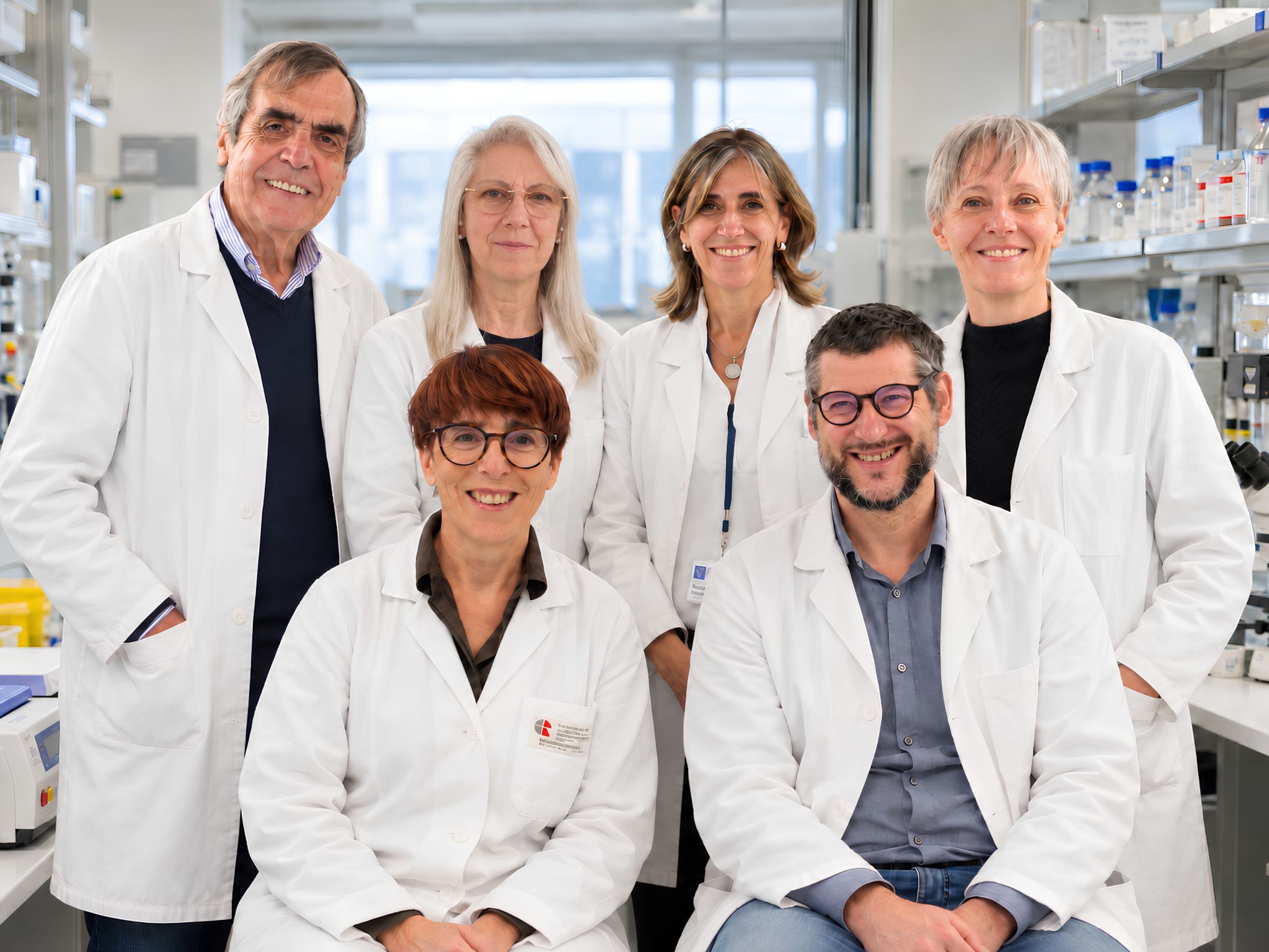
Coordinated by Gianluca Petris, the project is being carried out at the Genome Engineering and Biotechnology Laboratory within the Department of Medicine, in collaboration with important national and international partners.
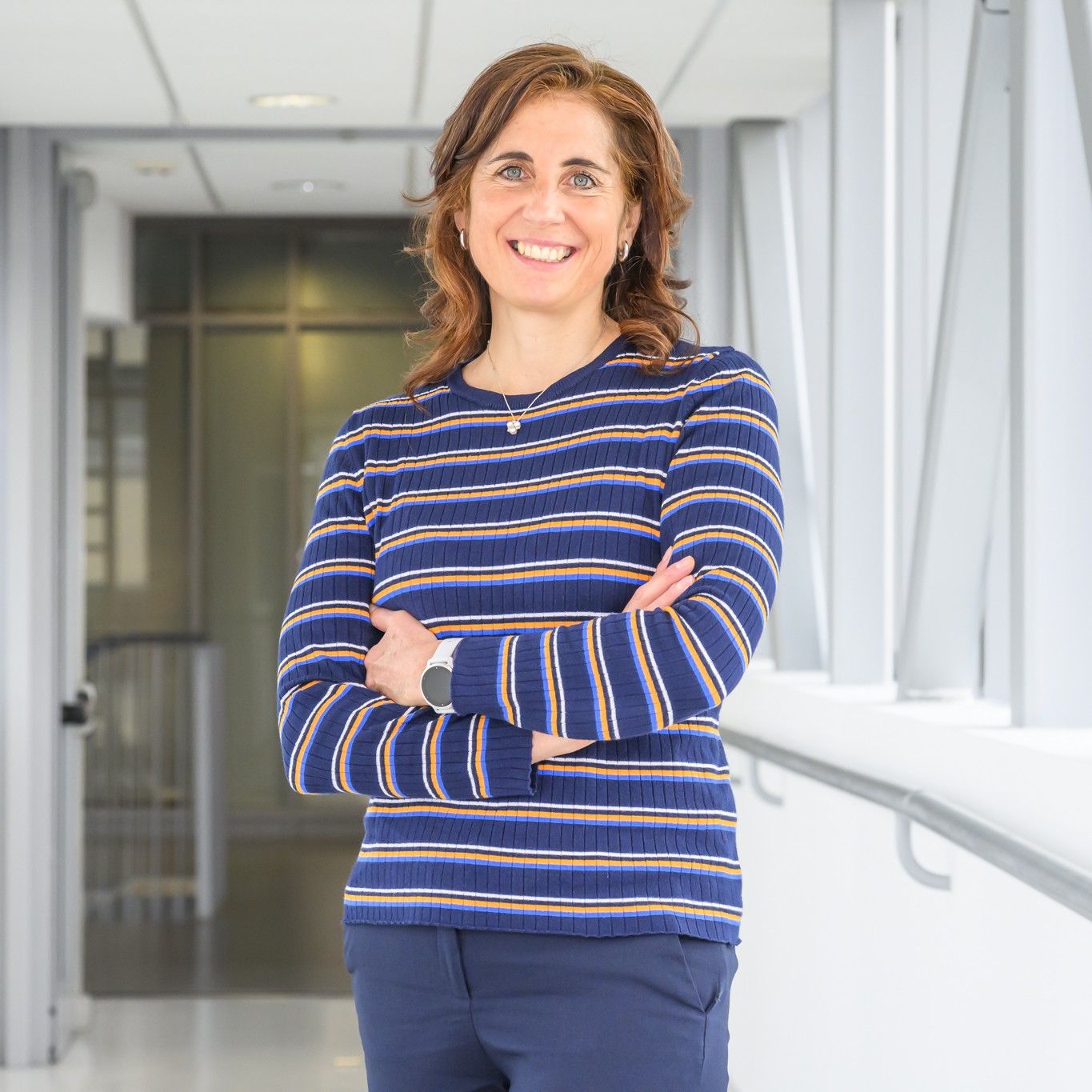
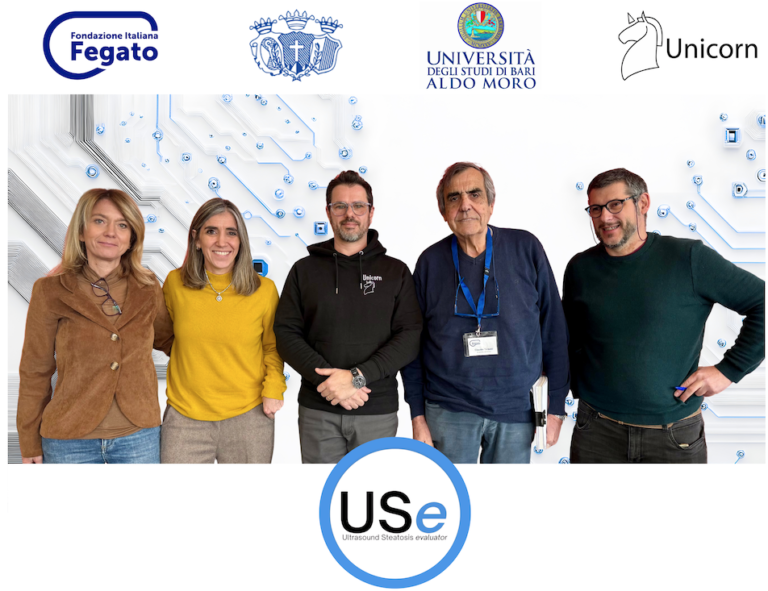
Petris leads a research team comprising Francesca Agostini, Veronica Boem, Letizia Pugnetti, Miriam Saponaro, and Luca Scanferla.
The project is entitled *“Developing Chromosome Transplant Technologies towards Universal Cell Therapies”* (*Sviluppo di tecnologie di trapianto cromosomico verso terapie cellulari universali*).
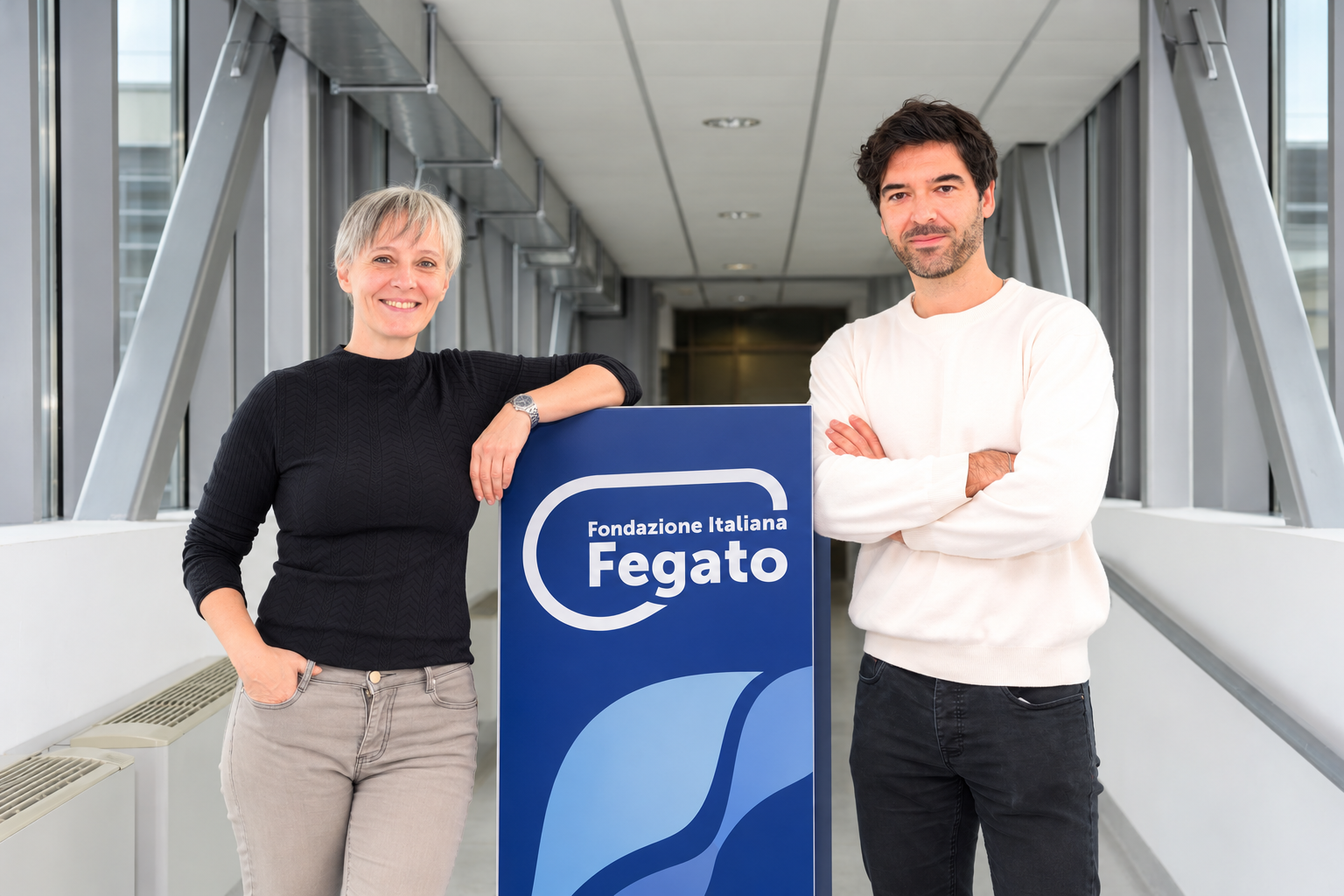
The laboratory’s research is also supported by the Italian Liver Foundation (Fondazione Italiana Fegato – ETS). Researchers from the group have published a paper in the international genetics journal *Trends in Genetics* exploring developments and future perspectives in chromosome-scale genome engineering.
[Read the article in Trends in Genetics
“Genome-editing technologies have transformed our ability to modify DNA, but they still work primarily at the level of individual genes or relatively small regions,” explains Professor Gianluca Petris, Associate Professor of Biochemistry. “With this project, we aim to take a major step forward in scale and achieve the accurate transfer, modification, and replacement of entire chromosomes, including in cells of clinical relevance, for potential future cell therapies. This is fundamental research, and the path towards possible therapeutic applications is still long. However, the ability to intervene at this scale could open up possibilities that are simply beyond the reach of currently available technologies.”
More news