The collaboration between Fondazione Italiana Fegato and Unicorn Apulia has officially launched USeBio, a project selected as a winner of the Ideas4Innovation Call by the Life Sciences Cluster, promoted by the Autonomous Region of Friuli Venezia Giulia, with the aim of developing an innovative approach for the non-invasive quantification of hepatic steatosis (fat accumulation in the liver) through the use of artificial intelligence.
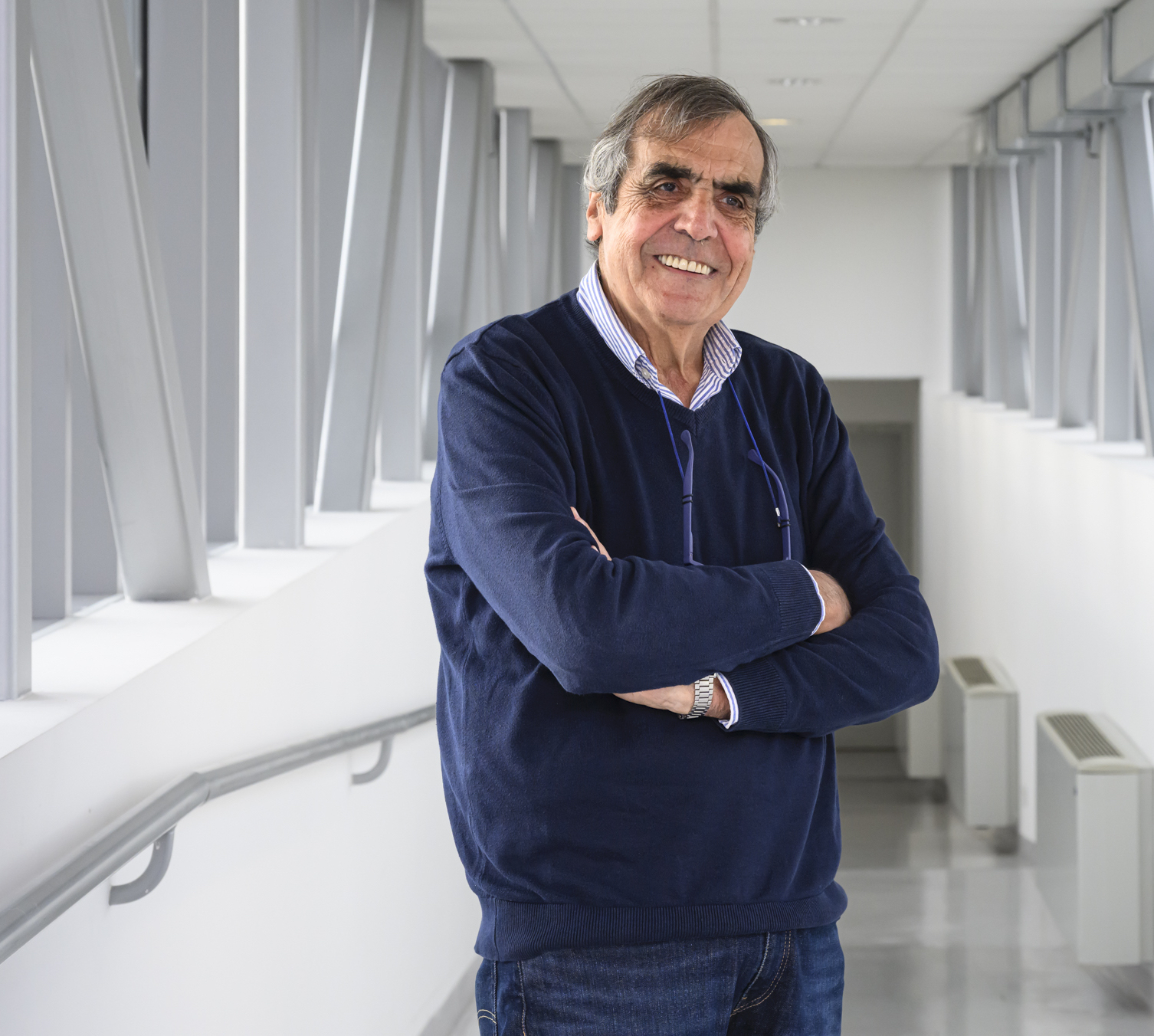
The project stems from the collaboration between Fondazione Italiana Fegato, with Dr. Natalia Rosso as scientific lead, and Unicorn Apulia, represented by Eng. Sergio Santoro, bringing together clinical and IT expertise within a strategic partnership focused on innovation and technology transfer. The technological solution underpinning the project will leverage the patent developed by the University of Bari Aldo Moro and Santoro, originating from collaboration with Prof. Portincasa’s research group at the University of Bari Aldo Moro and within the “A. Murri” clinic at the Bari Polyclinic.
USeBio aims to develop and improve a new analysis method capable of estimating the degree of steatosis more accurately during ultrasound examinations, offering concrete prospects for enhancing diagnostic processes and the clinical assessment of a condition that is steadily increasing worldwide.
Fondazione Italiana Fegato’s experience in the field of hepatology finds a natural synergy with Unicorn Apulia’s expertise in information technology and technological development. This multidisciplinary integration represents a key element in the creation of advanced solutions with the potential to open new perspectives in the diagnosis and monitoring of hepatic steatosis.
The USeBio project fits into a context of growing attention to precision medicine and the application of artificial intelligence in healthcare, with the ambition of contributing to the development of more effective, faster, and more accessible tools for the assessment of liver diseases.
More news