“Thanks to the support of Fondazione CRTrieste, the project led by Fondazione Italiana Fegato ETS aims to identify new molecular biomarkers associated with drug resistance, opening up new perspectives for increasingly personalised medicine”
Understanding why some tumours develop resistance to treatment and identifying new molecular markers that could help improve therapeutic strategies in the future: this is the aim of the MIRA-HCC project – Integrated Markers of Therapeutic Response in Hepatocellular Carcinoma – carried out by the Fondazione Italiana Fegato (FIF) ETS, thanks to the support of Fondazione CRTrieste. The project focuses on investigating the molecular mechanisms underlying treatment resistance and identifying new biomarkers.
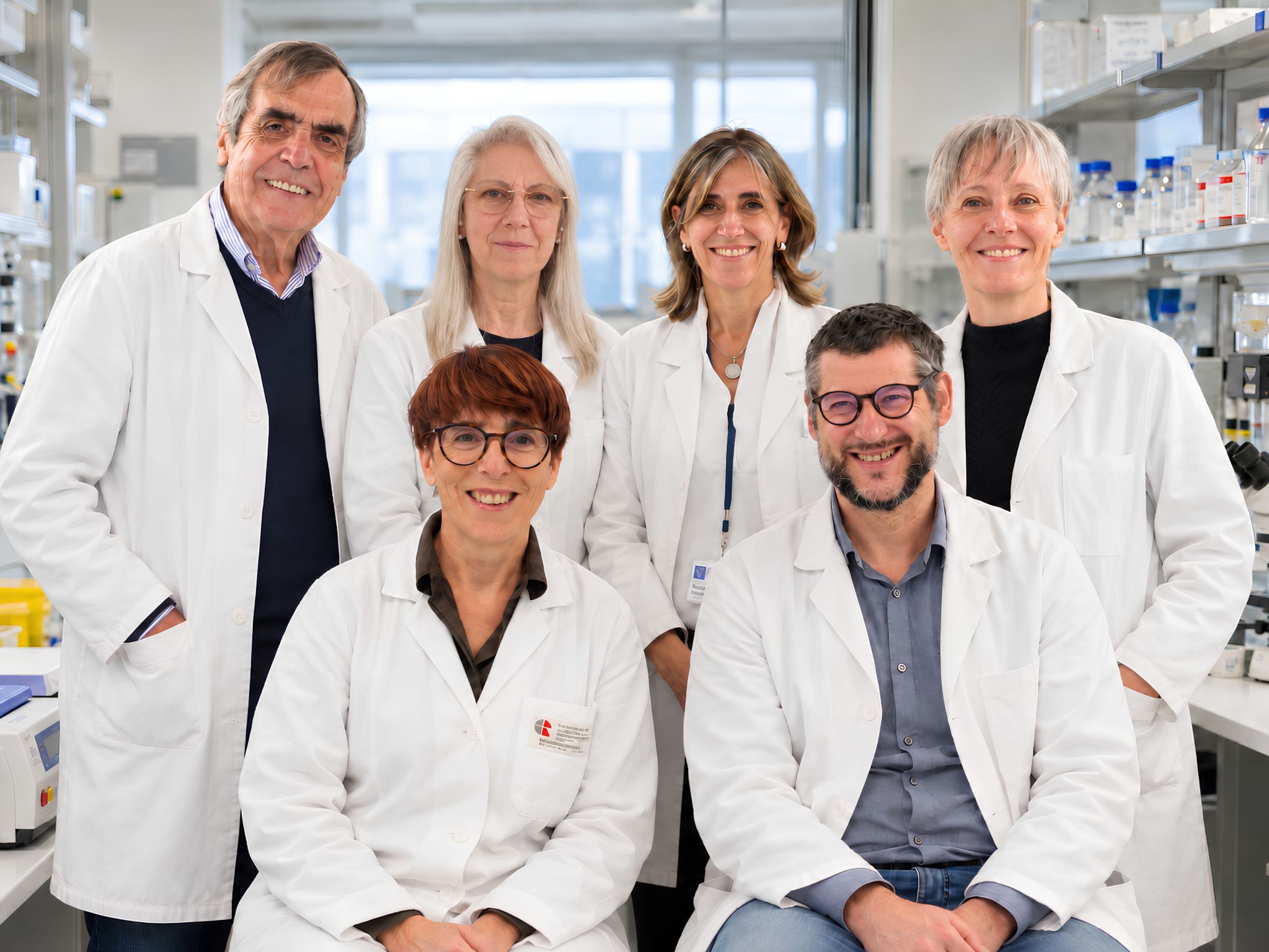
The 12-month project, scheduled to start in early January 2027, will be carried out at the Fondazione Italiana Fegato, based at AREA Science Park in Trieste, drawing on the scientific expertise available in the region in the fields of molecular biology, oncology and translational research.
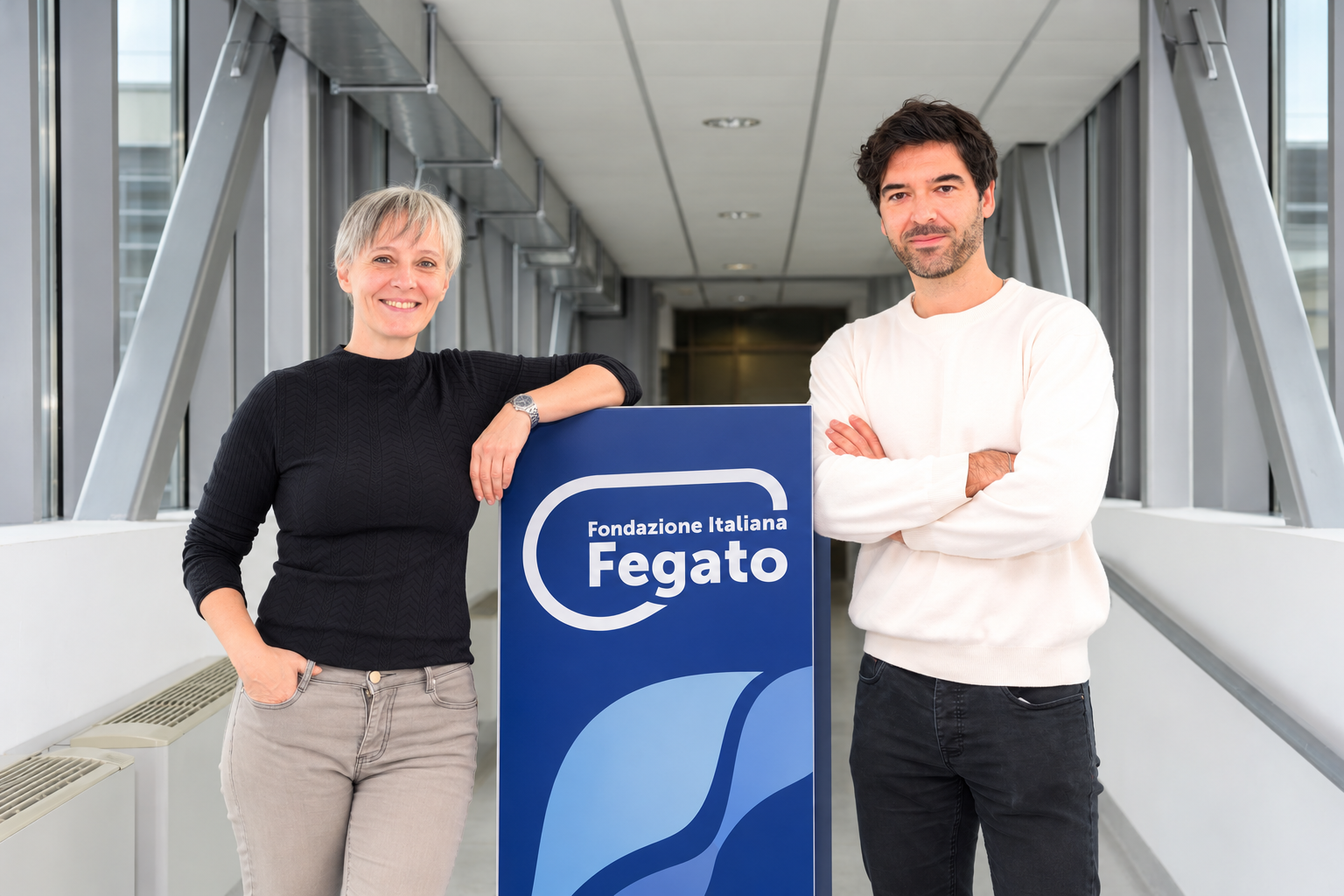
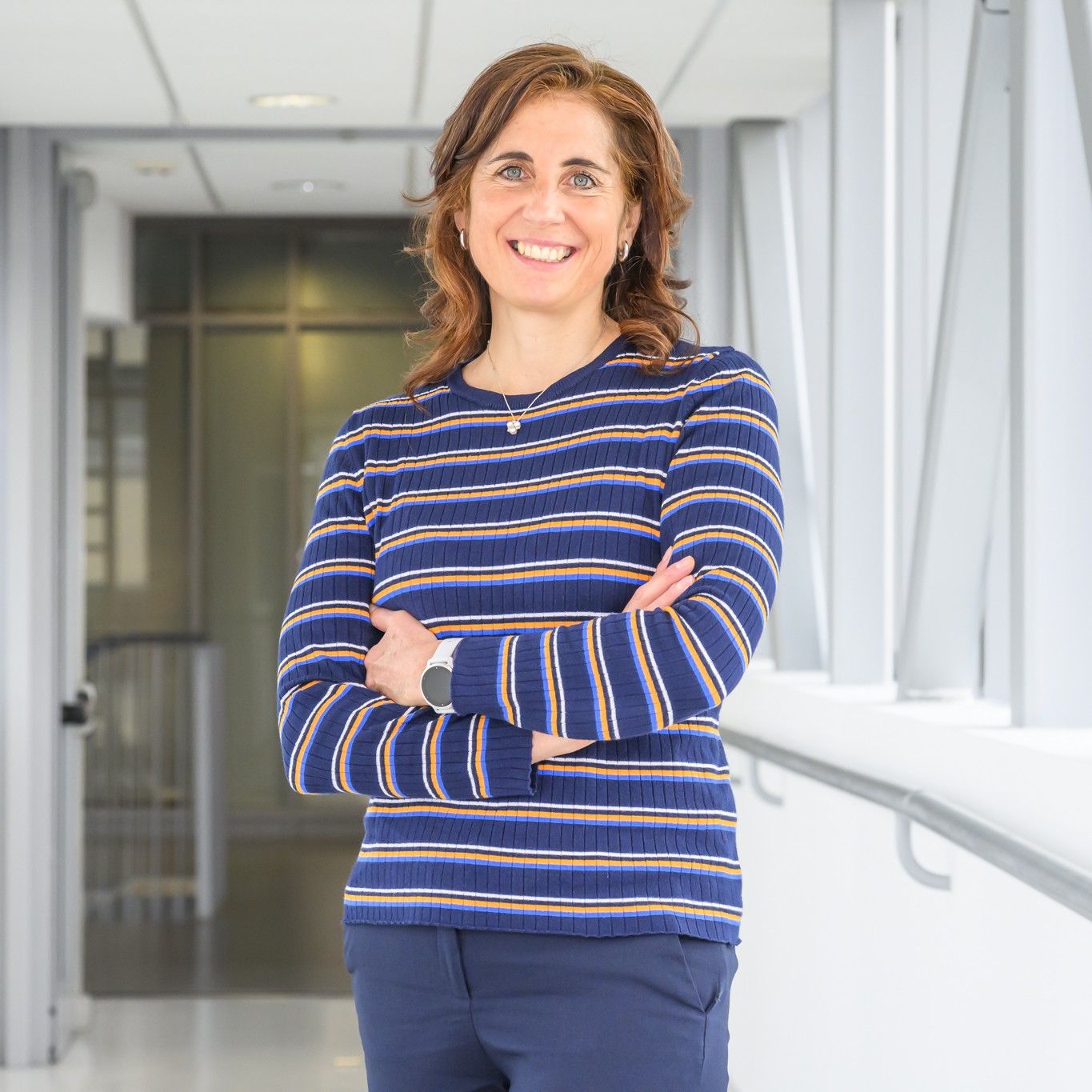
“Liver cancer represents a major public health challenge, both in Italy and in the Friuli Venezia Giulia region,” explains Caecilia Sukowati, Senior Scientist at FIF and project leader. “Hepatocellular carcinoma (HCC), the most common form of primary liver cancer, mainly develops in people with chronic liver diseases, including viral hepatitis, cirrhosis and metabolic disorders. Late diagnosis and the difficulties involved in treating advanced stages of the disease contribute to its still poor prognosis. Despite the therapeutic advances made in recent years, many patients do not respond adequately to available treatments or develop resistance during therapy, leading to disease progression. This highlights the urgent need to identify biomarkers capable of predicting drug response, which could help guide future treatment decisions, reduce the use of potentially ineffective therapies and improve patient management.”
The MIRA-HCC project addresses this challenge through a translational research approach combining bioinformatics analyses with experimental studies using liver cancer cell models that are either sensitive or resistant to drugs, with the prospect of subsequently extending the validation of the findings to human biological samples.
“Researchers will investigate the molecular alterations associated with treatment resistance, focusing particularly on the mechanisms that enable cancer cells to survive and adapt to therapies,” explains Caecilia Sukowati. “Through functional studies, the project will also explore the role of specific genes and biological processes in drug response, with the aim of identifying the factors contributing to the loss of therapeutic sensitivity.”
The goal is to identify potential molecular biomarkers which, once properly validated, could help predict treatment response, identify patients who are more likely to benefit from specific therapies and suggest new therapeutic targets. In this context, MIRA-HCC aims to lay the scientific foundations for the development of precision medicine approaches that take into account the molecular characteristics of each tumour.
Drug resistance is not only an obstacle to treatment effectiveness, but also a challenge for the sustainability of healthcare systems. When a therapy proves ineffective, patients may need to undergo additional monitoring, diagnostic tests and changes to their treatment pathway, with consequences for their quality of life and increased demands on healthcare resources.
“Being able to identify at an early stage patients who may not respond to certain treatments would therefore represent an important step towards more targeted and efficient clinical management, helping to limit the use of potentially ineffective therapies and optimise treatment strategies,” emphasises Claudio Tiribelli, President of the Fondazione Italiana Fegato. “MIRA-HCC aims to contribute to this process by generating new knowledge about the biological mechanisms of resistance and laying the groundwork for the future development of tools that can support personalised medicine.”
More news