15 September 2026 | NEWS


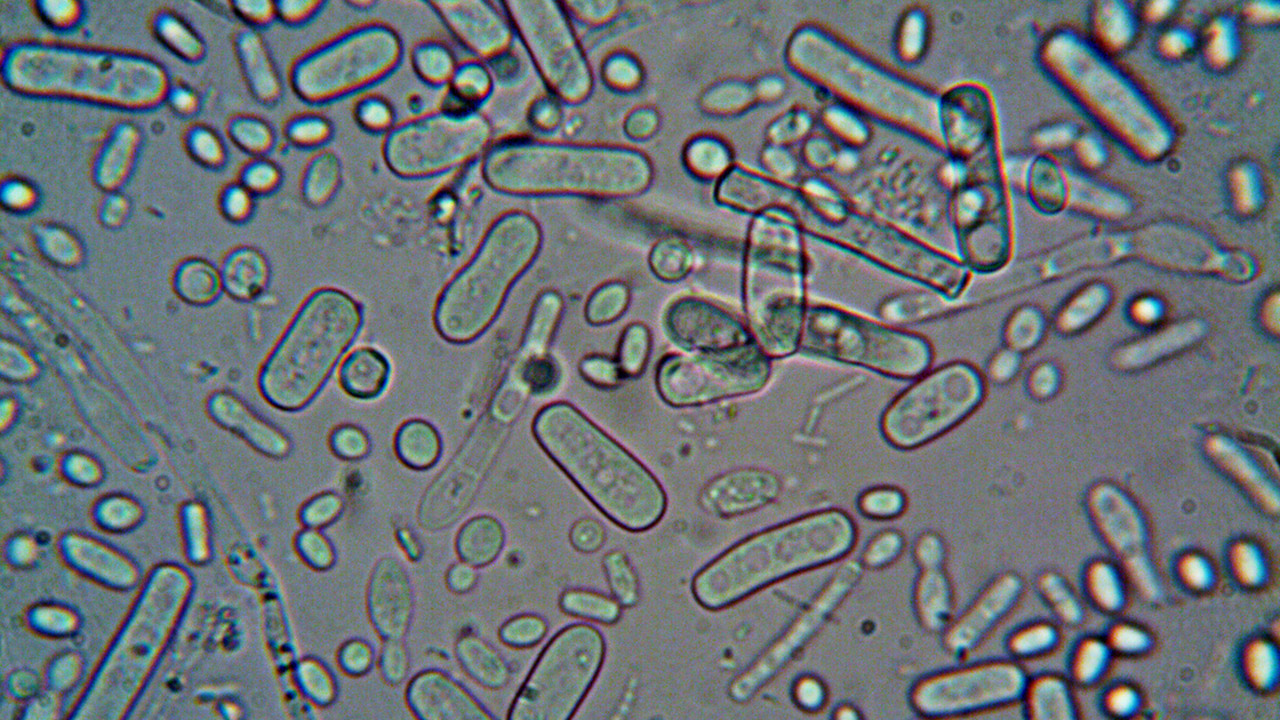
All organisms need to find ways to survive in changing environments, which at times can become hostile: extreme temperatures, food scarcity, low oxygen and high radiation can make life very difficult. While hibernation is prevalent among animals, several types of bacteria rely on their capacity to turn into spores—sturdy structures that survive extremely unfavorable conditions. Spores are among the most abundant cell types on Earth and they have existed for billions of years. Despite their protective role, however, spores come at an energetic cost for cells. Scientists are curious to understand how the economics of spore production has played a role in their evolution.
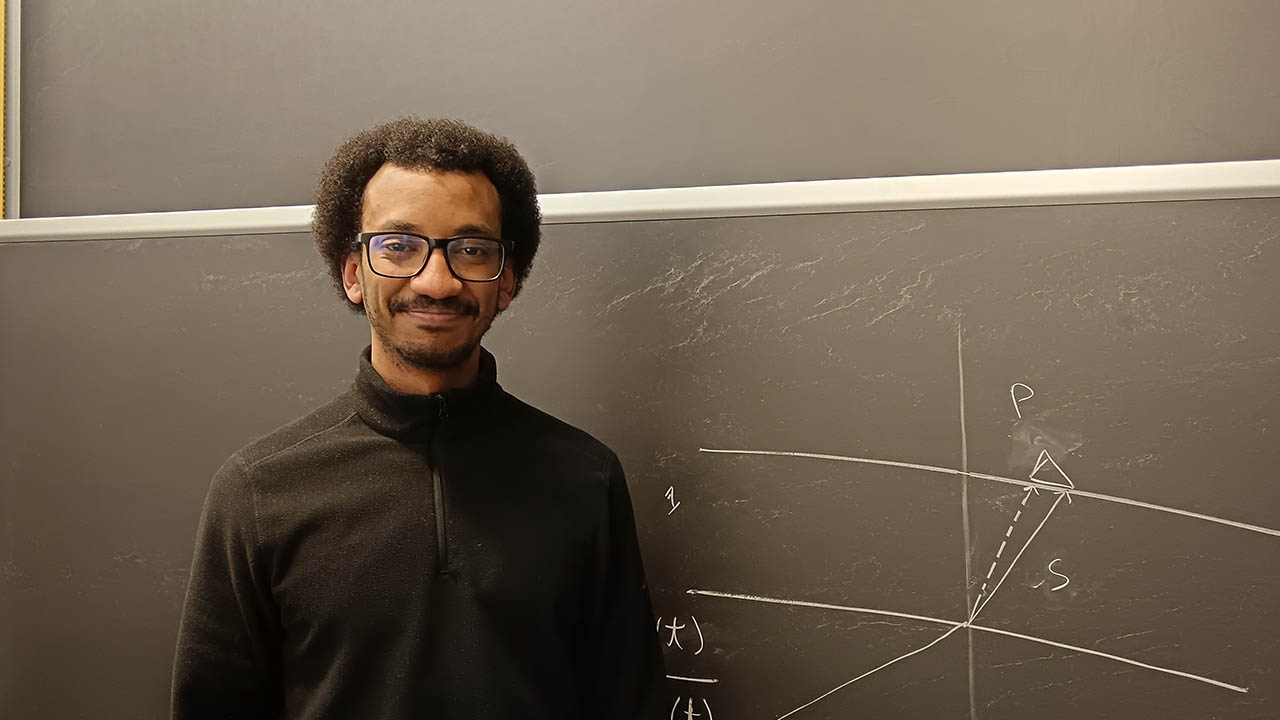
To answer this question, William Shoemaker, a postdoctoral researcher in ICTP’s Quantitative Life Sciences section, teamed up with researchers at Indiana University, in the United States, to study the energetics of spore formation in bacilli—a group of bacteria that scientists use as model organisms to understand how life survives in extreme environments. Their study shows that energetic factors can explain the behaviour of bacterial populations in unfavorable environments, and provides a possible explanation of why spore formation has survived for billions of years in certain strains and was lost in others. Their results reveal key forces at play in the evolution of this essential survival mechanism. The findings were recently published in the Proceedings of the National Academy of Sciences (PNAS).