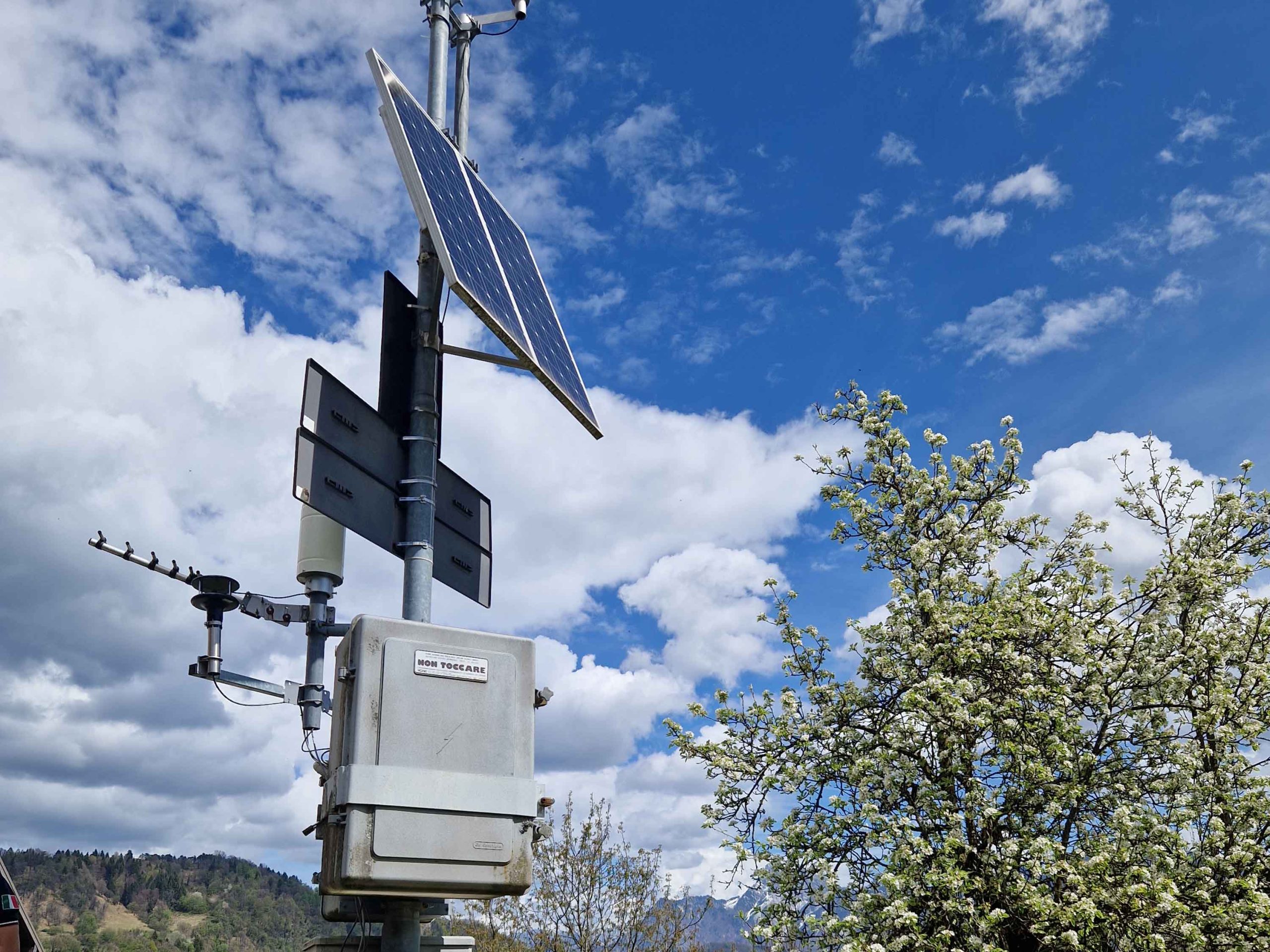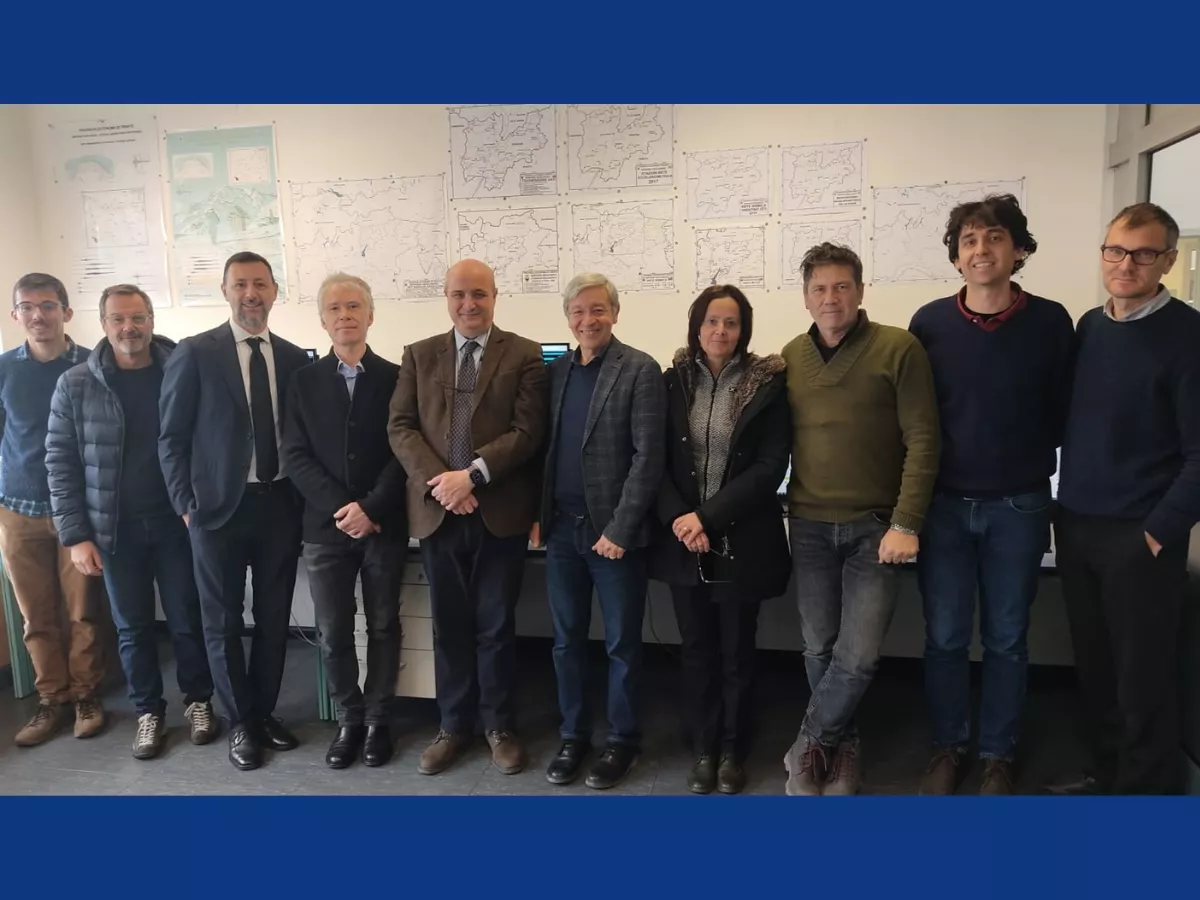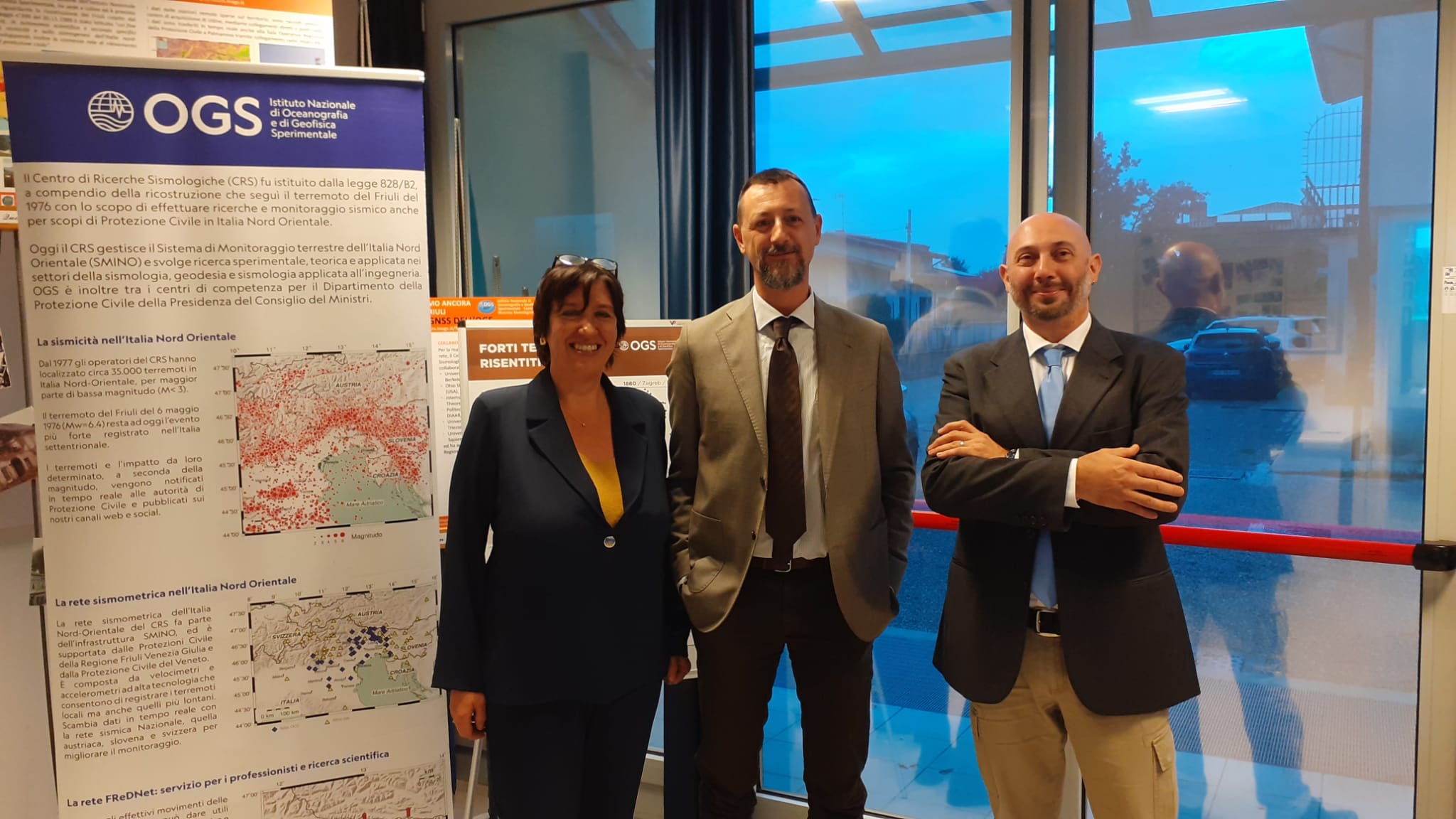
On May 6, 1976, the earthquake changed Friuli forever, as well as the way seismic phenomena are observed, studied, and managed in Italy. Following that event, within just one year, the first network for the systematic detection of regional seismic activity was installed. Since then, half a century of technological and scientific development has led to the creation of one of the most advanced seismic monitoring infrastructures in Europe.
To recount this journey, on Thursday, April 16, the National Institute of Oceanography and Applied Geophysics – OGS, in collaboration with the Municipality of Udine and the Civil Protection of Friuli Venezia Giulia, with the patronage of the Order of Geologists of the FVG Region and the Order of Engineers of the Province of Udine, is organizing a public event in Udine on scientific advances in understanding and monitoring regional seismicity: “1976–2026: fifty years of monitoring and research on the seismicity of Friuli Venezia Giulia.”
More news
L’Ambasciatore della Repubblica di Malta in Italia in visita all'OGS
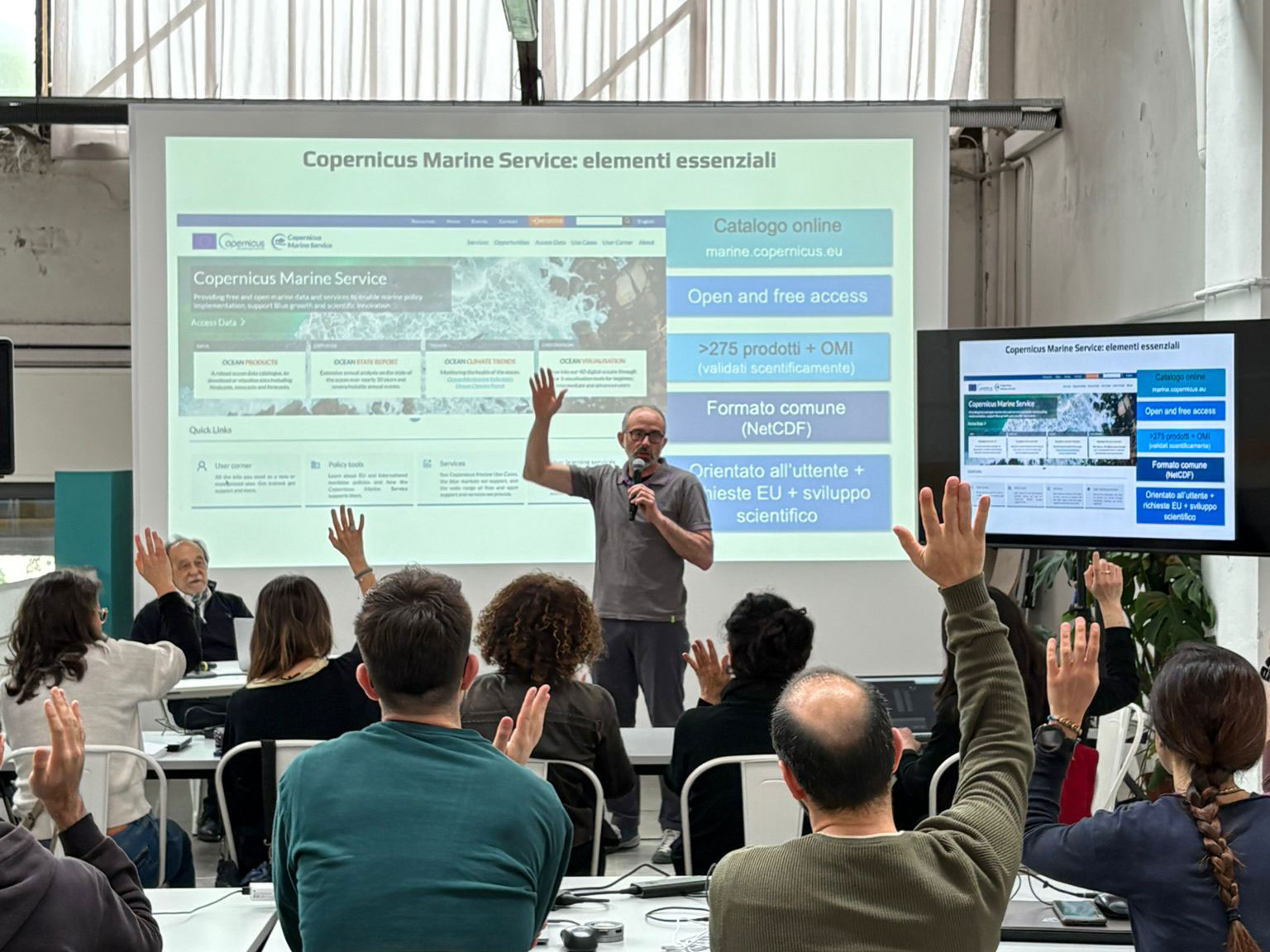
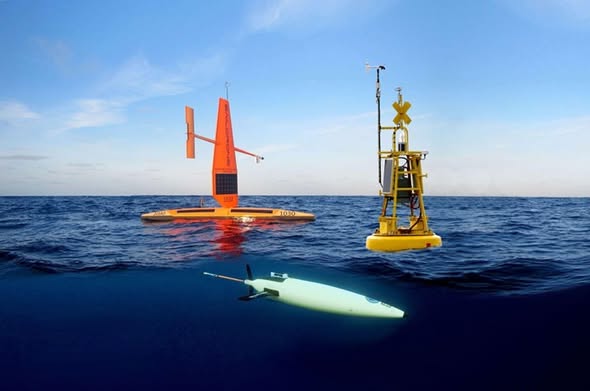
MARCOPOLIS events have started today: training on next-generation products for marine and coastal observation
New Method Improves Simulation of Underwater Noise Propagation in Marine Environments
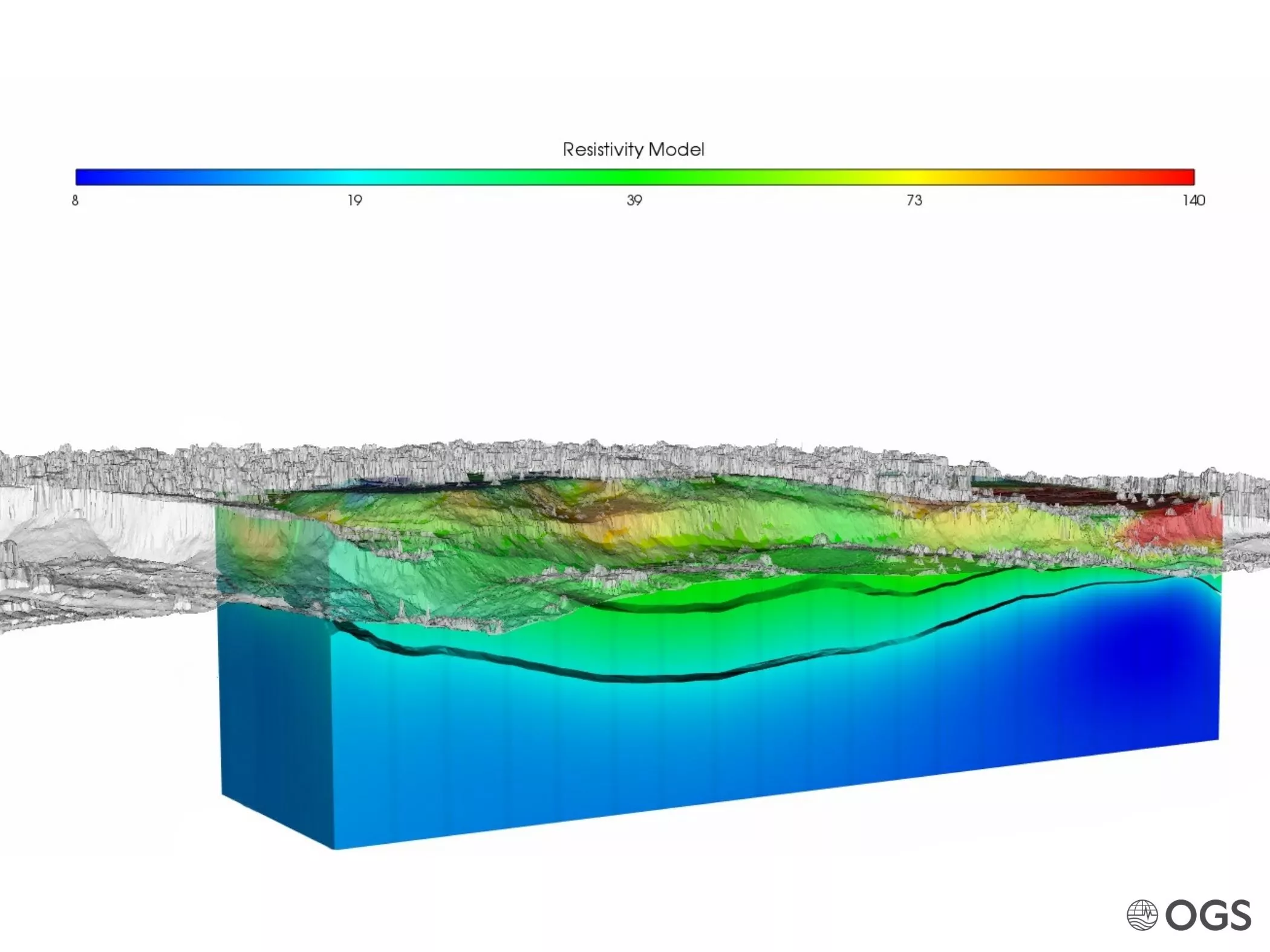
OGS Completes Geophysical Surveys in Niscemi to Support Landslide Monitoring
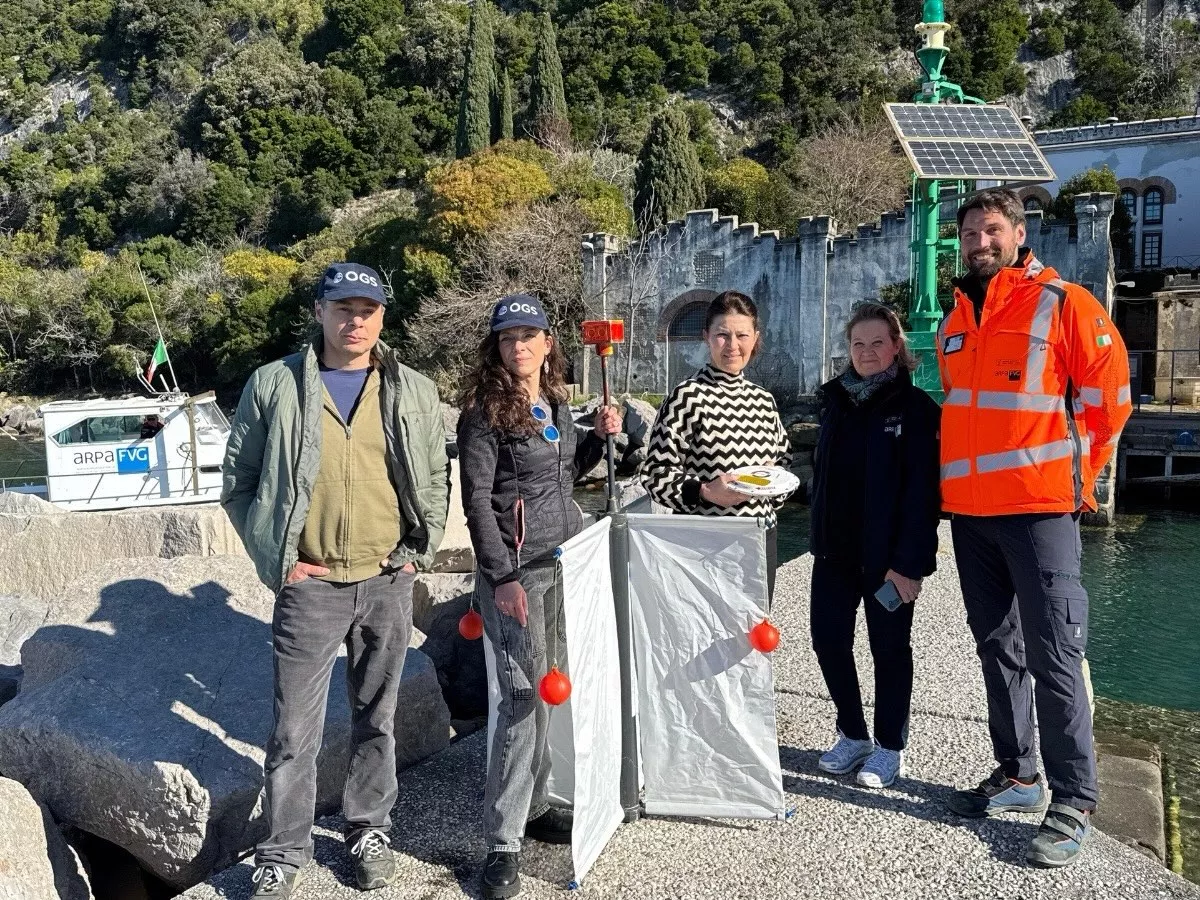
The second year of joint experimentation between Arpa FVG and OGS is underway: new drifter releases to study the currents of the Gulf of Trieste
Conclusion of the Transnational Access call funded by the PNRR ECCSELLENT project
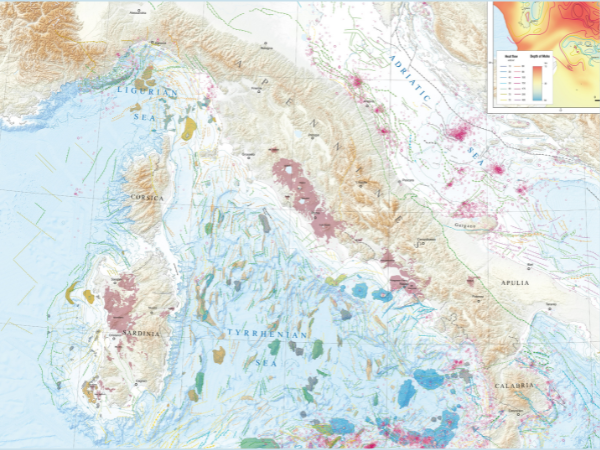
From the coasts to the marine depths: the structural map of the italian seas is now online
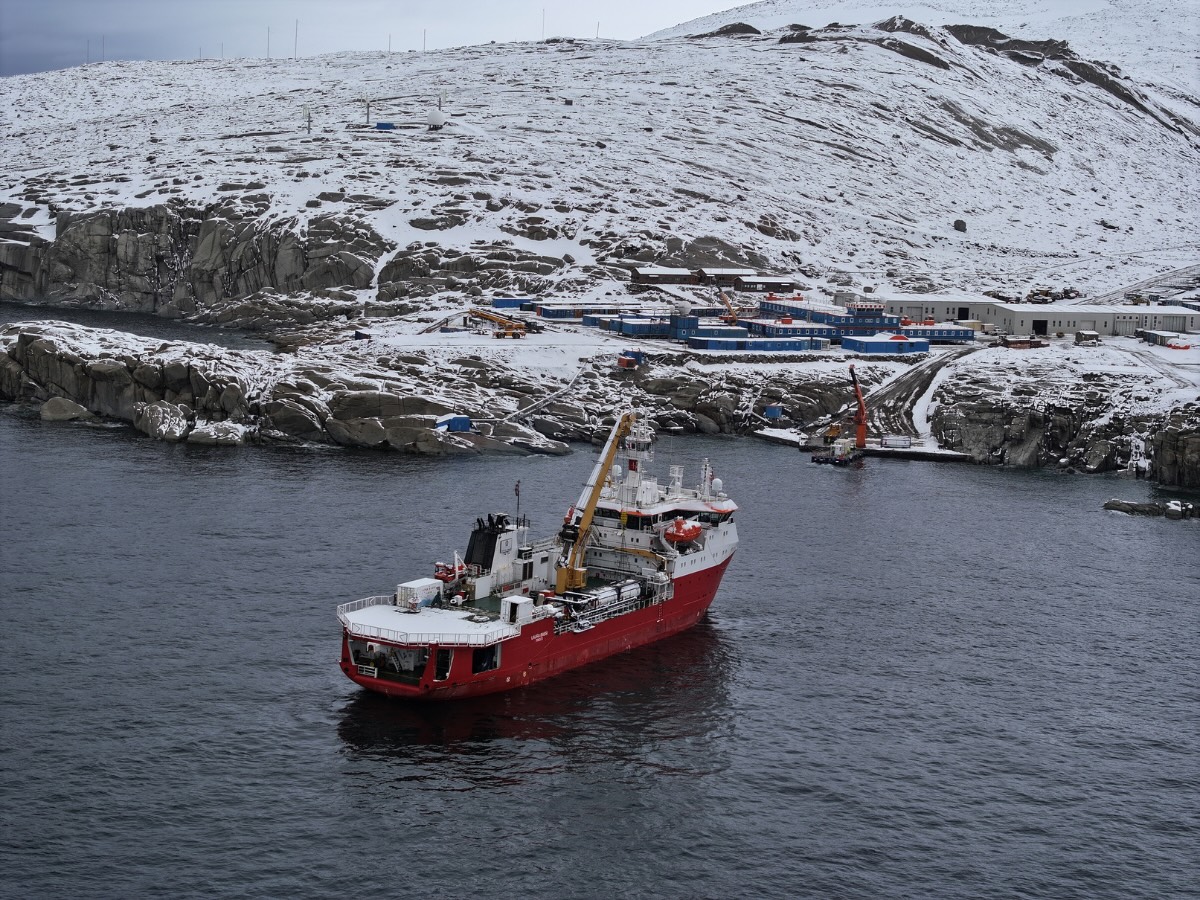
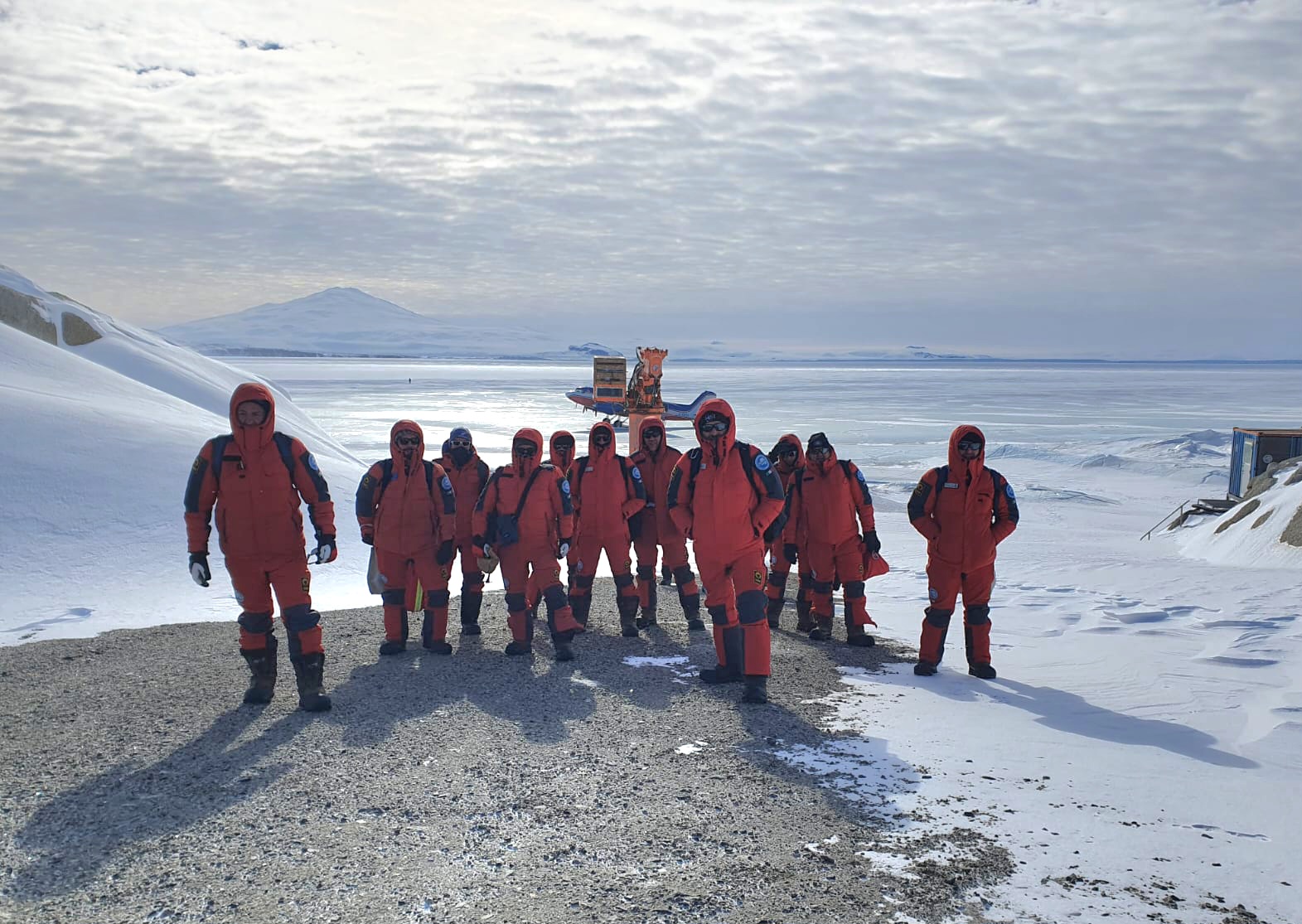
Antarctica: the R/V Laura Bassi concludes its research campaign
RIVIERADE kicks off: climate science for more resilient European seas and coastlines
Climate change disrupts mediterranean seafloor ecosystems, threatening hundreds of species
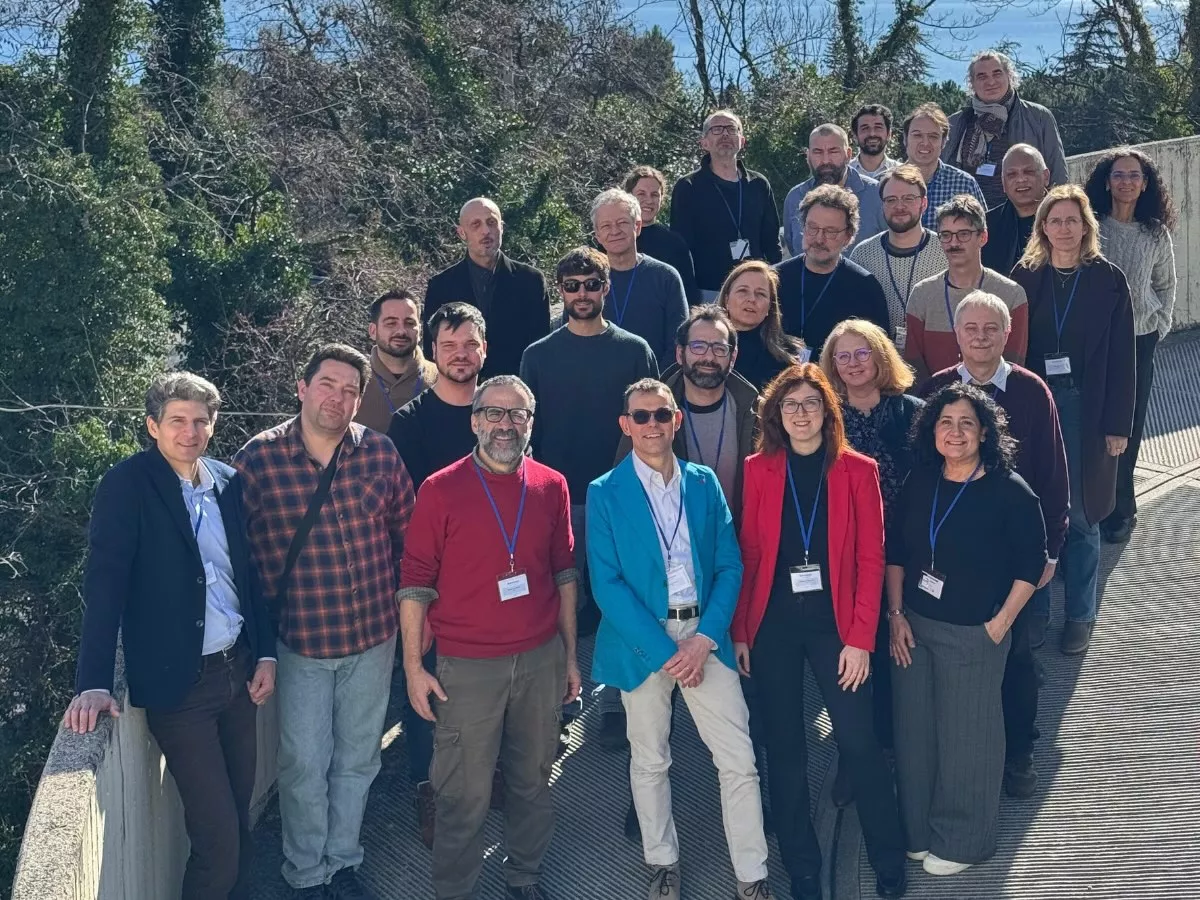
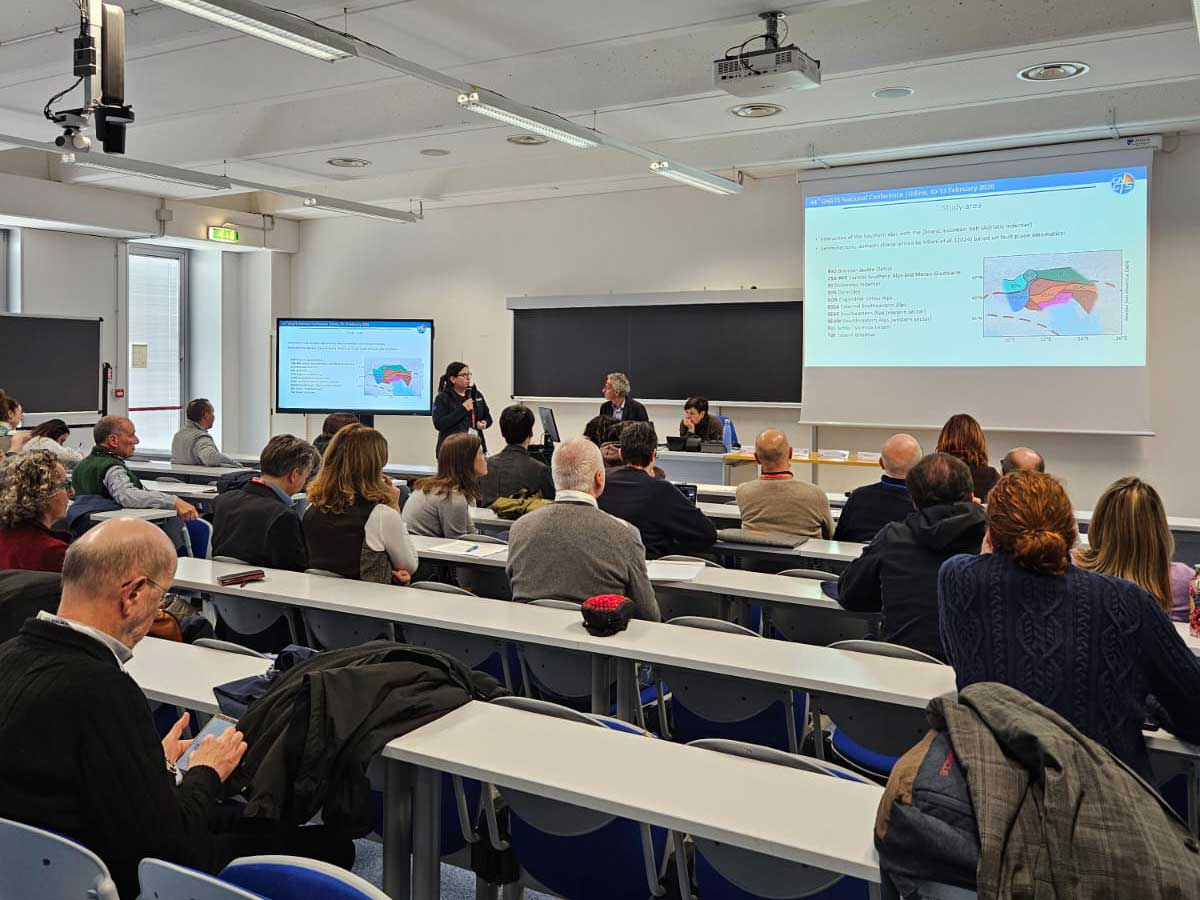
GNGTS returns to Friuli, 50 years after the 1976 earthquake
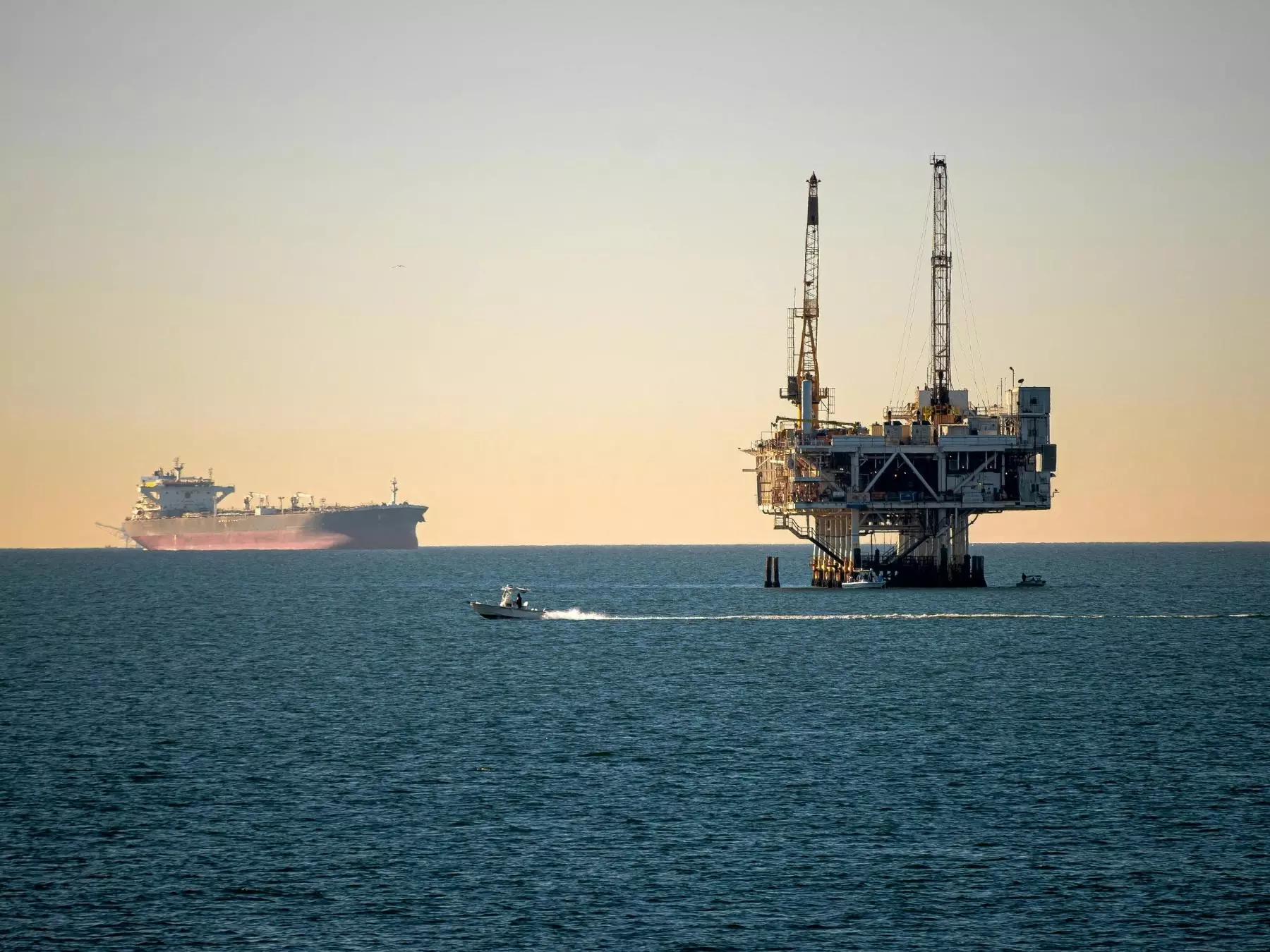
Oil Spill Risks in the Adriatic: New Maps Aim to Improve Joint Action Against Marine Pollution
The Role of Mixotrophs in Oceanic Carbon Accumulation
Invasive warty comb jelly threatens Venice Lagoon Ecosystem
Extratropical cyclones can influence CO₂ uptake in the Mediterranean Sea
OGS officially opens its new office in Trento
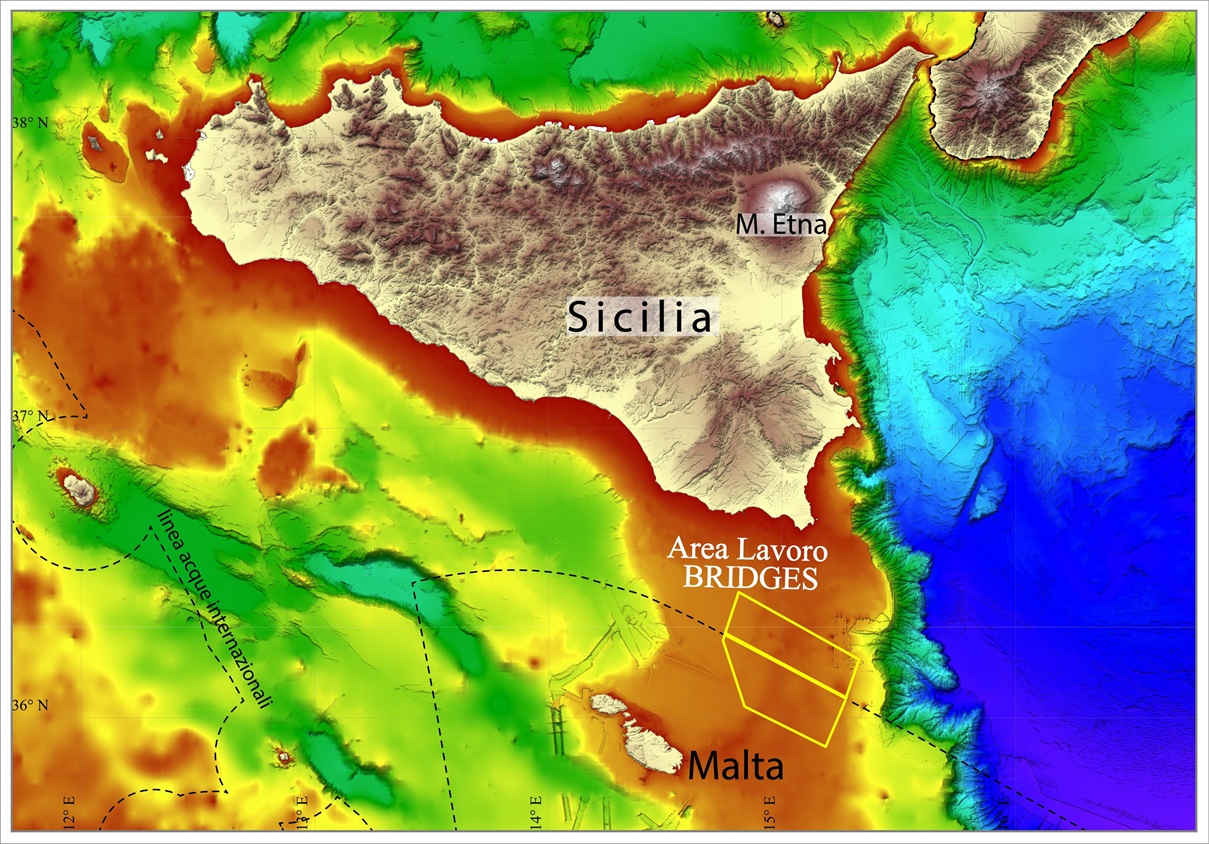
The BRIDGES expedition begins to explore the ancient land bridge connecting Sicily and Malta
From the Canary Islands to Trieste: the ATL2MED mission to better understand the CO₂ cycle
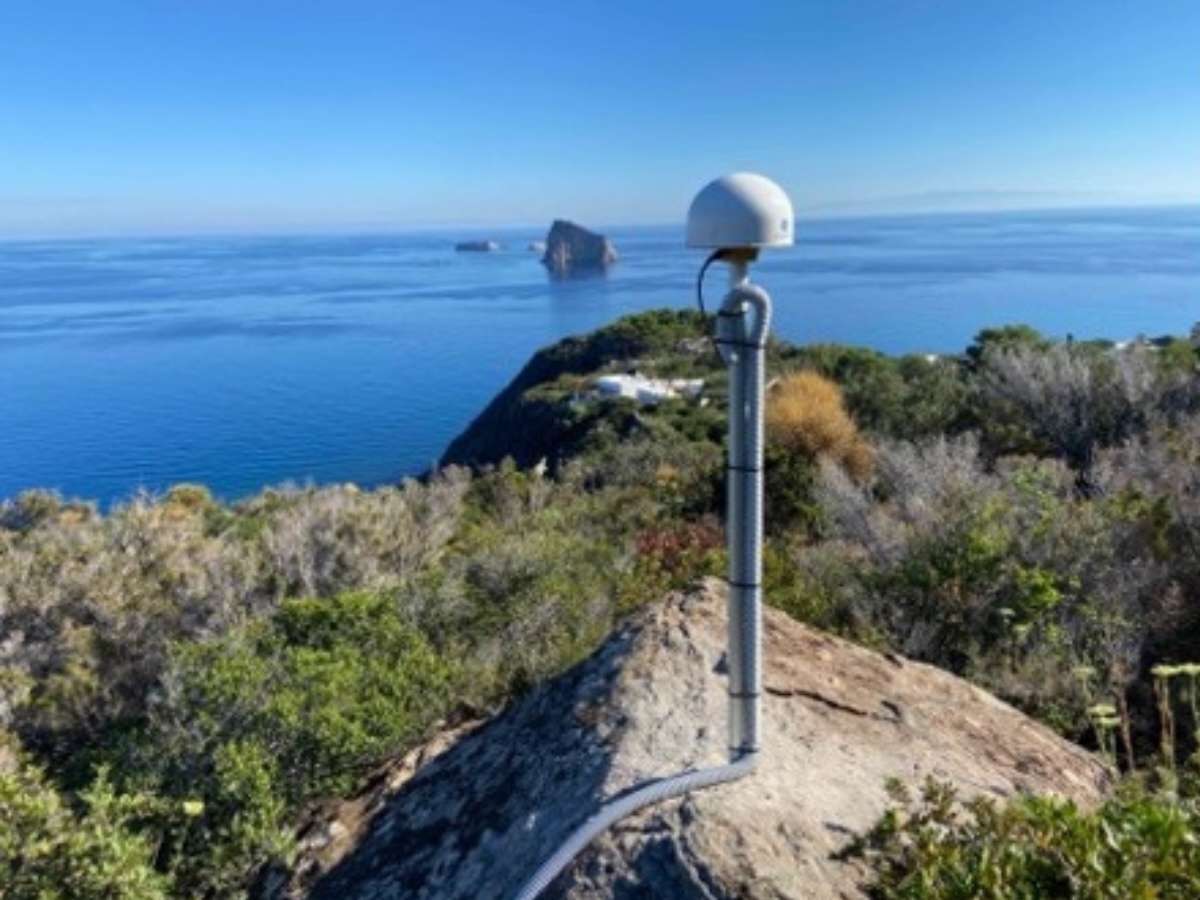
Installation of Six Temporary Seismo-Geodetic Stations Completed on the Island of Panarea
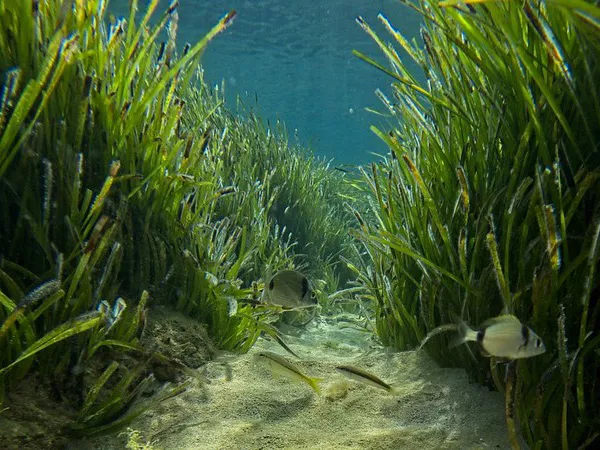
Climate change and seagrass meadows: a study examines the effects of habitat fragmentation
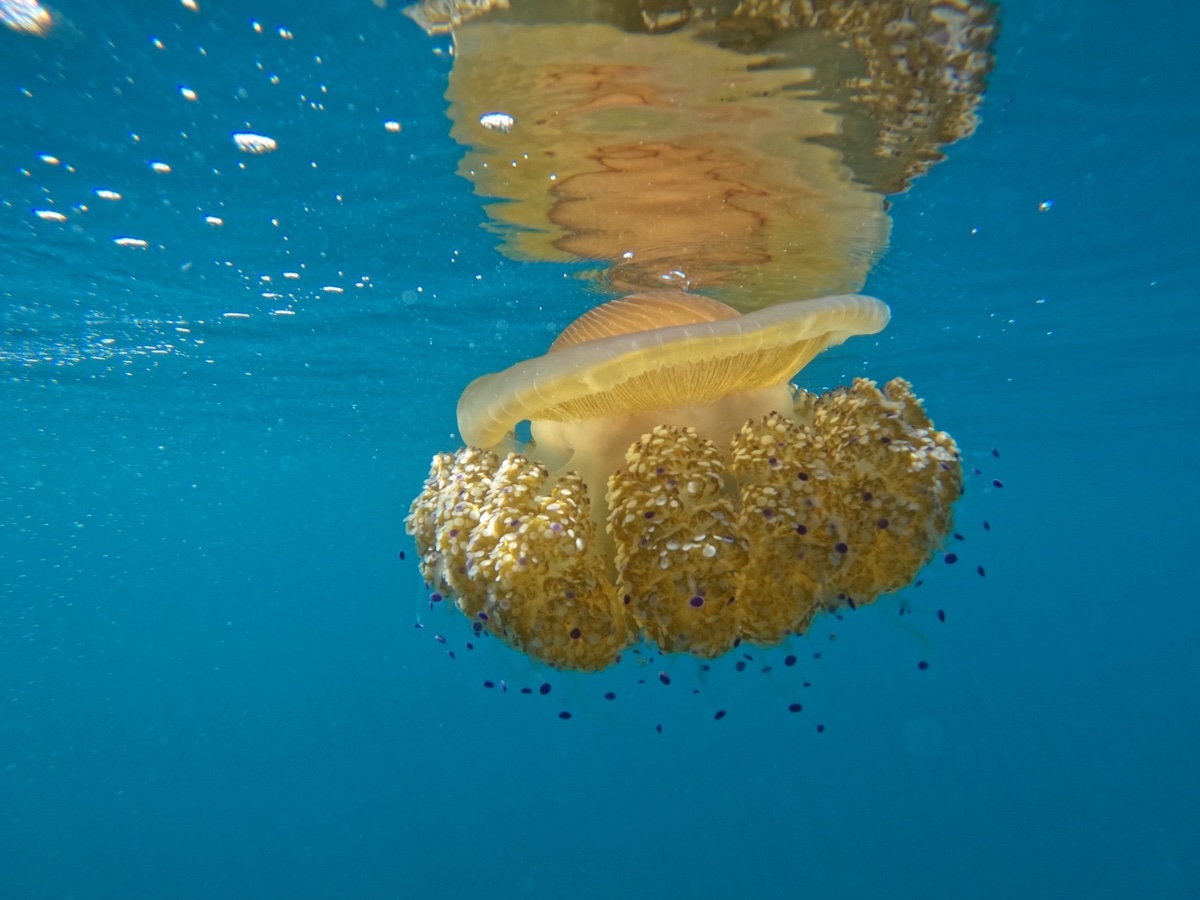
A complex, articulated digestive system—similar to that of more complex organisms—discovered in the jellyfish Cotylorhiza tuberculata
FIS Projects: €2.5 million to OGS to study the deep sea and risks in mountainous regions
Beyond Blue: the call opens for the MareDireFare 2026 exhibition
Antarctica: the icebreaker Laura Bassi begins scientific mission
New study gives valuable insight into the formation and circulation of dense waters between the Adriatic and Ionian Seas
Yao Liang Jun, First Secretary of the Chinese Consulate in Milan, visits OGS
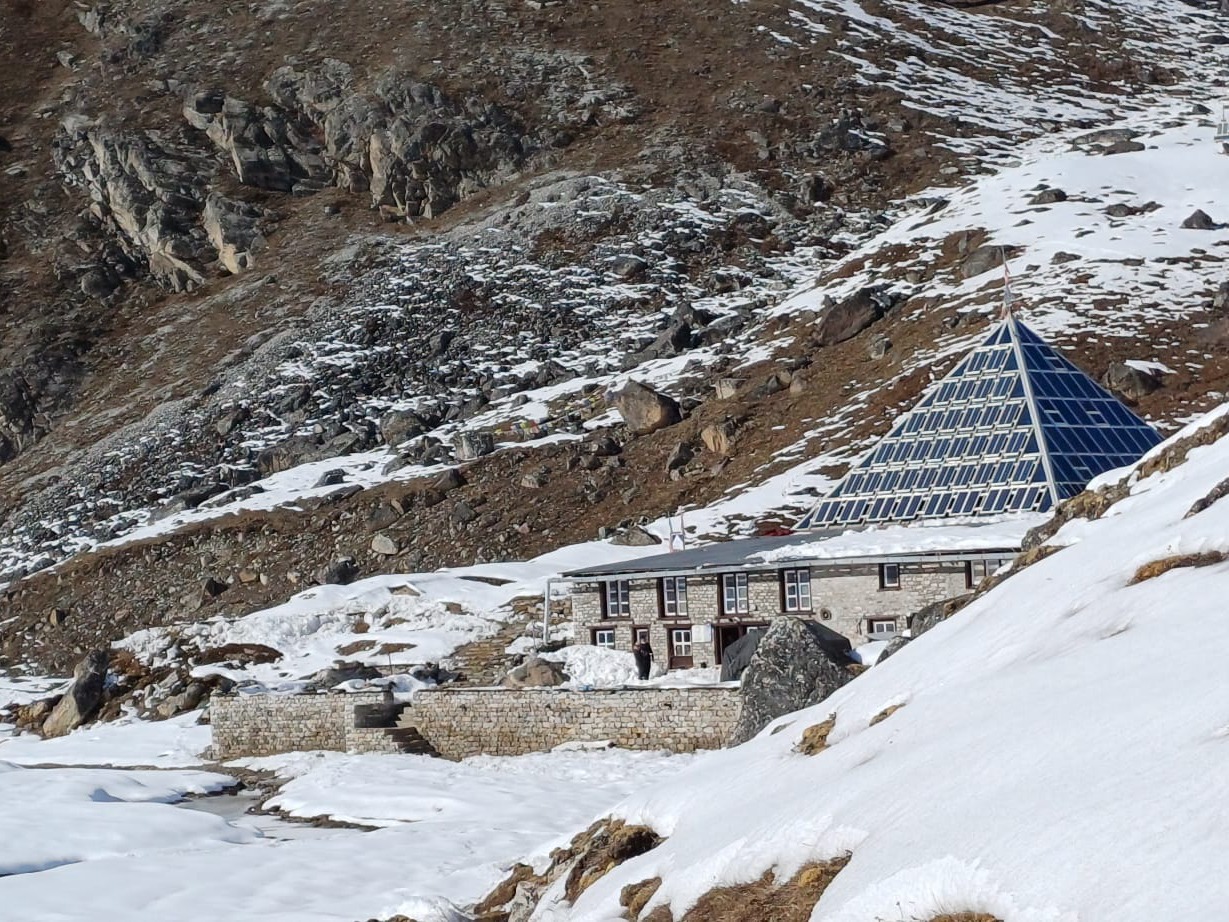
New Instruments at the Everest Seismological Station (EvK2CNR) to study icequakes
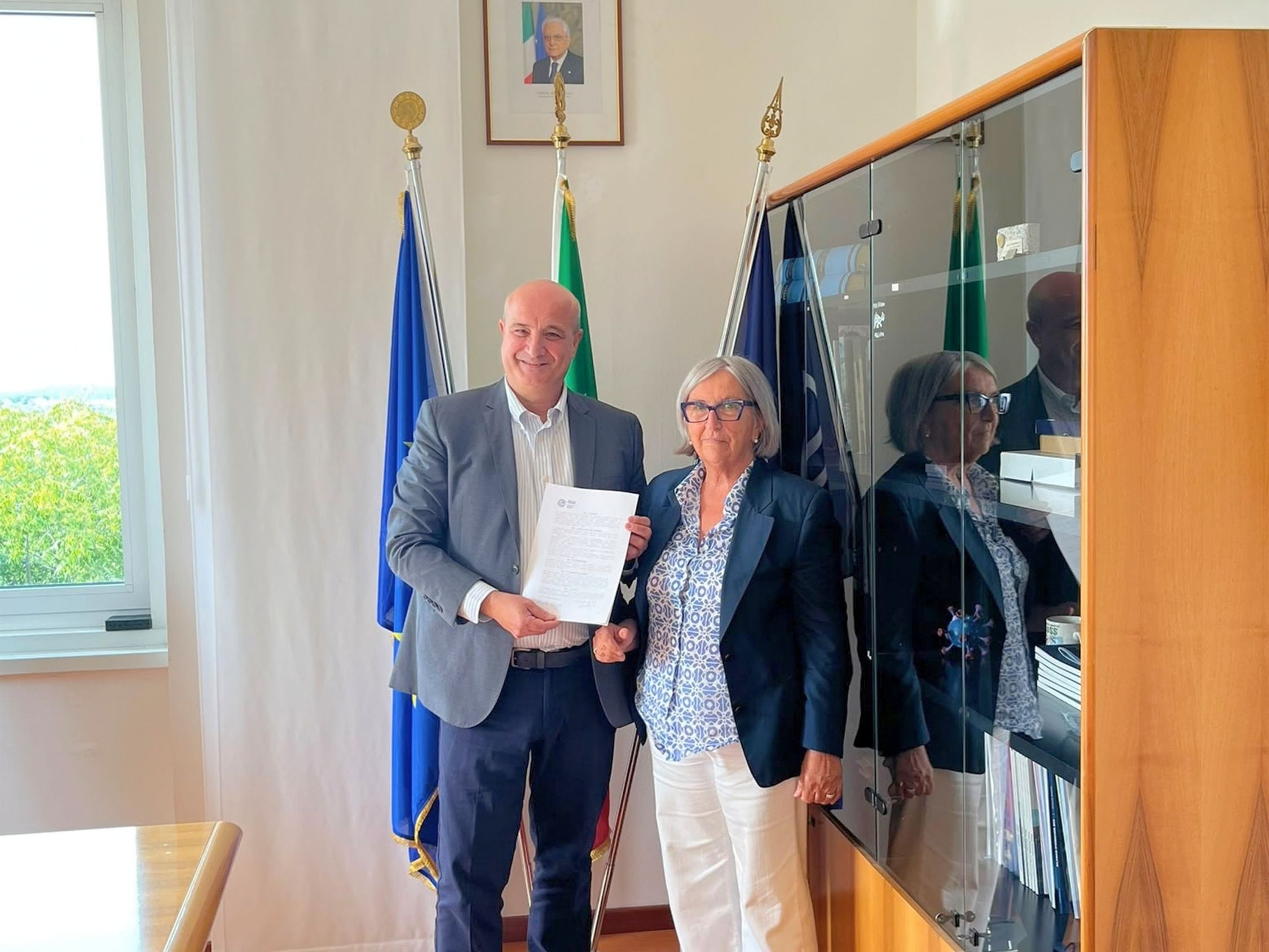
ItaliaMeteo and OGS sign a cooperation agreement on oceanography and marine sciences
Campi Flegrei: a preparatory phase for earthquakes identified
Antarctica: the 41st Italian research season begins
Lorenzo Fant and Ilaria Cunico from OGS win the 2025 Young Researchers Award
The Adriatic Sea is losing its seagrass meadows: rising sea temperatures among the main causes
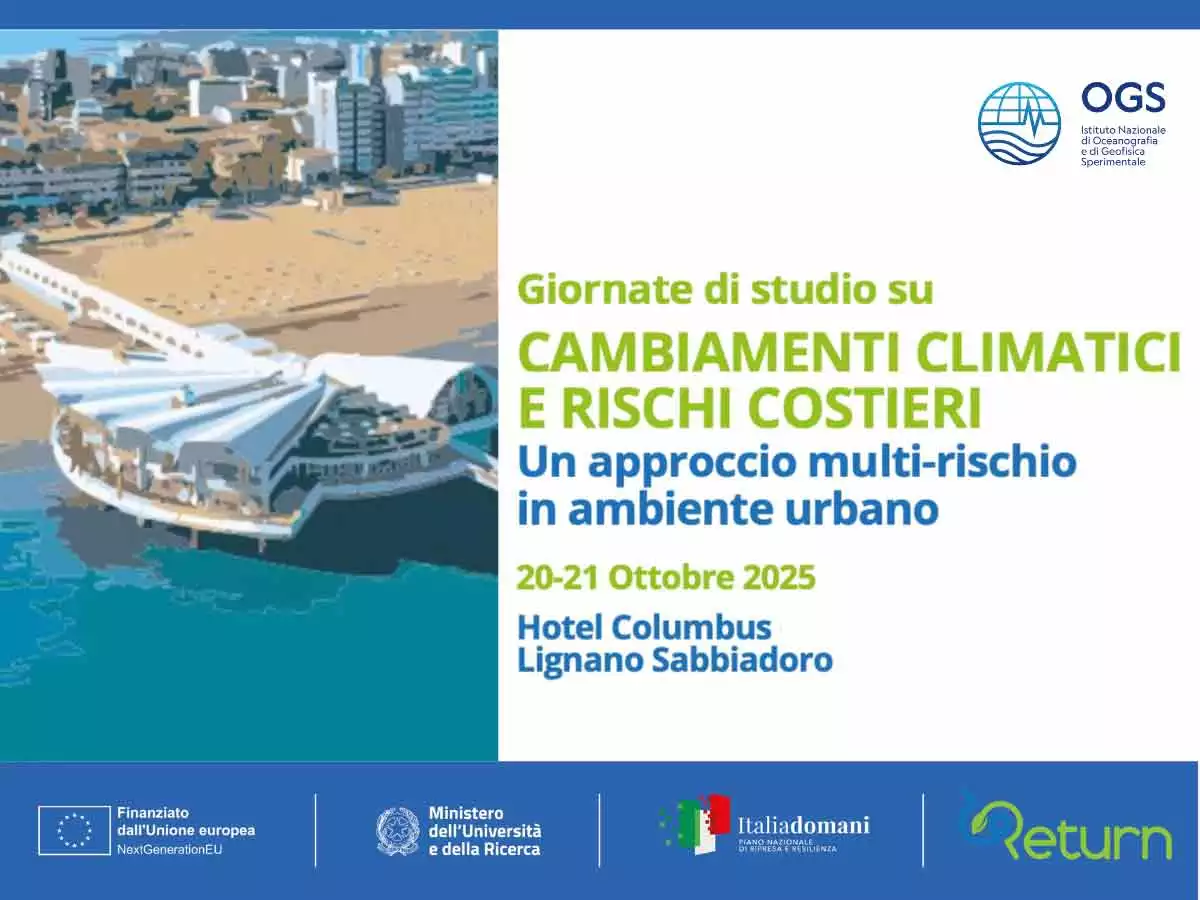
Climate Change and Coastal Risks: A Multi-Risk Approach in Urban Environments
Science for Prevention in Civil Protection: the OGS Event at the CRS
Roman and Early Medieval palisades discovered in Grado provide insights into historical sea-level changes and local paleoenvironment
The R/V Laura Bassi departs from Trieste carrying a special load bound for Antarctica
Polar geoengineering: a new study shows that new approaches are not useful and can even be harmful
The summer oceanographic campaign of the research vessel Laura Bassi has started
Bottom trawling reduces biodiversity in the Mediterranean
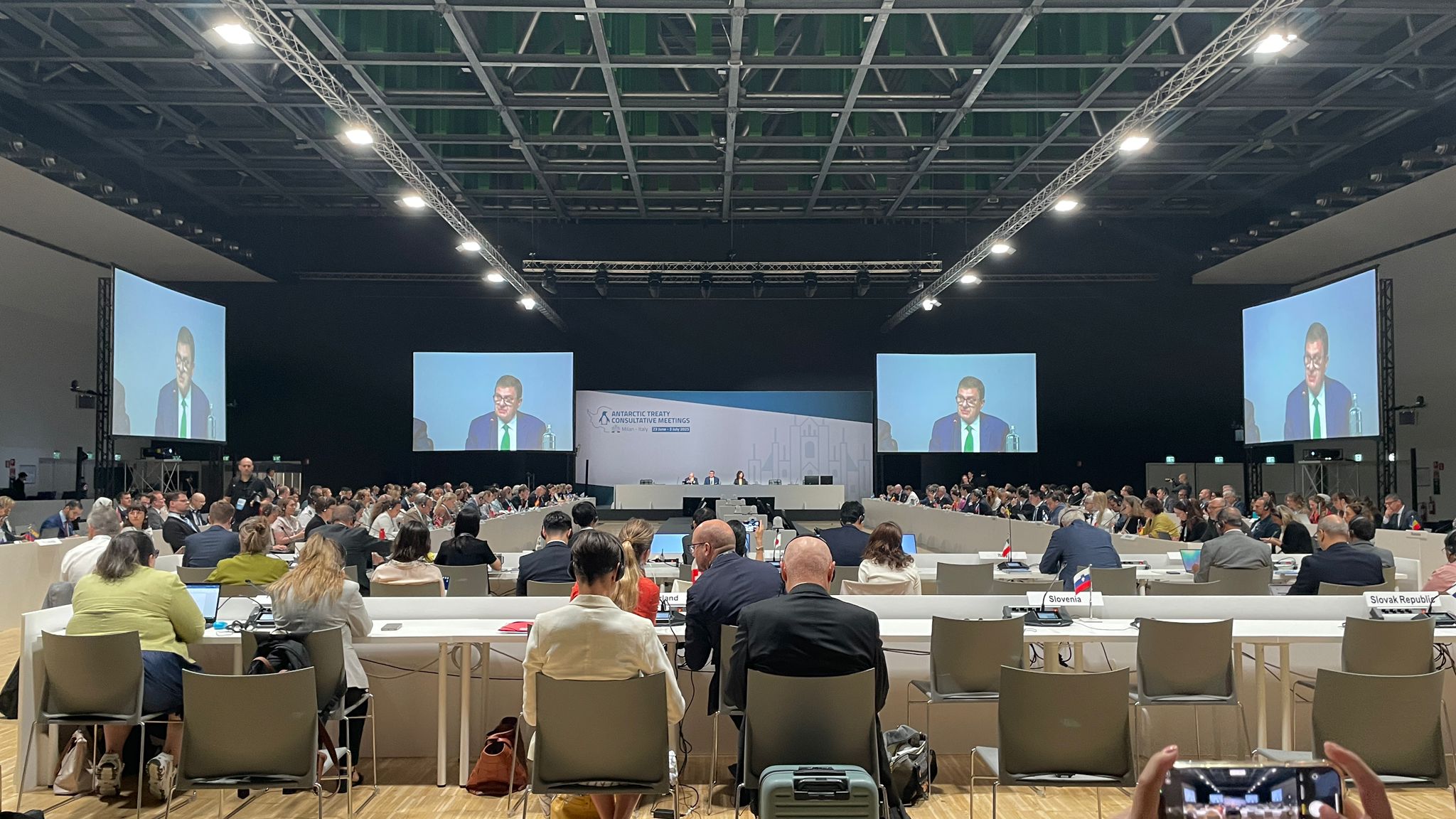
OGS at the Antarctic Treaty Consultative Meetings – ATCM
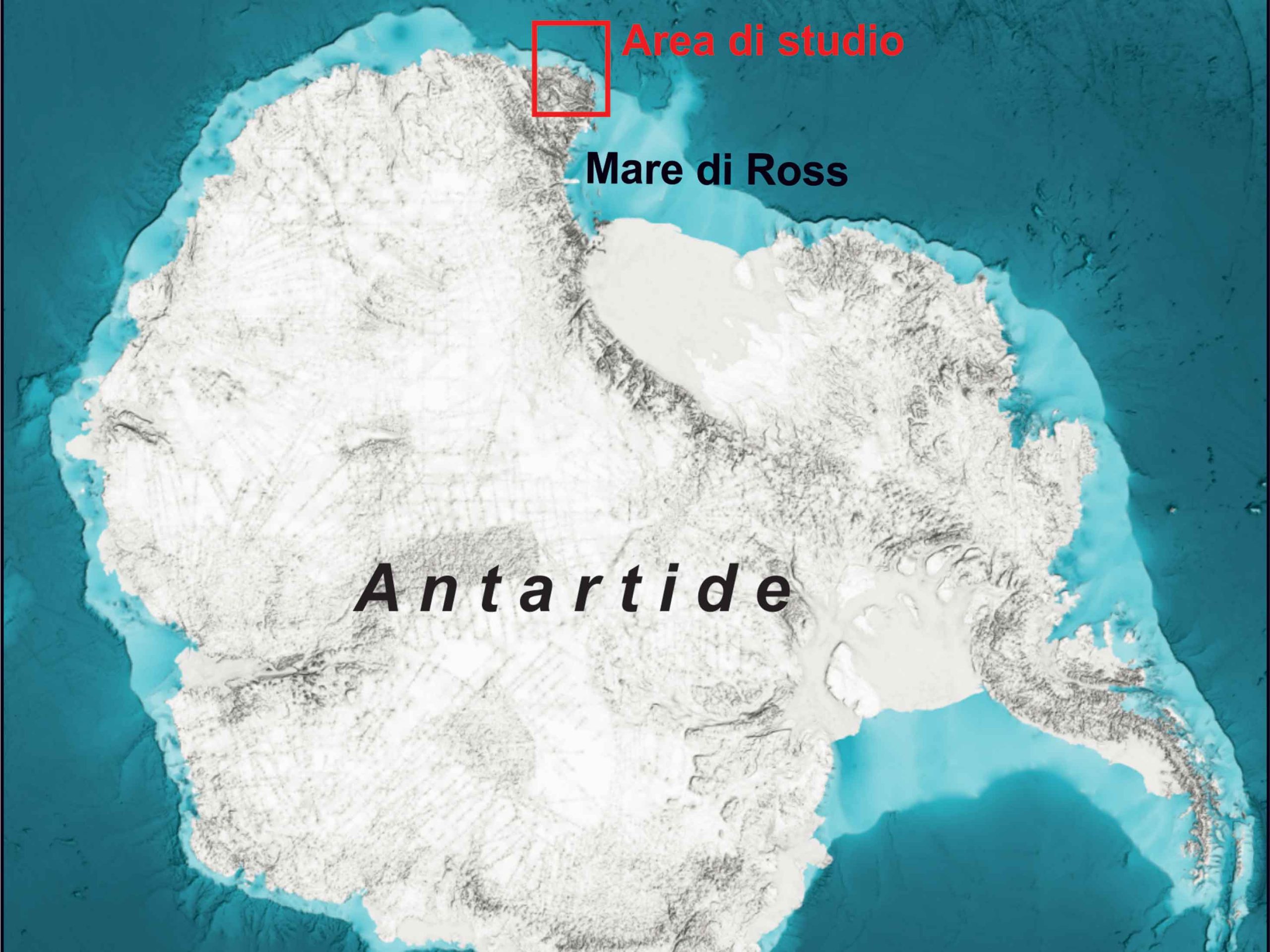
The PNRA-BOOST project reveals the presence of volcanoes, glacial valleys and drifting continents on the antarctic ocean floor
Cosimo Solidoro is the new President of The Italian Oceanographic Commission
A new scientific expedition to the Svalbard Islands to study Arctic ice
An international study analyzes the fate of oil spills in the Mediterranean Sea
From the MUR, four million euros for the modernization of the ‘Laura Bassi’
Scientific Diving Summer School: registrations are now open
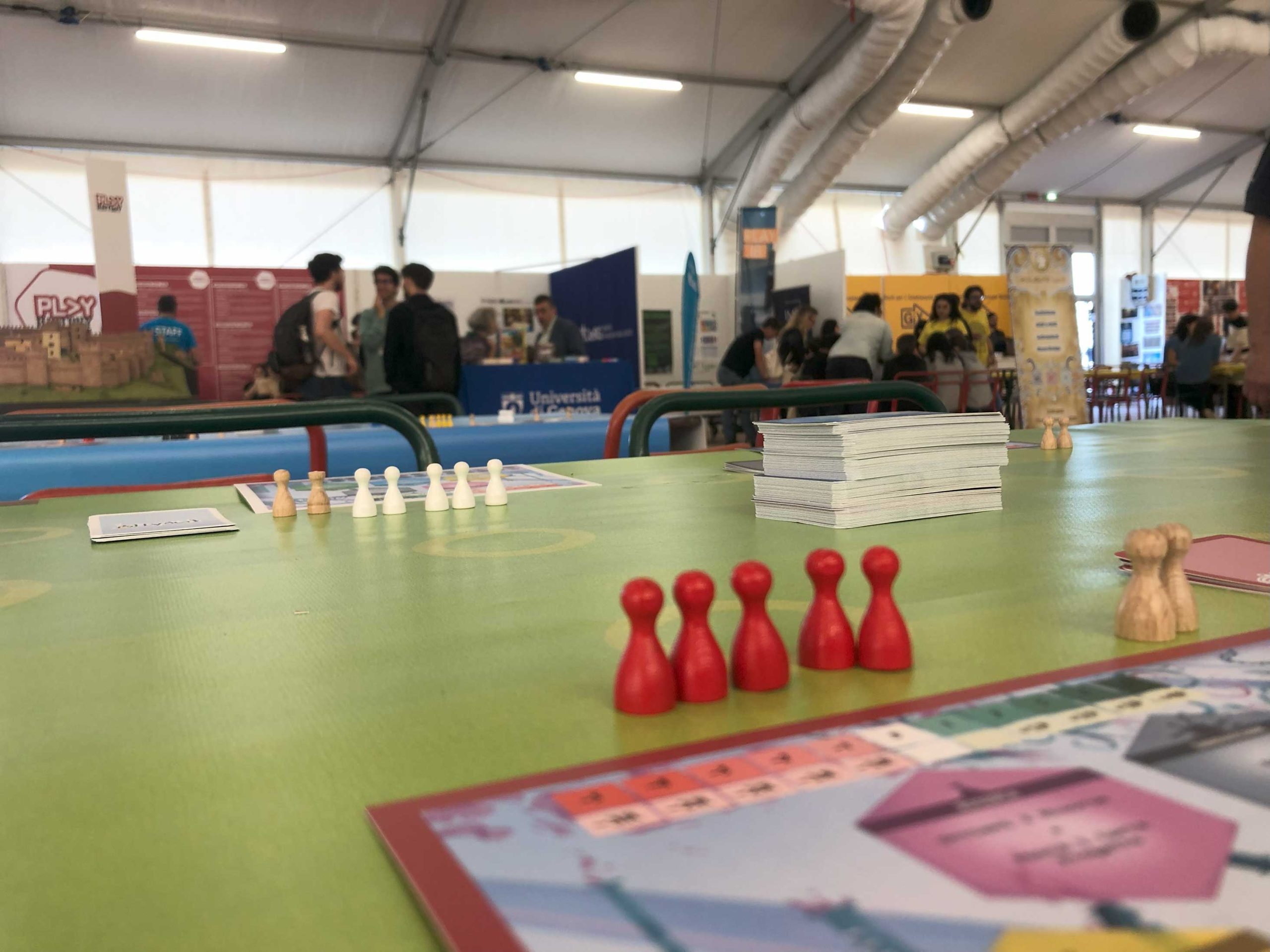
The scientific games of the OGS will be presented at PLAY The games Festival