An interdisciplinary group of researchers from IFOM – AIRC Institute of Molecular Oncology Ets, University of Milan, University of Perugia, CNRS – Institut Curie in Paris, and CNR – Istituto Officina dei Materiali (CNR-IOM) has developed a next-generation integrated microscopy platform, reported in the journal Advanced Science.
The technology allows researchers to monitor in real time how tumor cells respond to mechanical stimuli that influence invasiveness, metastasis development, and drug response, while simultaneously measuring mechanical properties and biochemical responses. The studies were carried out on three-dimensional breast tumor spheroids, microscopic cell masses that reproduce in vitro the architecture and interactions of tumor tissues.
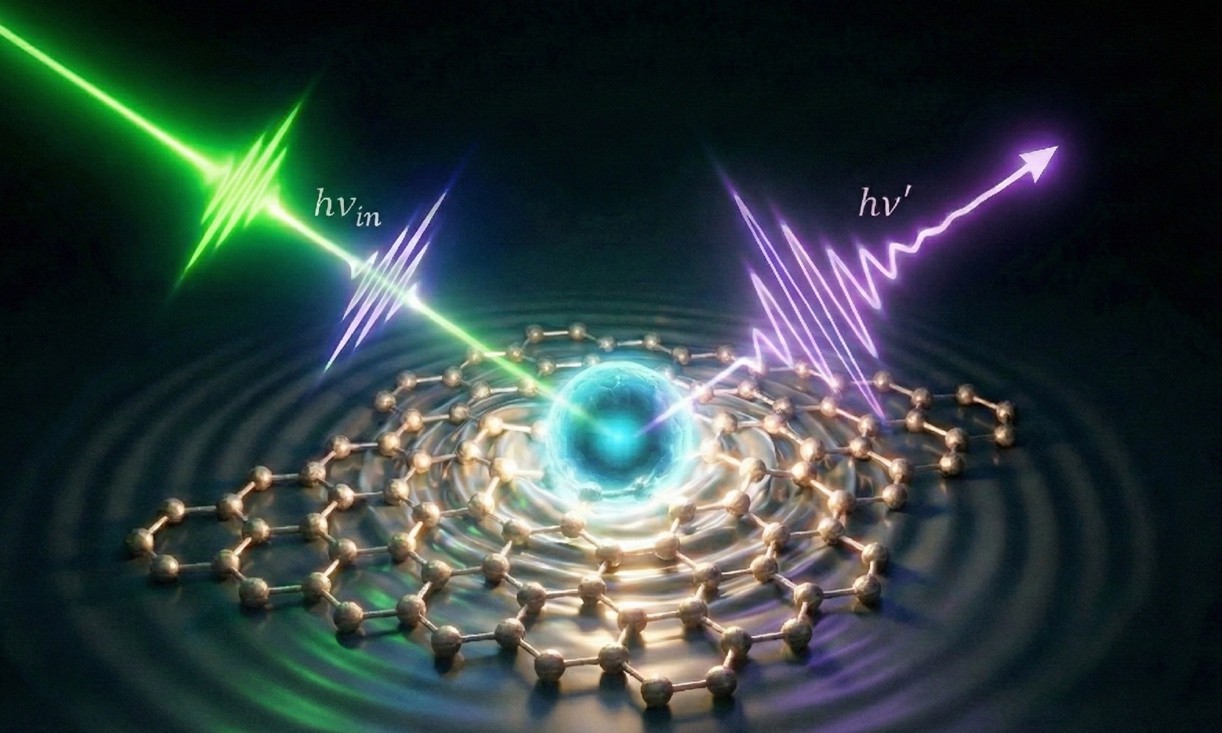
The system integrates Brillouin microscopy, which measures rigidity and mechanical properties through light, and Raman microscopy, which reveals biochemical composition, within microfluidic devices, enabling simultaneous observations of cellular properties under conditions closely resembling living tissues.
Silvia Caponi from CNR-IOM contributed to the development of the platform, helping integrate advanced optical microscopy techniques. This new technology provides a fully optical, non-invasive approach compatible with advanced biological models used in mechanobiology. It represents a significant step forward in understanding the processes driving tumor progression and, in the future, the potential to modulate them.
The institutions involved include IFOM Ets (Milan), University of Perugia (Departments of Physics and Geology; Chemistry, Biology, and Biotechnology), University of Milan (Department of Oncology and Hemato-Oncology), CNRS UMR144 – Institut Curie and Institut Pierre-Gilles de Gennes (Paris), and CNR-IOM (Perugia).
More info here.
More news