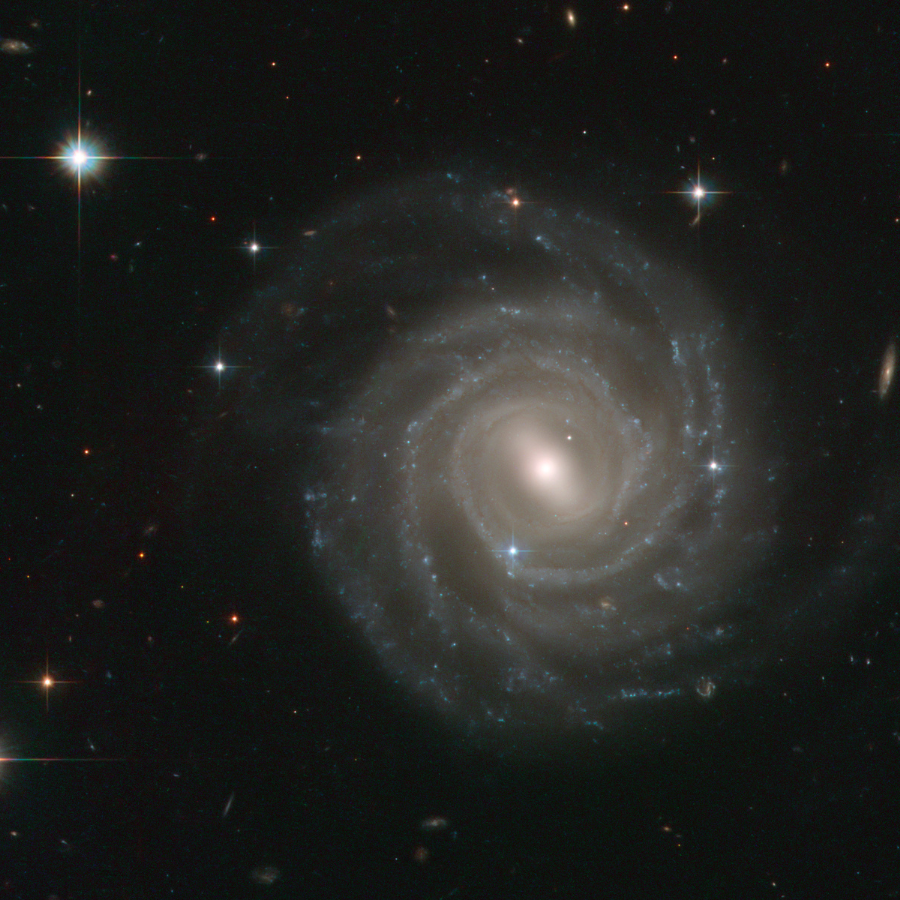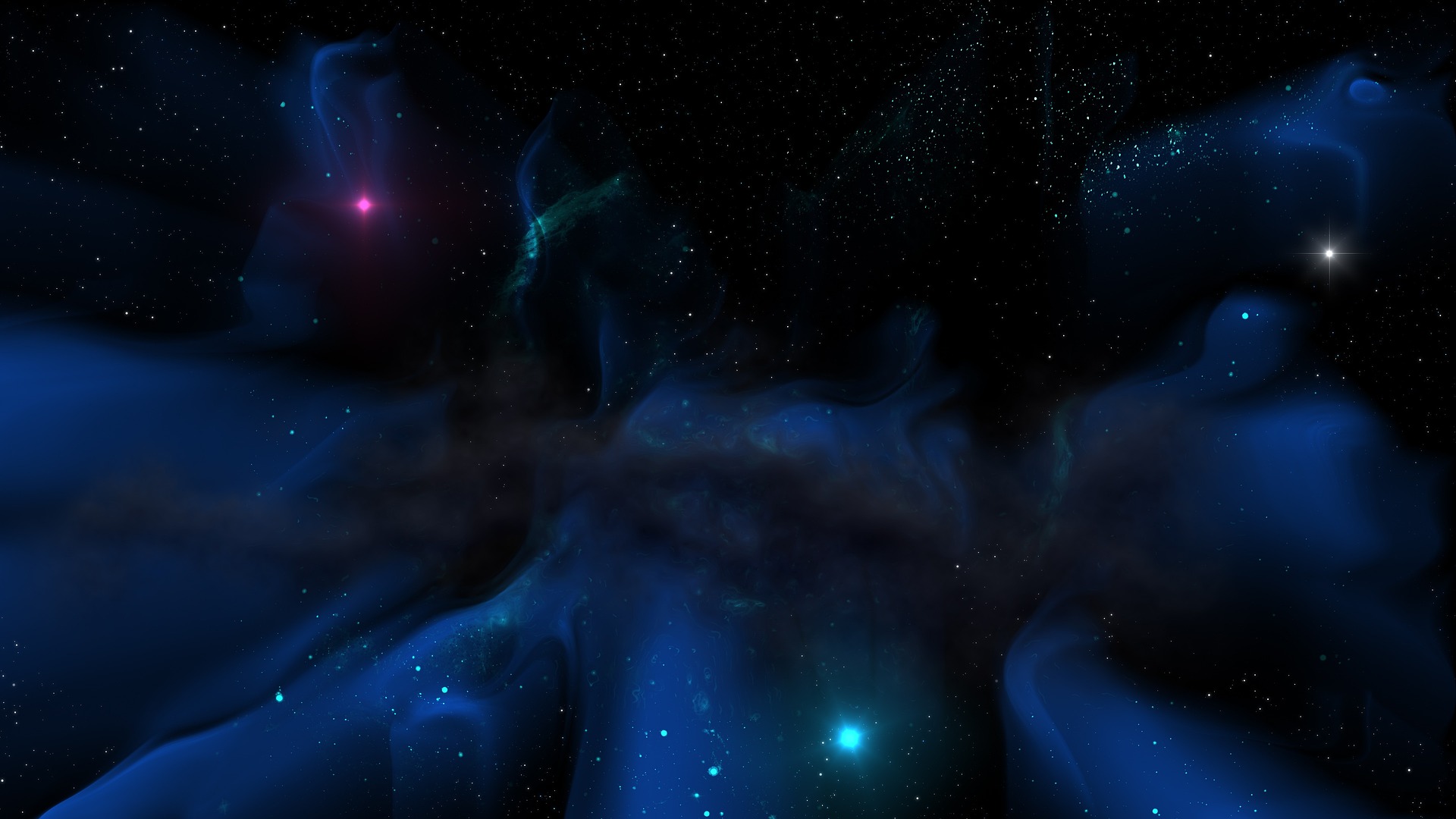
Supernovae help astronomers measure how the Universe expands over time, but correctly interpreting this signal is far from straightforward: the light that reaches us is affected by multiple factors, making truly precise measurements extremely difficult. In a new study published in Nature Astronomy, Konstantin Karchev and Roberto Trotta of SISSA, together with Raúl Jiménez of the University of Barcelona, introduce CIGaRS (Combined Inference and Galaxy-Related Standardisation), a method based on artificial intelligence and neural networks that disentangles the intrinsic effects on the luminosity of these stellar explosions from environmental ones, such as interstellar dust and the expansion of the Universe. This makes it possible to extract far more information without requiring additional data, such as spectroscopic analyses.
More news
Find out more
Supercomputing and AI: €2.4 million awarded to Trieste-based startup FAST Computing
Telethon awards eight Seed Grants for rare diseases: SISSA project on Xia-Gibbs syndrome among the funded
Spinal trauma: it all starts with mechanoreceptors
Over €5 million awarded to SISSA by the Italian Science Fund
Nicola Gigli Named Among the “Highly Cited Researchers 2025”: A Prestigious Recognition for the SISSA Mathematician
“The Unwetlands”: SISSA and FACTA win a grant from the Journalism Science Alliance to investigate the loss of Italy’s wetlands
A unified model of memory and perception
Sounds Modify Visual Perception: A Study Reveals New Links Between Hearing and Vision in the Rodent Brain
Within a Second After the Big Bang: The Birth of the First Black Holes, Boson Stars, and Cannibal Stars
The Gross–Neveu model “crystallizes” and reveals two key scales
Estimating Nonstabilizerness, an indicator of how difficult it is to replicate a quantum computation on a classical computer
The Opening Ceremony of the new Academic Year at SISSA
The brain switch that controls freeze-or-flight survival instincts
Magnetic fields in the infant Universe may have been billions of times weaker than a fridge magnet
Gianluigi Rozza of SISSA elected to lead Italian applied mathematics
Naomi Oreskes among the keynote speakers at the National Conference on Science Communication
SISSA endorses new national Manifesto on Public Engagement
2025 Frontiers of Science Award: double recognition for SISSA research
Il Cervello Inconscio: a seminar with Enrico Cherubini and Raffaella Rumiati
Quantum Transport: Bosons and Fermions Obey a Universal Law
Recognizing Pathogenic Bacteria More Quickly and Effectively
Master in High Performance Computing (2025-2026): Applications Now Open!
The Italian Science Fund awards the project of SISSA researcher Alessia Soldano
Rat Vision: A Lesson for Artificial Intelligence