

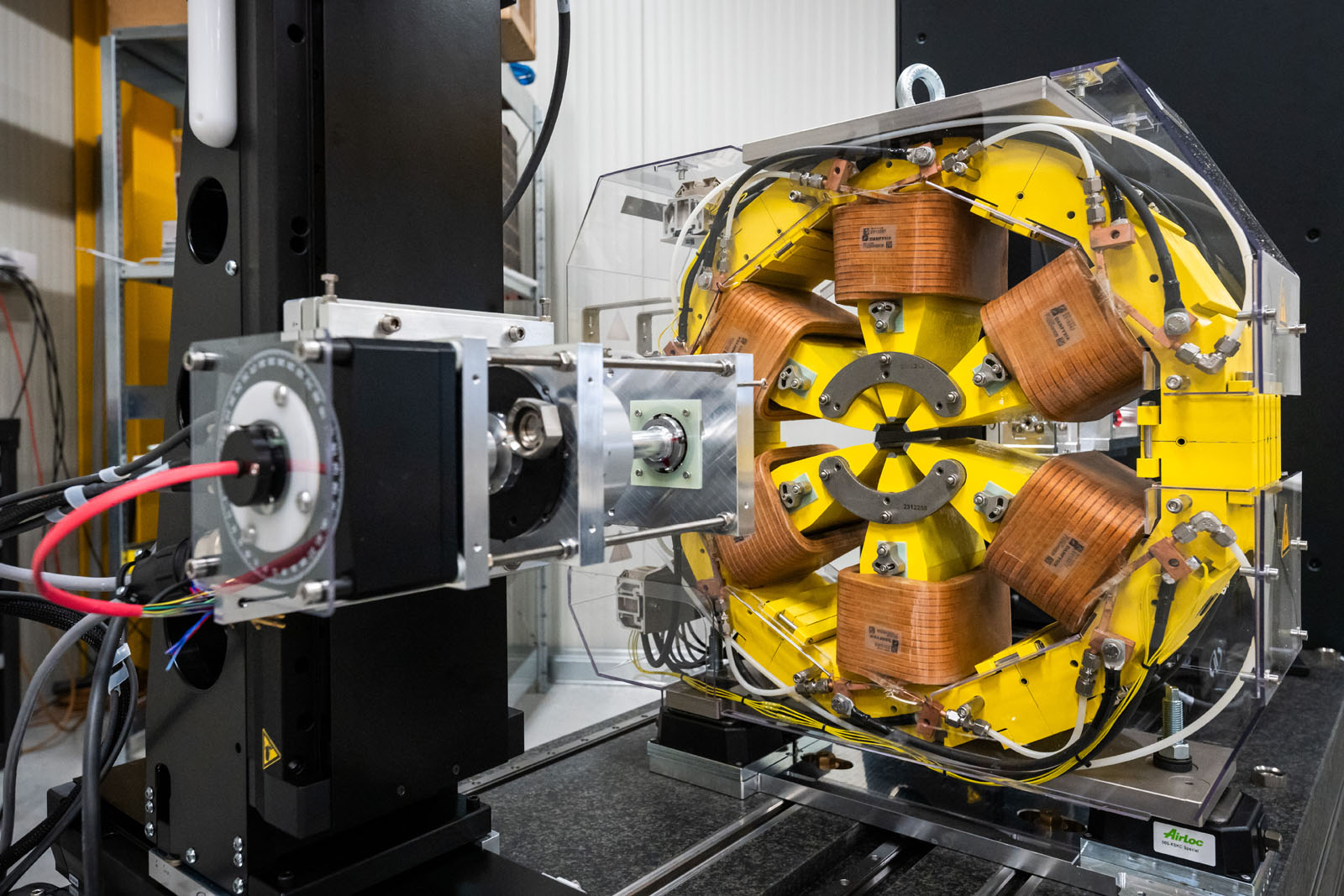
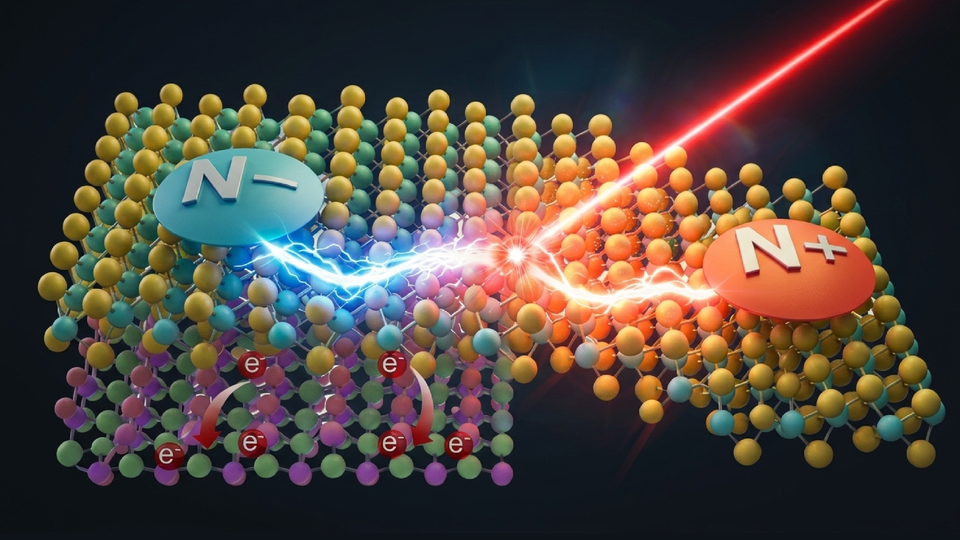
When a material absorbs light, electrons respond almost immediately, while the atoms in the crystal lattice begin to move shortly afterwards. This ultrafast interplay determines how energy is absorbed, dissipated, or converted. Understanding these processes is essential for studying materials relevant to electronics, energy conversion, and thermal management. Yet capturing these phenomena as they unfold remains a major experimental challenge.
An international research team led by Elettra Sincrotrone Trieste has observed this process in graphite at the MagneDyn beamline of the FERMI free-electron laser. The technique, known as time-resolved resonant inelastic X-ray scattering (RIXS), uses a laser pulse to excite the material, followed by a delayed X-ray pulse to probe the resulting changes. A femtosecond is an almost inconceivably short interval: the ratio of one femtosecond to one second is roughly the same as that of one second to 32 million years. Yet this is the timescale on which electronic dynamics and atomic vibrations unfold.
The findings reveal that graphite’s electronic bands are far from a static backdrop against which electrons move. During the first 70 femtoseconds, their reorganization is driven primarily by the excited electron population. At later times, specific lattice vibrations, known as phonons, come into play, further modifying the electronic energy levels. Distinguishing between these two stages provides crucial insight into where and when energy is redistributed through different pathways.
Graphite serves as a model material rather than the ultimate target of practical applications. The significance of this research lies in its ability to disentangle electronic and vibrational contributions while selectively probing different orbitals and regions of momentum space. Before more efficient materials can be designed, researchers must first understand how they dissipate and redistribute energy. FERMI makes it possible to investigate these processes experimentally.
More news
16 October 2026 | NEWS
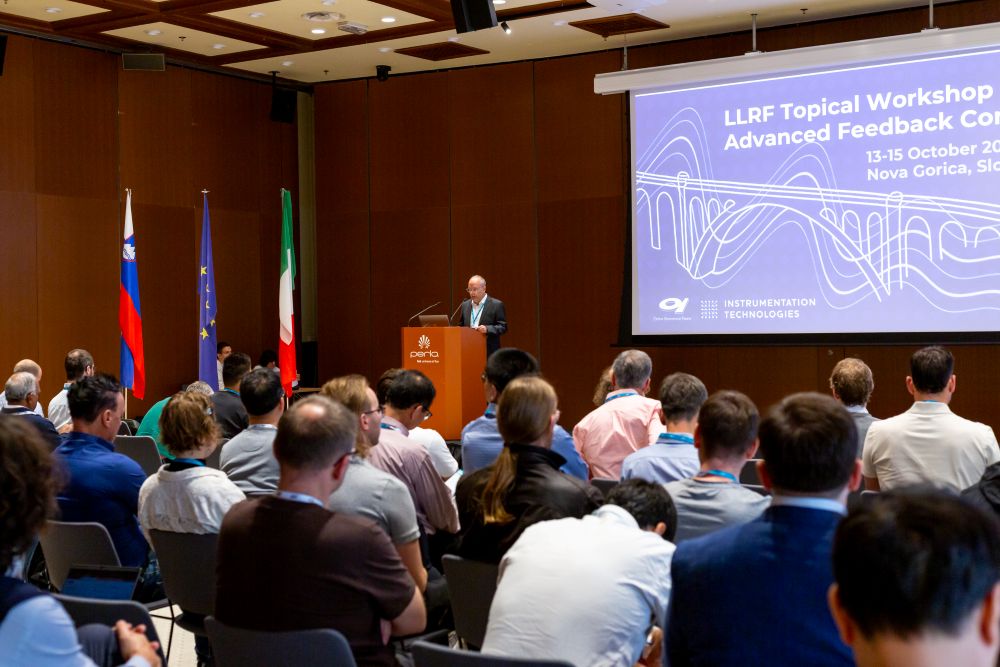
Advanced Accelerator Control: International Exchange at TWoAFC
8 October 2026 | NEWS
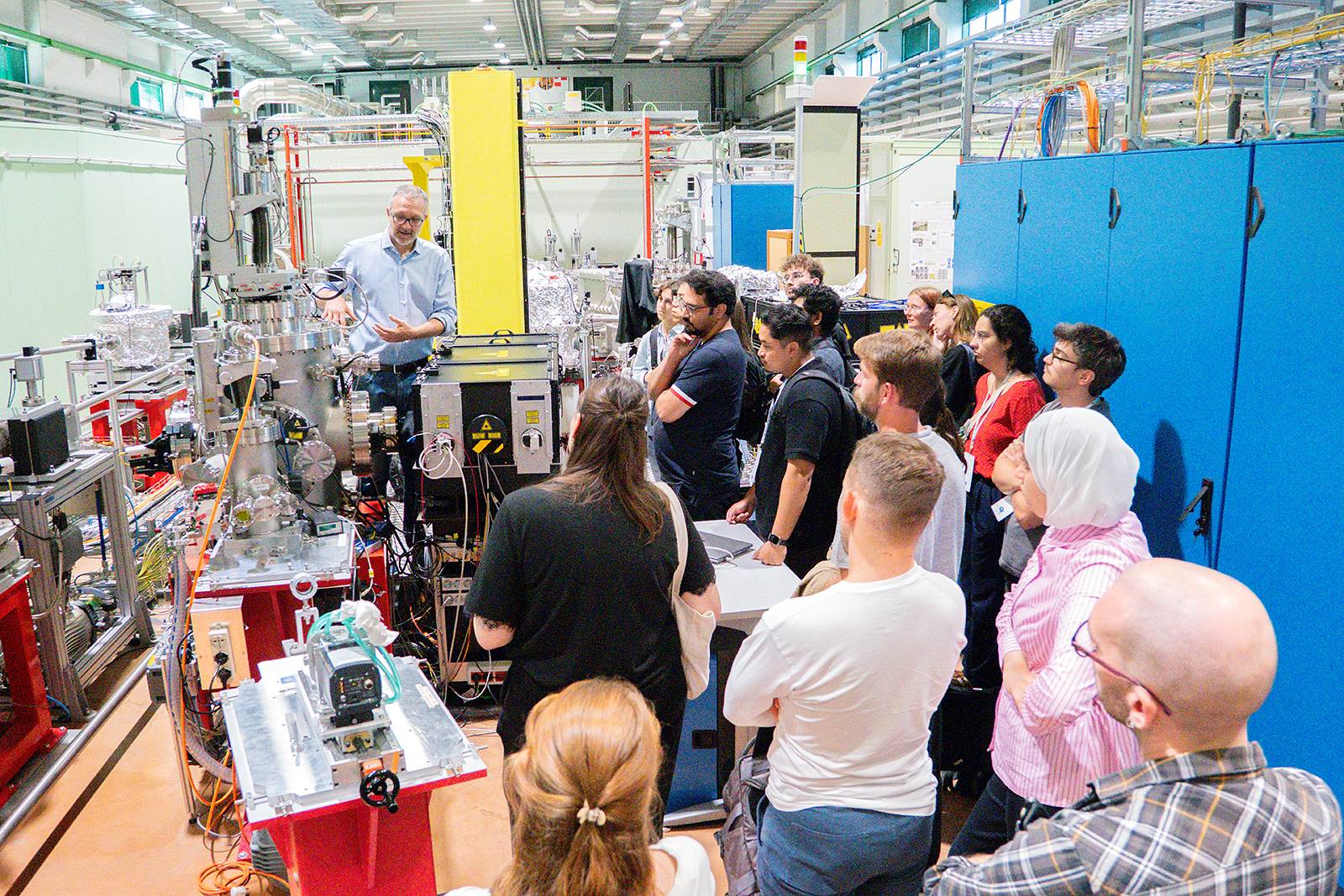
“Gilberto Vlaic” XVIII School on Synchrotron Radiation
29 September 2026 | NEWS
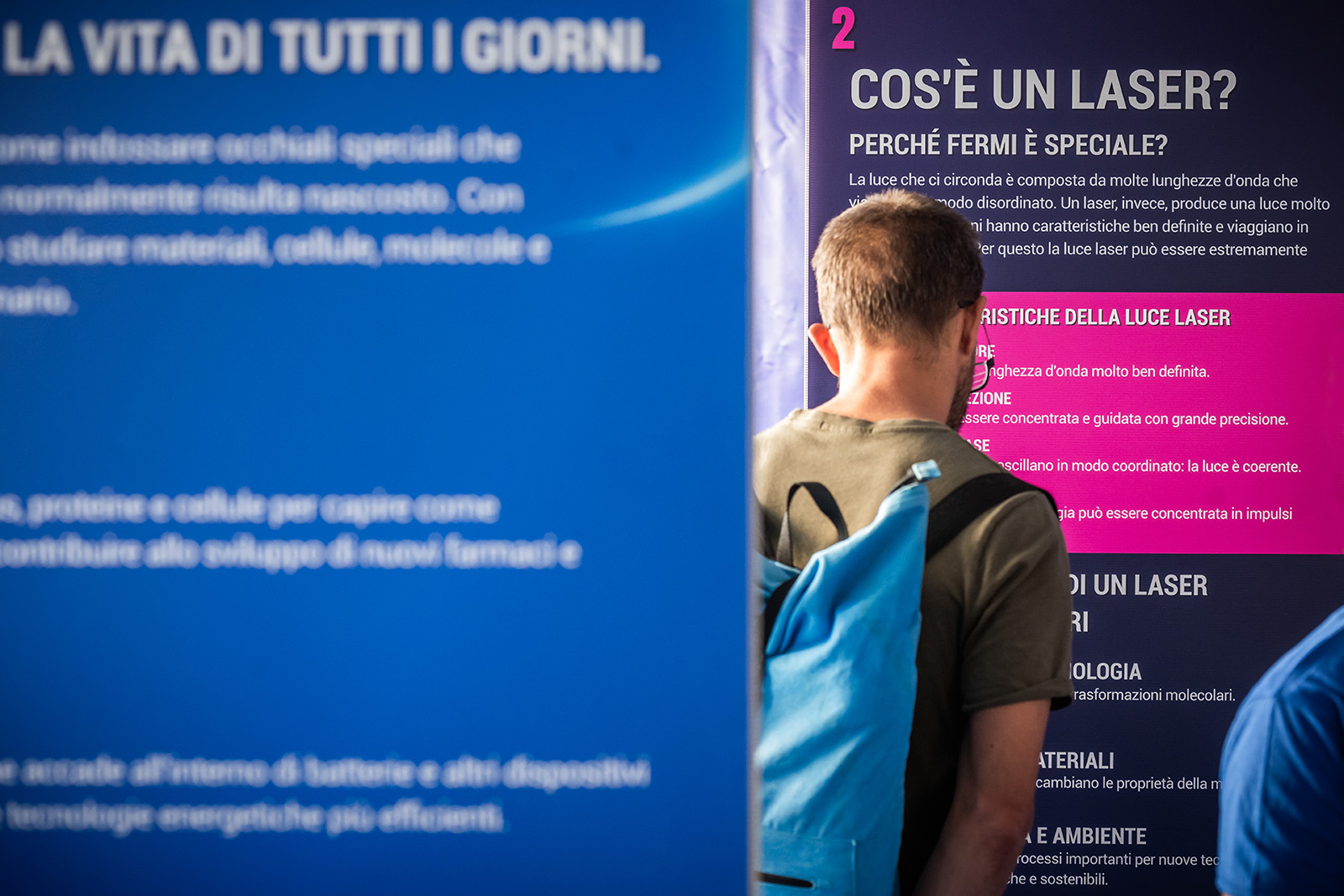
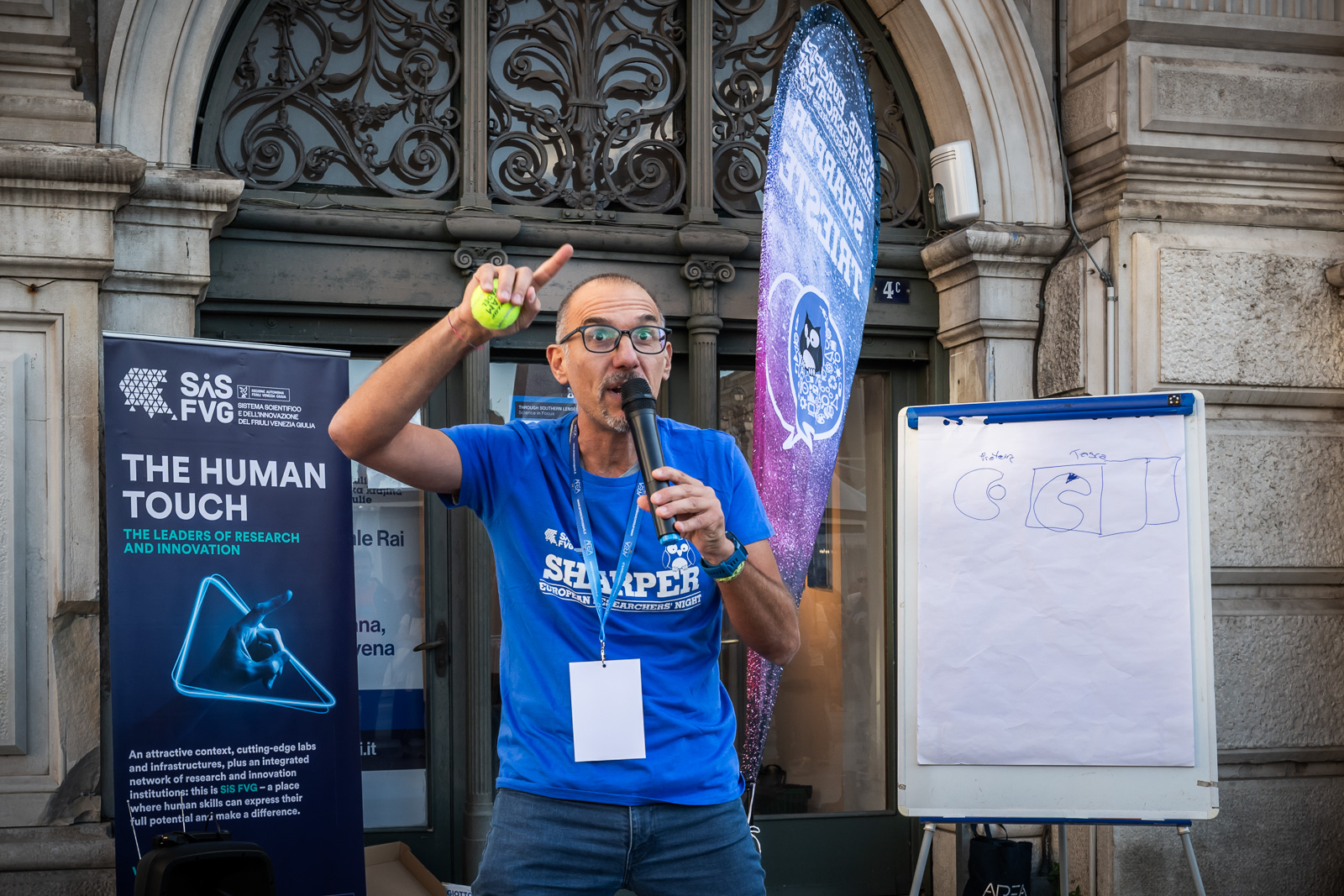
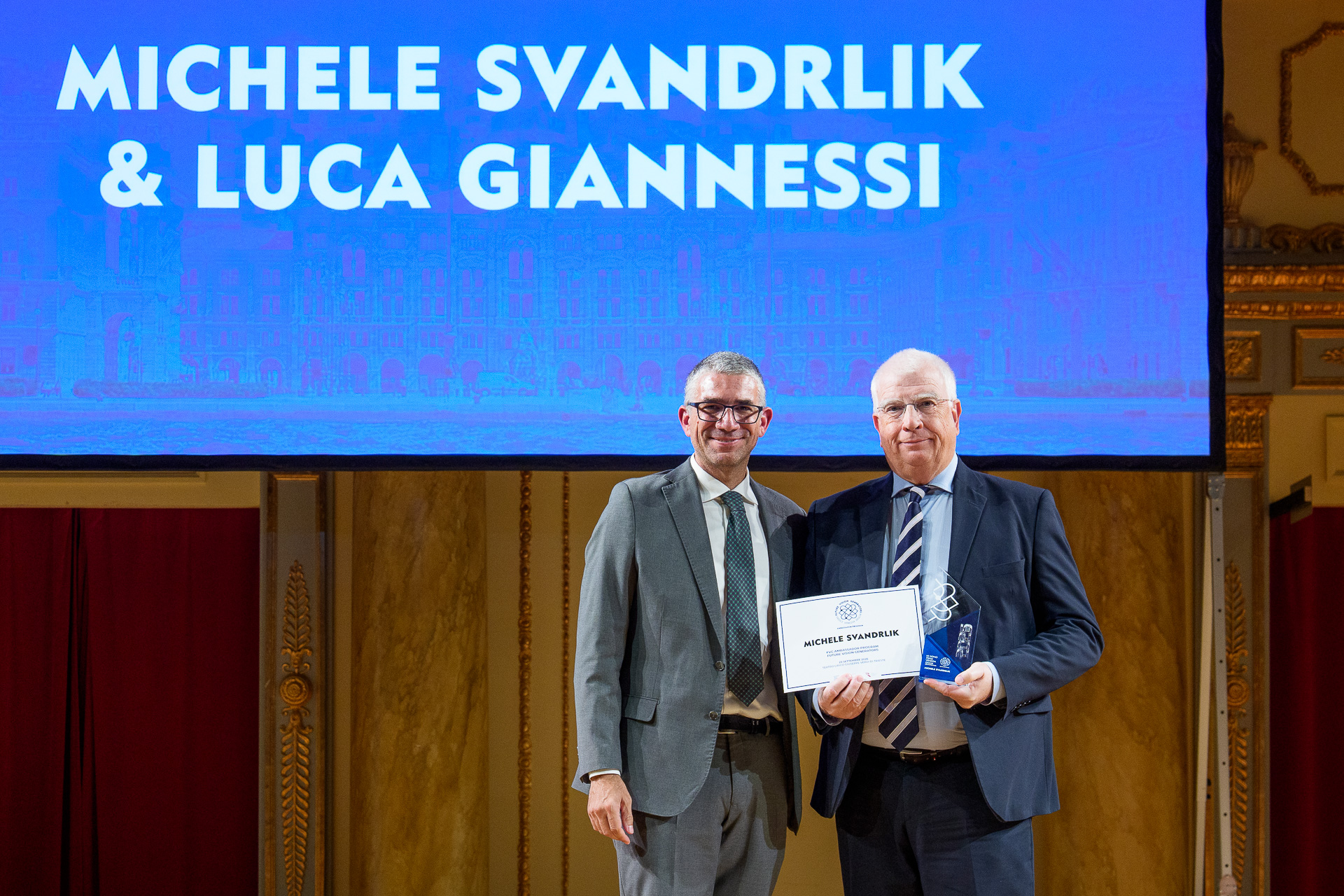
Elettra Sincrotrone Trieste at Trieste Next 2026
12 September 2026 | NEWS
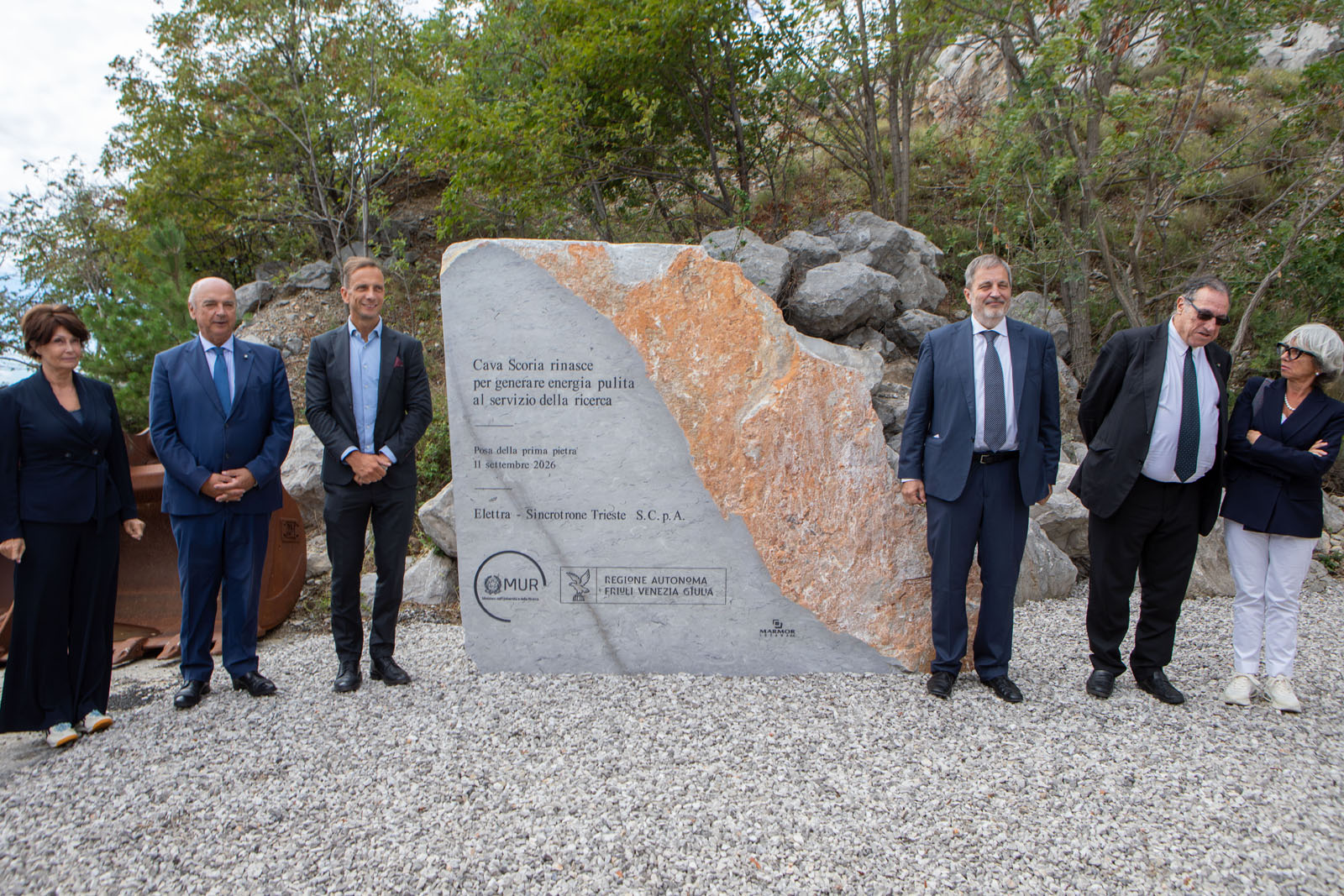
Green Energy: Elettra lays the foundation stone for its new photovoltaic park






17 November 2025 | NEWS
4th Pulsed Power Radio Frequency Sources Workshop


22 September 2025 | NEWS
GIPE25: German and Italian Physics Students at Elettra and FERMI


27 June 2025 | NEWS
Slovenian Delegation Visits Elettra Sincrotrone Trieste


29 January 2025 | NEWS