

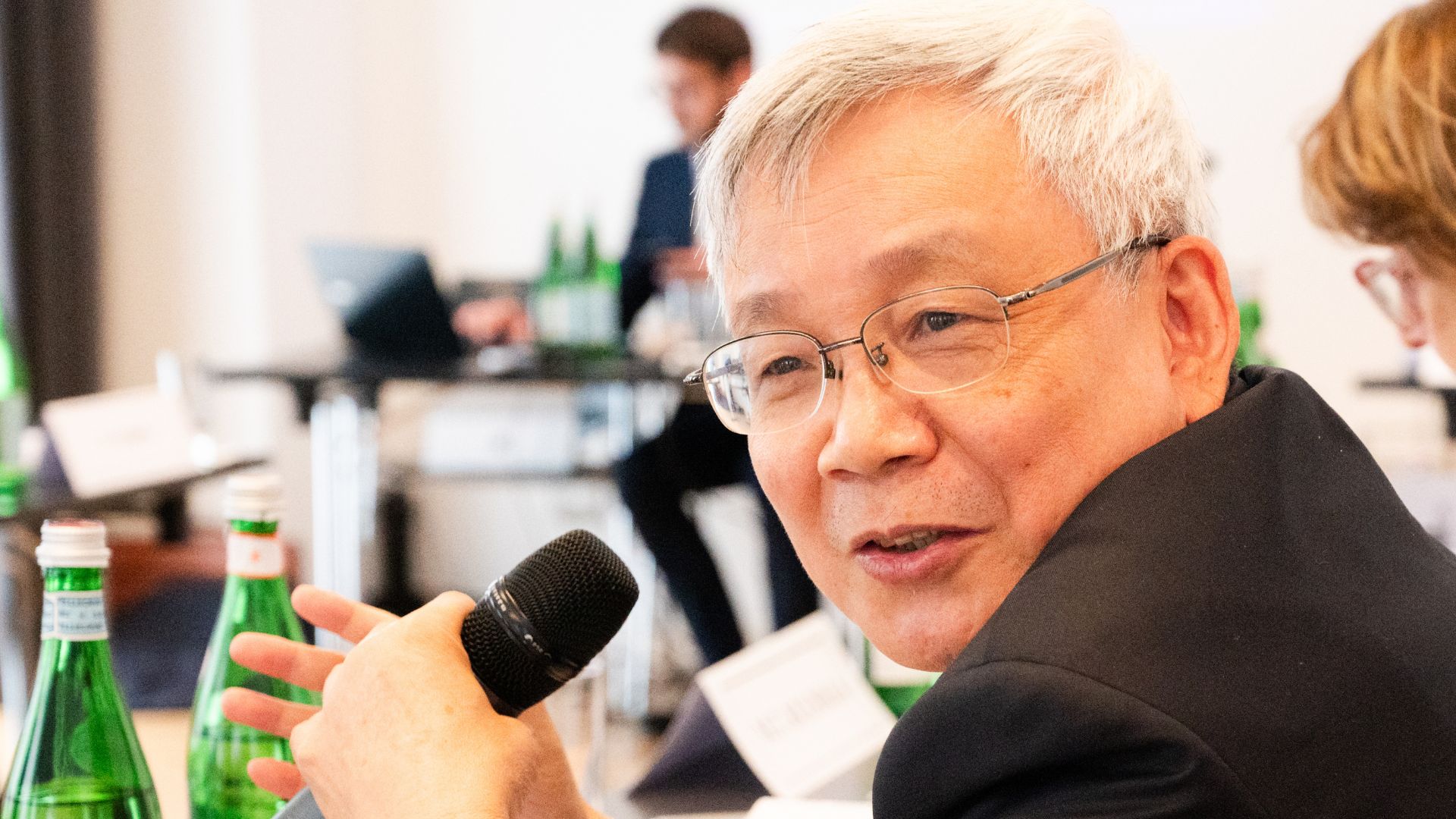
The event will develop the scientific skills of African scientists to foster a stronger scientific community across the continent.
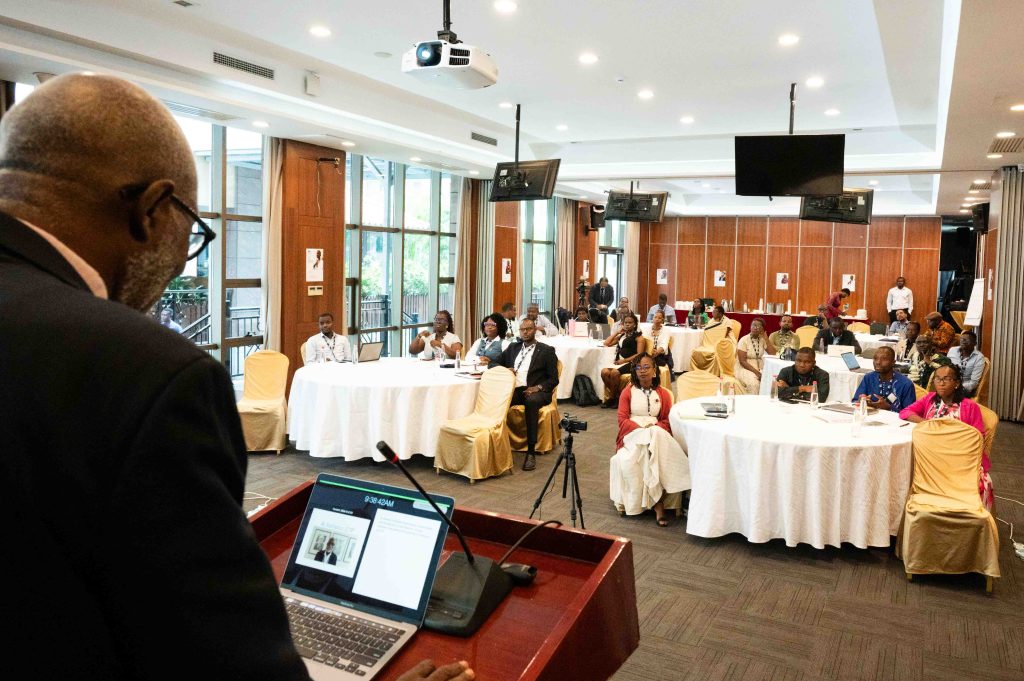
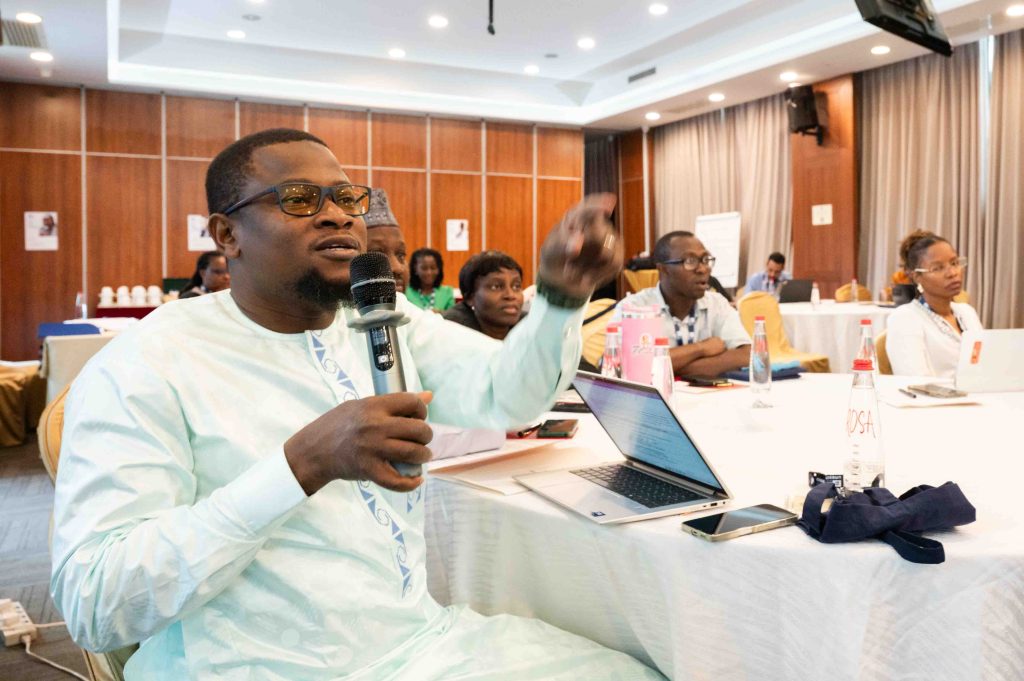
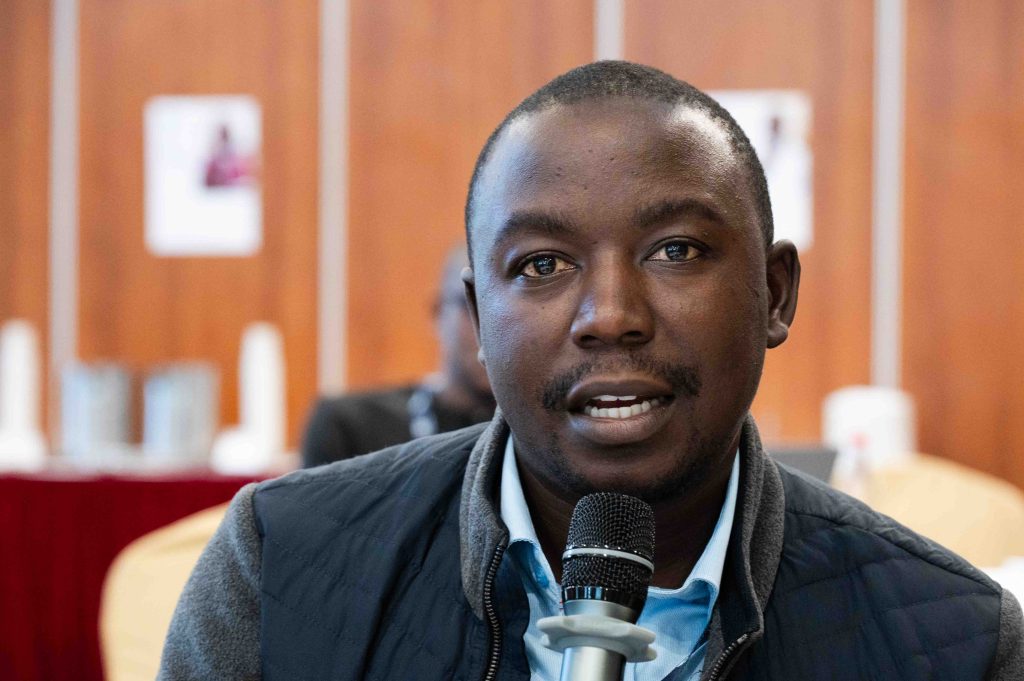
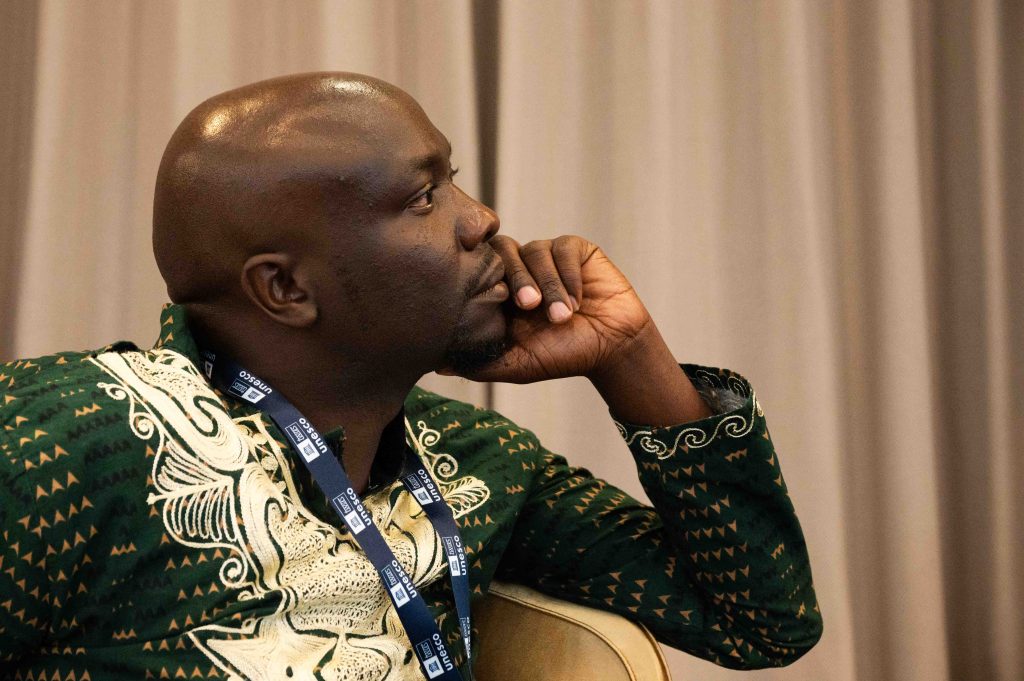
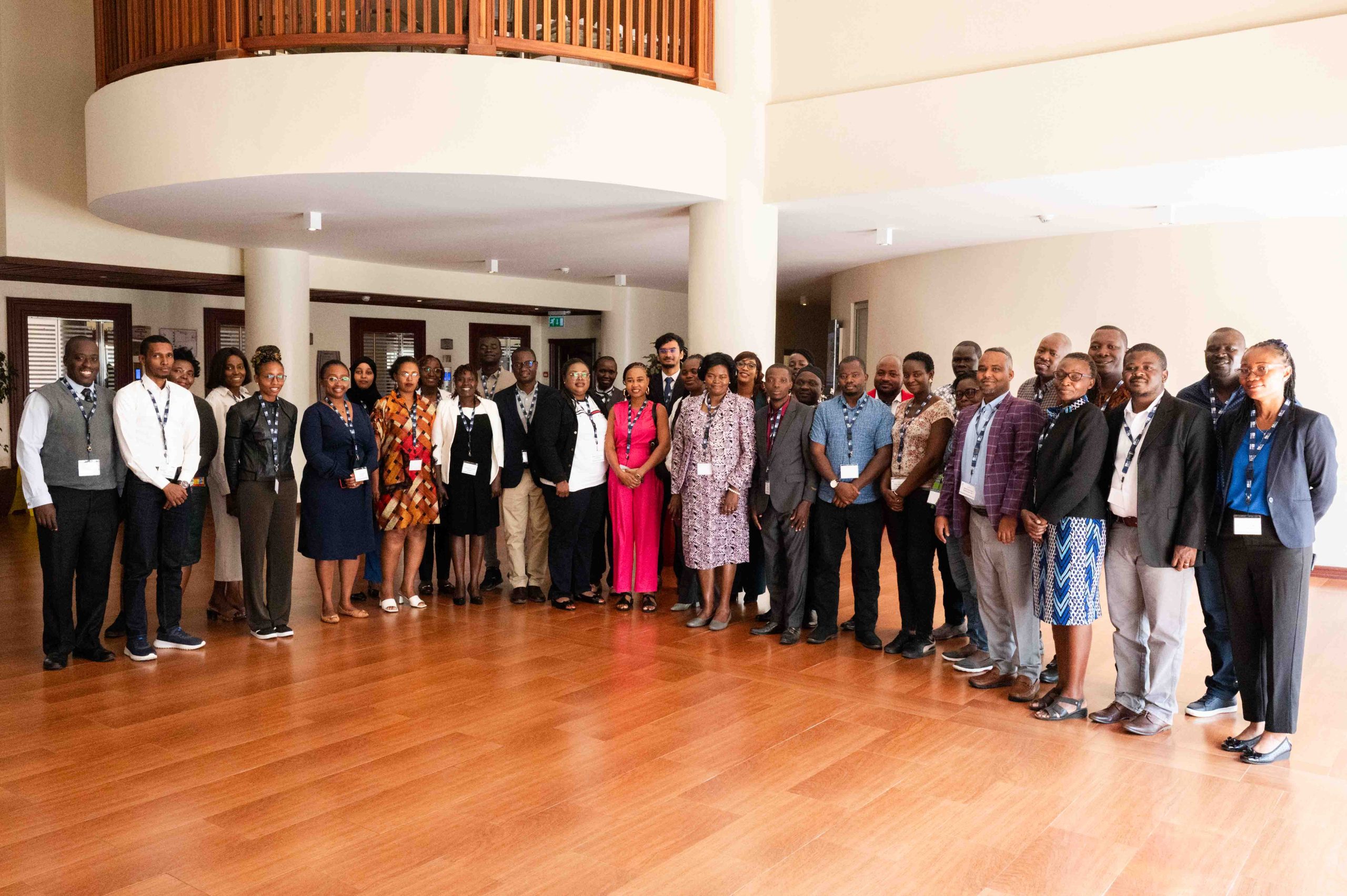
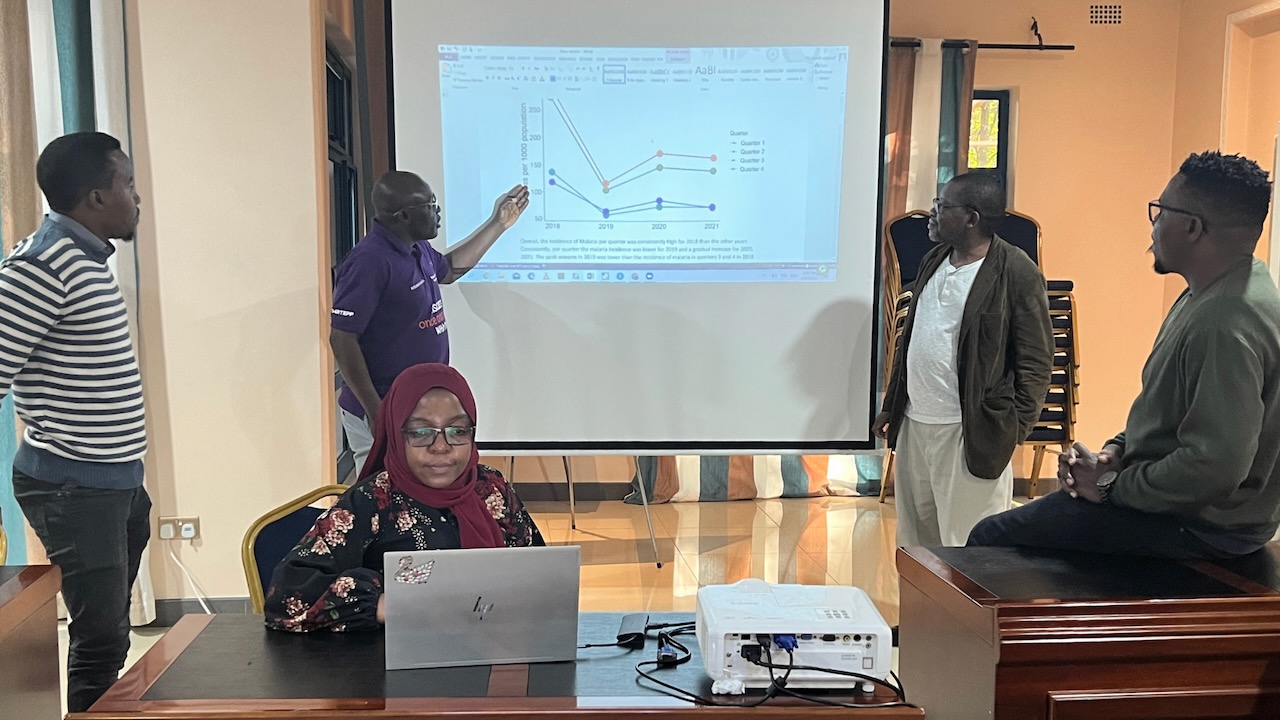
Today, 16 June, marks the opening of the 2026 TWAS Skill Building Workshop in Accra, Ghana, running until 18 June. Organized by The World Academy of Sciences for the advancement of science in developing countries (TWAS), the event brings together 26 early-career scientists supported through the Seed Grant for New African Principal Investigators (SG-NAPI) Programme.
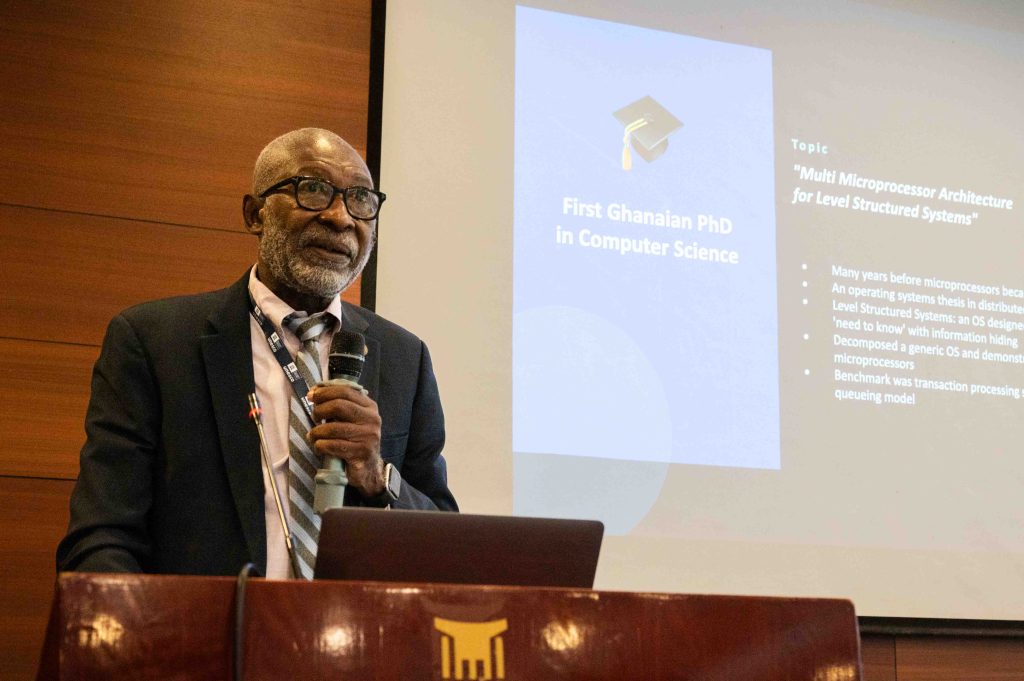
The workshop, a component of the SG-NAPI programme, supported by the Federal Ministry of Research, Technology and Space of Germany (BMFTR), aims to strengthen research capacity and foster collaboration across the continent.
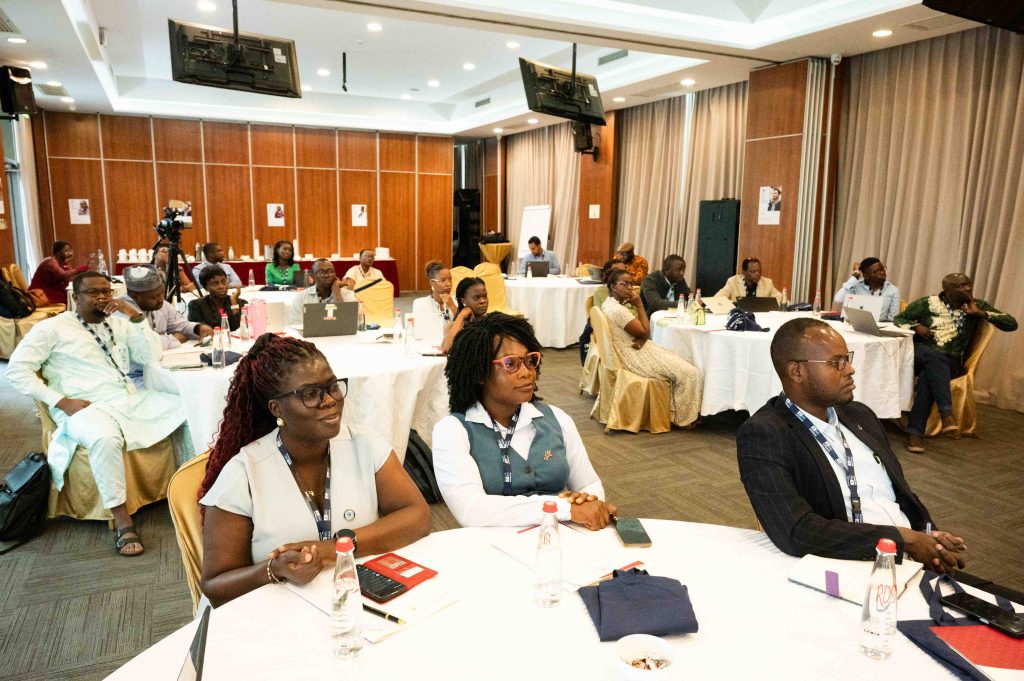
Participants come from 13 countries: Benin, Botswana, Cape Verde, Ethiopia, Ghana, Kenya, Malawi, Mali, Mauritania, Nigeria, Rwanda, Tanzania, and Uganda.
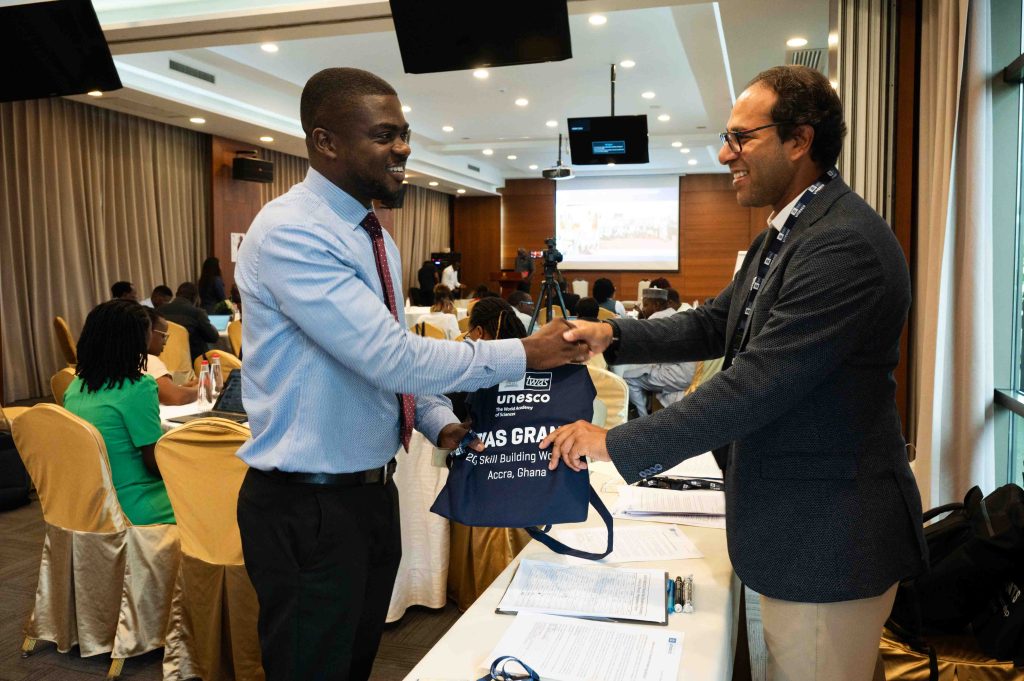
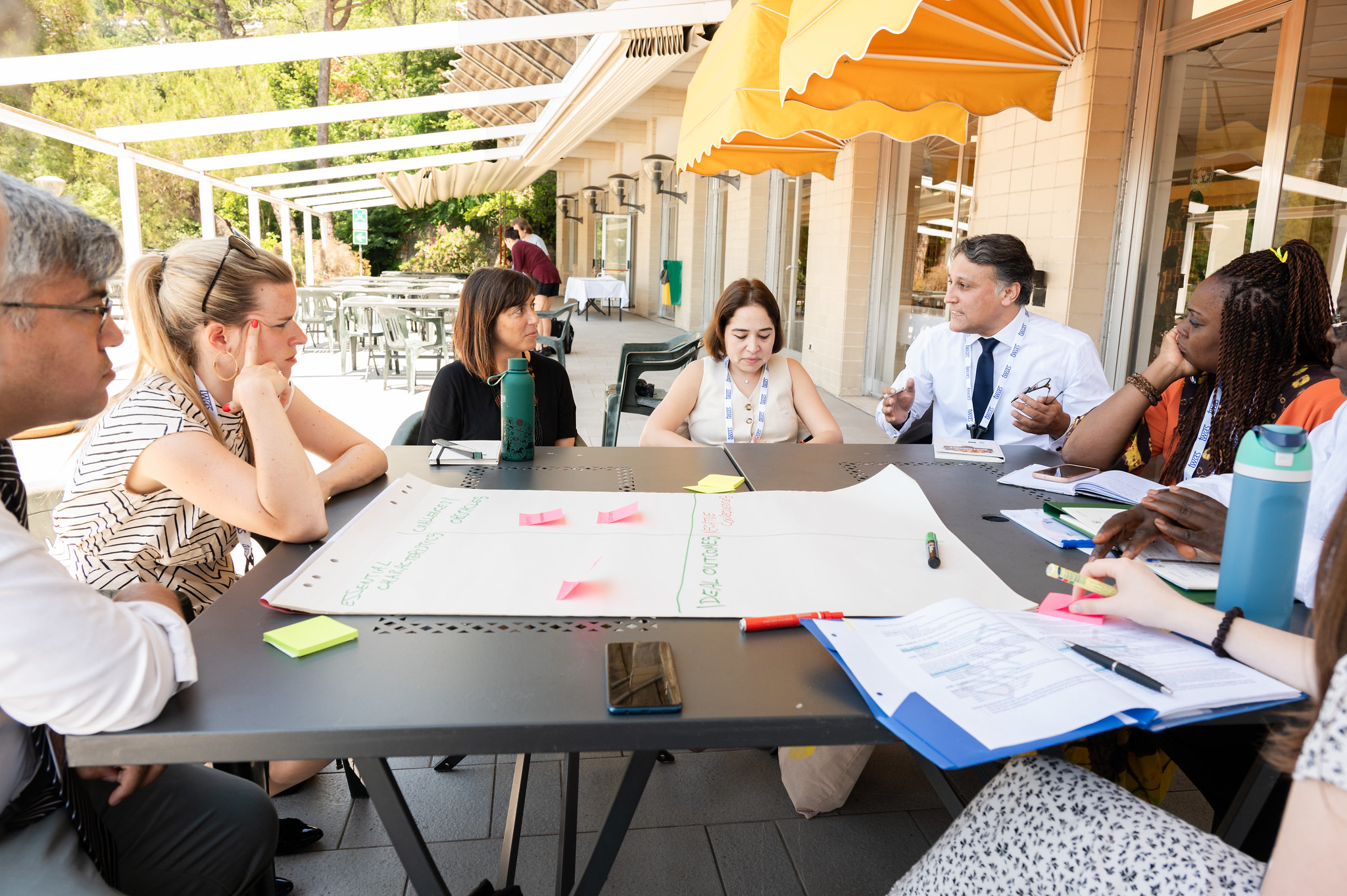
Over three days, participants will engage in expert-led sessions on scientific writing, responsible AI in science, science communication, importance of mentoring, and transdisciplinary research for sustainable development in Africa. The programme also includes networking activities designed to spark new partnerships and collaborative projects, and a keynote lecture by Prof. Nii Narku Quaynor. Known as the ‘father of the Internet in Africa’, in 1994 he established the first Internet service provider in Ghana and West Africa, and played a major role in implementing the new technology throughout sub-Saharan Africa.
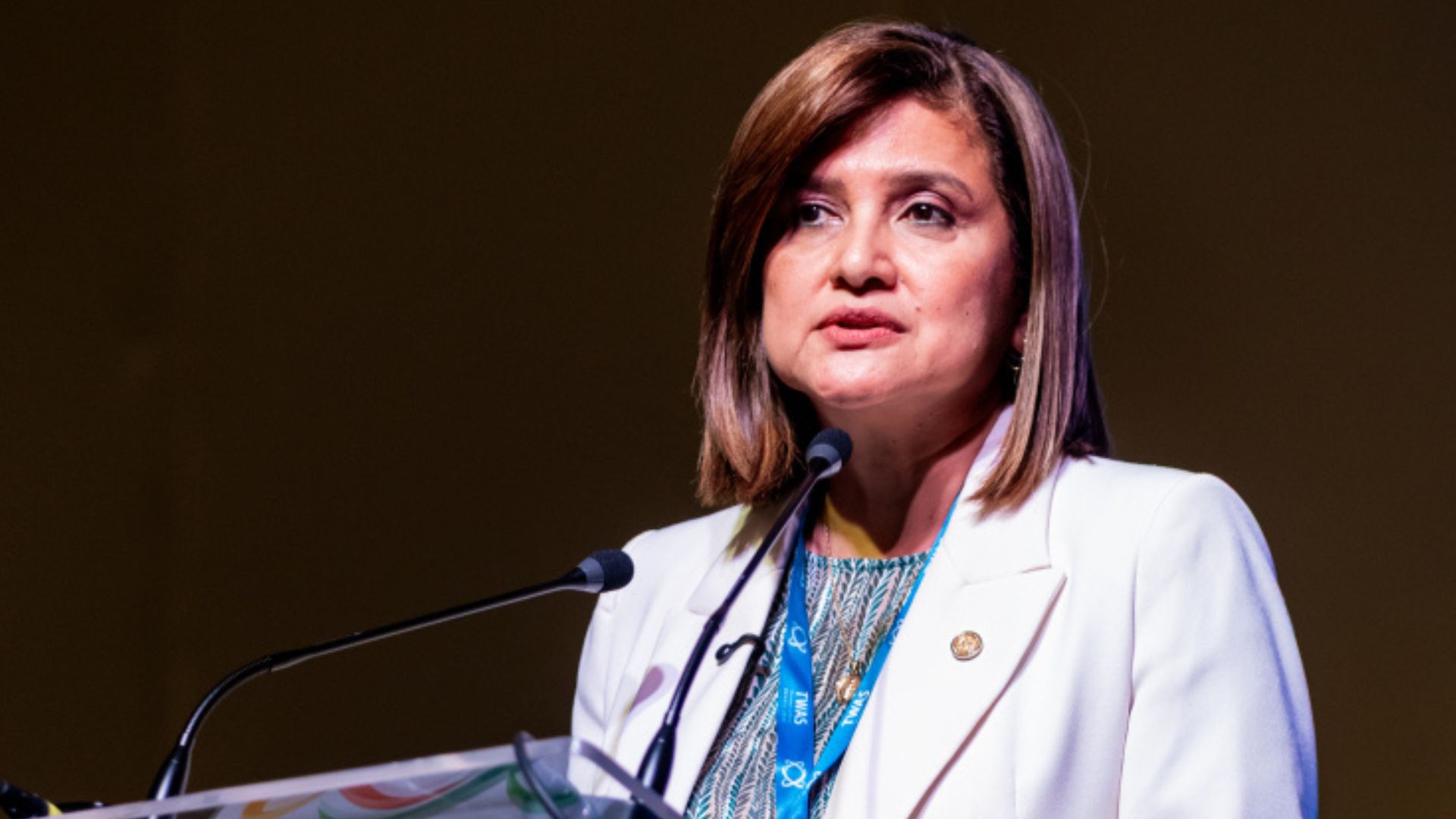
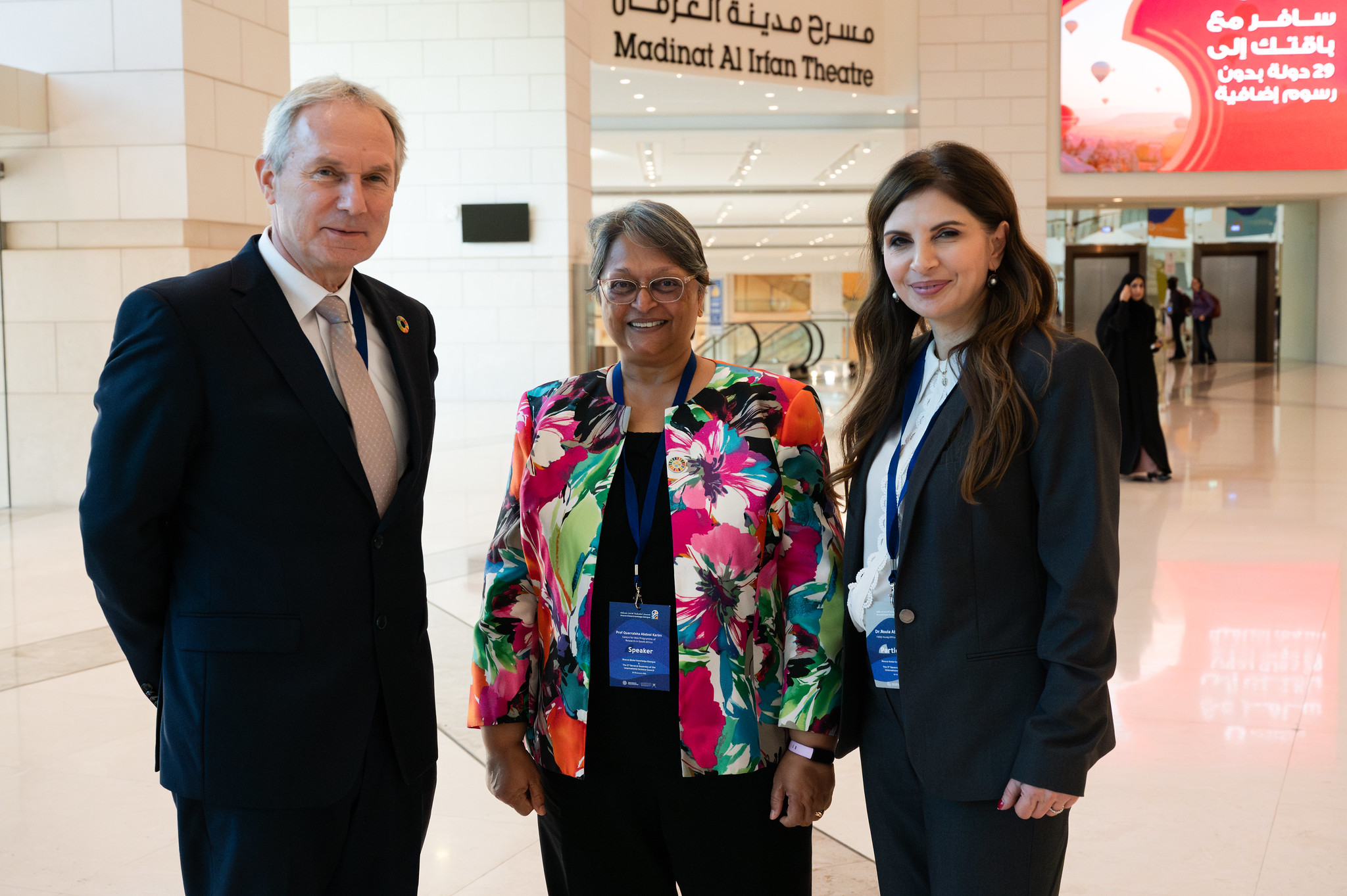
“This workshop reflects TWAS’s commitment to strengthening not only individual researchers, but the wider systems that support science and education in Africa. The current Ebola outbreak in the Democratic Republic of the Congo and the absence of effective diagnostics, treatment and vaccines underscore the importance of investing in skills, collaboration, and capacity to help create the conditions for lasting impact,” said TWAS President Quarraisha Abdool Karim.
The SG-NAPI grant is a TWAS programme, launched in 2021. It helps early-career researchers who have obtained their PhD abroad and have recently returned to Africa, or will shortly return to an academic position in their home country. Grants up to USD 67,700 are awarded to promising high-level research projects in agriculture, biology, chemistry, Earth sciences, engineering, information and computer technology, mathematics, medical sciences, and physics carried out in African countries that TWAS has identified as lagging in science and technology.
The awarded projects have a significant transformative potential and are carried out in one of the eligible countries. To date, the programme has launched five calls, and assigned 124 grants.
La TWAS
Da oltre 40 anni, l’Accademia mondiale delle scienze per il progresso scientifico nei paesi in via di sviluppo (TWAS) è una forza trainante nello sviluppo delle capacità scientifiche nel Sud globale. Fondata nel 1983 a Trieste, Italia, la TWAS promuove una prosperità sostenibile attraverso ricerca, istruzione, politiche e diplomazia. In collaborazione con i suoi partner, la TWAS ha formato oltre 1.300 dottori di ricerca e assegnato più di 2.300 borse post-dottorato a scienziati dei Paesi in via di sviluppo. L’Accademia ha inoltre conferito oltre 1.200 premi, finanziato più di 2.870 progetti di ricerca, formato oltre 750 persone nella diplomazia scientifica e sostenuto più di 1.400 scambi accademici. La TWAS è un’unità di programma dell’UNESCO.
More news


28 November 2025 | NEWS
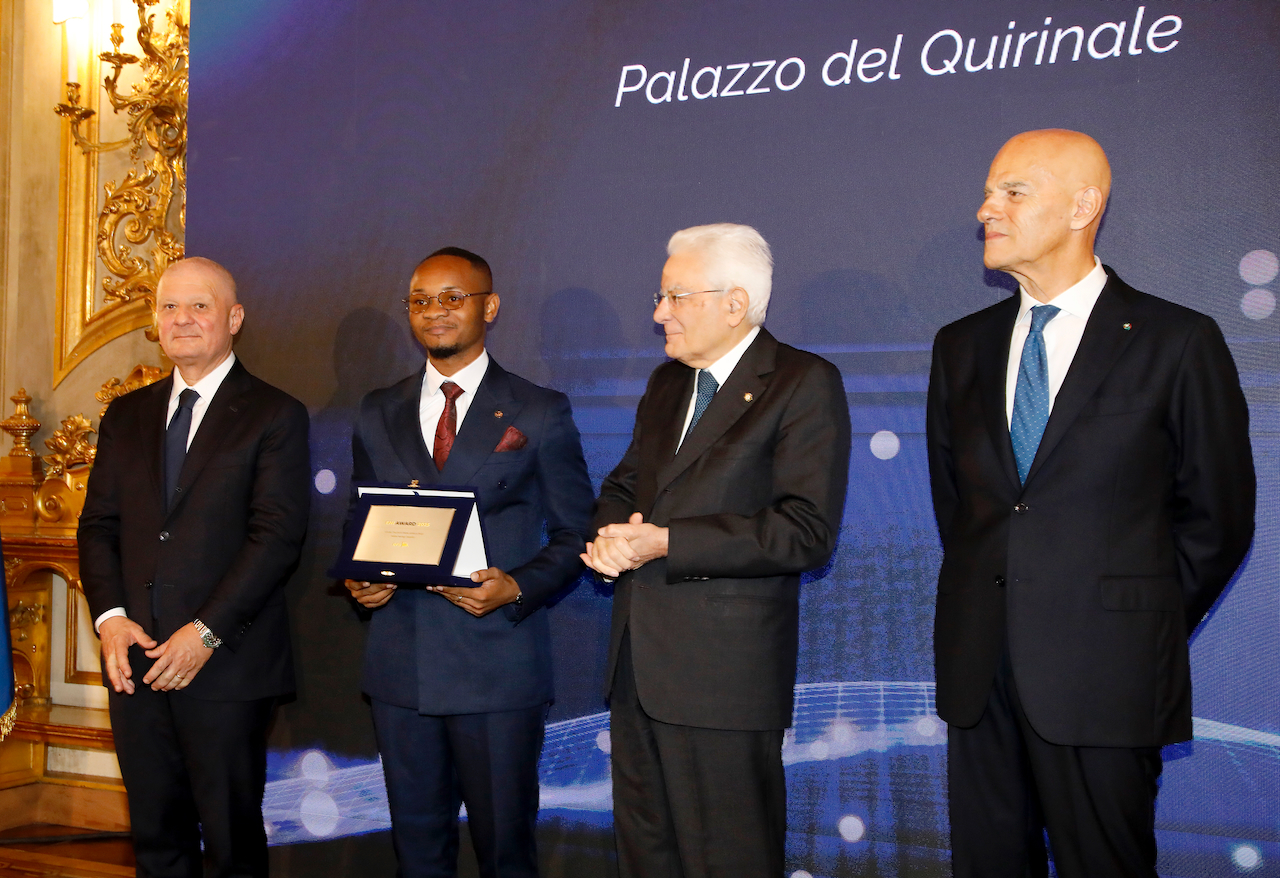
Italian President Sergio Mattarella presents Eni Award to TWAS-supported researcher
10 January 2025 | NEWS