

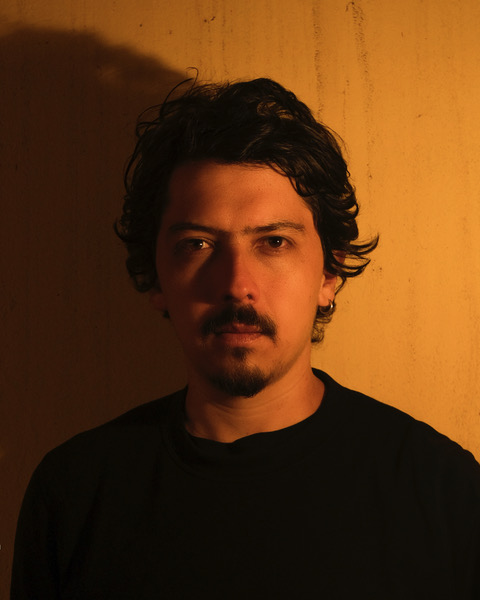
Musuk Nolte, from Peru, wins the first international photography prize launched by the Conrado Wessel Foundation (FCW) in partnership with TWAS, with the essay “Planting Water”.
The Conrado Wessel Foundation (FCW) and The World Academy of Sciences for the Advancement of Science in Developing Countries (TWAS) announce the winner of the inaugural edition of the Through Southern Lenses: Science in Focus award: Musuk Nolte, from Peru, with the essay “Planting Water.”
 The winning work stood out among submissions from photographers representing all corners of the global South. In its first edition, the prize attracted submissions from 26 countries across four continents, reflecting the global reach and relevance of the initiative among photographers and scientists from the global South. Musuk Nolte will receive the prize of US$ 20,000 at an award ceremony to be held in May at the Brazilian Embassy in Rome, followed by an exhibition featuring the winning photo essay.
About the Winner
Musuk Nolte (Mexico City, 1988, naturalized Peruvian) is a documentary and artistic photographer whose work focuses on cultural, social, and environmental issues. A National Geographic Explorer, he is currently developing a long-term project on South American water systems and the climate-driven water crisis, with a focus on the Andes and Amazonia, where he documents the impact of severe droughts and floods on local communities.
His work has been featured in museums and photography biennials across France, Singapore, South Korea, Brazil, and Spain. Beyond photography, he is the director of KWY Ediciones, an independent photography publisher supporting Latin American authors, and has published eight books, including Geographies of Water.
About the Essay
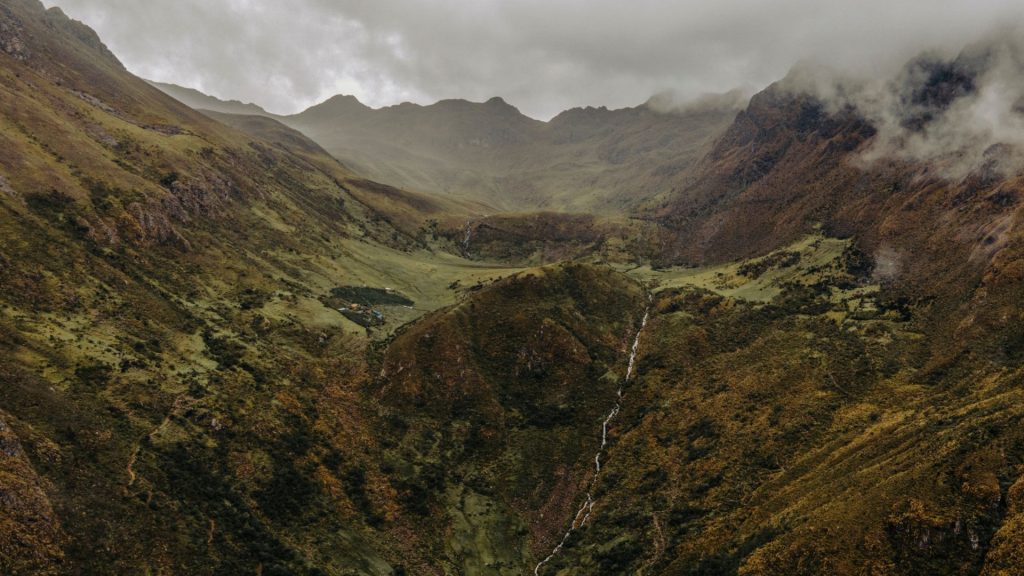
Planting Water | During the rainy season in the Peruvian Andes, the communities of Cusco, supported by ECOAN, have revived an ancestral technique known as “planting water.” It consists of collecting rainwater in wells so it can infiltrate the subsoil and be used in the dry season.
The practice is now complemented by planting Queñual, a native shrub that improves water infiltration in highland soils.
It also integrates modern seed-adaptation techniques, creating a bridge between ancestral knowledge and contemporary science. This collective work prepares communities for extreme events such as the severe droughts of the last decade. The “Queñual Raymi,” inspired by Inca traditions of ayni and minka, brings people together to plant up to 150,000 shrubs in a single day, strengthening identity and promoting a sustainable relationship with the land.
About the Prize
Through Southern Lenses: Science in Focus is an annual international photography prize that celebrates scientific excellence in the developing world through the lens of photography. The initiative is a collaboration between the FCW and TWAS, a programme unit of UNESCO dedicated to strengthening scientific capacity and excellence in the global South. The prize aims to highlight scientific achievements, challenges, and human stories from developing countries, using photography as a dynamic tool for science communication that transcends linguistic and cultural barriers.
The inaugural theme, ‘Glaciers and Deserts’, invited photographers to explore the visible impacts of climate change – from the melting of glaciers to the expansion of deserts – and to highlight the resilience and adaptation of ecosystems and communities in developing countries. Each submitted essay comprised ten original photographs, with AI-generated content excluded from the competition.
“Receiving the Through Southern Lenses award is a recognition I accept with great respect and gratitude, as it represents both an opportunity and an incentive to continue documenting the environmental and social processes we are living through. This recognition also allows me to fulfil one of the main purposes for which I work on these stories: to reach and raise awareness among a global audience about the transformation our planet is undergoing, with a particular emphasis on the most vulnerable communities and geographies. Thanks to this award, I hope to keep adding stories to this complex web where water connects territories, testimonies, and memories,” said Musuk Nolte, winner of the inaugural Through Southern Lenses: Science in Focus award.
“The success of this first edition surpassed our expectations and confirms that there is a powerful, urgent story to be told through the eyes of scientists and photographers from the global South. Receiving entries from 26 countries and four continents shows that Through Southern Lenses has become a true global platform. We are proud to celebrate this winner and to continue building bridges between art and science, fostering a culture of curiosity and engagement,” said Carlos Vogt, President of the Conrado Wessel Foundation
“We are amid a climate crisis, and everyone has a role to play. Photographers have the unique power to move people to act through the images they capture, and I am proud to see this initiative helping shine a light on the communities and scientific efforts working to address one of the most pressing challenges of our time,” said Marcelo Knobel, Executive Director of TWAS.
Jury
The winning essay was selected by a distinguished international jury:
Mercedes Bustamante, Professor at the University of Brasília and one of Brazil’s most renowned scientists, particularly in the field of climate change
Olubukola Oluranti Babalola, TWAS Vice President for Africa and Professor at the North-West University
Ogechi Ekeanyanwu, SciDev.Net Regional Coordinator for Sub-Saharan Africa (English)
Maira C. Gamarra, curator, editor, cultural manager and researcher
Giovanni Ortolani, TWAS Public Information Officer
Rubens Fernandes Junior, Professor at the Fundação Armando Alvares Penteado
About FCW
The Conrado Wessel Foundation (FCW) supports charitable, cultural, artistic, and scientific initiatives in Brazil. Since 2002, FCW has awarded the prestigious FCW Prize to individuals and organizations of national distinction in various fields. The Foundation also hosts the annual FCW Photography Prize, which celebrates the work of outstanding Brazilian photographers.
About TWAS
For over 40 years, The World Academy of Sciences for the advancement of science in developing countries (TWAS) has been a leading force in developing crucial scientific capability in the global South. A global science academy founded in 1983 in Trieste, Italy, TWAS supports sustainable prosperity through research, education, policy, and diplomacy. With its partners, TWAS has graduated over 1,300 PhDs and awarded more than 2,300 postdoctoral fellowships to developing world scientists. The Academy also bestowed over 1,200 prizes, awarded over 2,870 research grants, trained over 750 individuals in science diplomacy, and supported over 1,400 exchange visits. TWAS is a programme unit of UNESCO.
Musuk Nolte, dal Perù, vince la prima edizione del premio internazionale di fotografia lanciato dalla Fondazione Conrado Wessel in collaborazione con la TWAS, con il saggio fotografico ‘Planting Water.
La Fondazione Conrado Wessel (FCW) e l’Accademia mondiale delle scienze per il progresso scientifico nei paesi in via di sviluppo (TWAS) annunciano il vincitore della prima edizione del premio Through Southern Lenses: Science in Focus: Musuk Nolte, dal Perù, con il saggio fotografico ‘Planting Water’. Il progetto vincitore si è distinto tra le proposte ricevute da fotografi provenienti da ogni parte del Sud globale.
Nella sua prima edizione, il premio ha attirato candidature da 26 Paesi in quattro continenti, a testimonianza della rilevanza e della portata globale dell’iniziativa tra fotografi e scienziati del Sud globale. Musuk Nolte riceverà un premio di 20.000 dollari durante una cerimonia che si terrà a maggio presso l’Ambasciata del Brasile a Roma, seguita da una mostra dedicata al saggio fotografico vincitore.
Il vincitore
Musuk Nolte — nato a Città del Messico nel 1988 e naturalizzato peruviano — è un fotografo documentarista e artistico il cui lavoro si concentra su temi culturali, sociali e ambientali. Explorer di National Geographic, sta attualmente sviluppando un progetto a lungo termine sui sistemi idrici sudamericani e sulla crisi dell’acqua legata al clima, con particolare attenzione al Lago Titicaca, dove documenta l’impatto della grave siccità sulle comunità locali. Le sue opere sono state esposte in musei e biennali di fotografia in Francia, Singapore, Corea del Sud, Brasile e Spagna. Oltre alla fotografia, è cofondatore di KWY Ediciones, una casa editrice fotografica indipendente che sostiene autori latinoamericani, e ha pubblicato otto libri, l’ultimo dei quali è Geographies of Water.
Il saggio fotografico del vincitore
Planting Water – Durante la stagione delle piogge nelle Ande peruviane, le comunità di Cusco, con il supporto di ECOAN, hanno recuperato una tecnica ancestrale nota come “semina dell’acqua”. La tecnica consiste nel raccogliere l’acqua piovana in pozzi affinché possa infiltrarsi nel sottosuolo ed essere utilizzata nella stagione secca. Questa pratica è oggi integrata con la piantumazione del Queñual, un arbusto autoctono che migliora l’infiltrazione dell’acqua nei terreni d’alta quota. Include inoltre tecniche moderne di adattamento dei semi, creando un ponte tra conoscenze ancestrali e scienza contemporanea. Questo lavoro collettivo prepara le comunità ad affrontare eventi estremi come le gravi siccità dell’ultimo decennio. Il “Queñual Raymi”, ispirato alle tradizioni incaiche di ayni e minka, riunisce le persone per piantare fino a 150.000 arbusti in un solo giorno, rafforzando l’identità e promuovendo un rapporto sostenibile con la terra.
Il premio
Through Southern Lenses: Science in Focus è un premio fotografico annuale internazionale che celebra l’eccellenza scientifica nel mondo in via di sviluppo attraverso il linguaggio fotografico. L’iniziativa nasce dalla collaborazione tra la Fondazione Conrado Wessel (FCW) e l’Accademia mondiale delle scienze per il progresso scientifico nei paesi in via di sviluppo (TWAS), un’unità di programma dell’UNESCO dedita al rafforzamento delle capacità scientifiche e dell’eccellenza nel Sud globale.
Il premio mira a mettere in luce risultati scientifici, sfide e storie umane dei Paesi in via di sviluppo, utilizzando la fotografia come strumento dinamico di comunicazione della scienza capace di superare barriere linguistiche e culturali.
Il tema inaugurale, ‘Ghiacciai e deserti’, ha invitato i fotografi a esplorare gli effetti visibili del cambiamento climatico — dallo scioglimento dei ghiacciai all’espansione dei deserti — e a mettere in evidenza la resilienza e la capacità di adattamento di ecosistemi e comunità nei Paesi in via di sviluppo. Ogni saggio fotografico presentato comprendeva dieci fotografie originali; i contenuti generati dall’intelligenza artificiale erano esclusi dal concorso.
“Ricevere il premio Through Southern Lenses è un riconoscimento che accolgo con grande rispetto e gratitudine, poiché rappresenta allo stesso tempo un’opportunità e uno stimolo a continuare a documentare i processi ambientali e sociali che stiamo vivendo. Questo riconoscimento mi consente inoltre di portare avanti uno degli obiettivi principali del mio lavoro: raggiungere e sensibilizzare un pubblico globale sulla trasformazione che il nostro pianeta sta attraversando, con particolare attenzione alle comunità e ai territori più vulnerabili. Grazie a questo premio, spero di poter continuare ad aggiungere nuove storie a questa complessa rete in cui l’acqua collega territori, testimonianze e memorie,” ha commentato Musuk Nolte, vincitore della prima edizione del premio Through Southern Lenses: Science in Focus.
“Il successo di questa prima edizione ha superato le nostre aspettative e conferma che esiste una storia potente e urgente da raccontare attraverso gli occhi di scienziati e fotografi del Sud globale. Ricevere candidature da 26 Paesi e quattro continenti dimostra che Through Southern Lenses è diventata una vera piattaforma globale. Siamo orgogliosi di celebrare questo vincitore e di continuare a costruire ponti tra arte e scienza, promuovendo una cultura della curiosità e della partecipazione,” ha detto Carlos Vogt, Presidente della Fondazione Conrado Wessel.
“Siamo nel mezzo di una crisi climatica e ognuno di noi ha un ruolo da svolgere. I fotografi hanno la straordinaria capacità di smuovere le persone attraverso le immagini che catturano, e sono orgoglioso di vedere questa iniziativa sostenere la visibilità delle comunità e delle attività scientifiche impegnate in una delle sfide cruciali del nostro tempo,” ha detto Marcelo Knobel, direttore esecutivo della TWAS.
La giuria
Il saggio fotografico vincitore è stato selezionato da una giuria internazionale di alto profilo:
- Mercedes Bustamante, professoressa all’Università di Brasília e scienziata di spicco in Brasile, in particolare nel campo del cambiamento climatico
- Olubukola Oluranti Babalola, vicepresidente della TWAS per l’Africa e professoressa alla North-West University, in Sudafrica
- Ogechi Ekeanyanwu, coordinatrice regionale SciDev.Net (versione inglese) per l’Africa subsahariana
- Maira C. Gamarra, curatrice, editor, manager culturale e ricercatrice
- Giovanni Ortolani, public information officer della TWAS
- Rubens Fernandes Junior, professore alla Fondazione Armando Alvares Penteado
La Fondazione Conrado Wessel
La Fondazione Conrado Wessel (FCW) sostiene iniziative benefiche, culturali, artistiche e scientifiche in Brasile. Dal 2002 assegna il prestigioso Premio FCW a individui e organizzazioni di rilievo nazionale in diversi ambiti. La Fondazione organizza inoltre il Premio Fotografico FCW, che celebra il lavoro di fotografi brasiliani di eccellenza.
La TWAS
Da oltre 40 anni, l’Accademia mondiale delle scienze per il progresso scientifico nei paesi in via di sviluppo (TWAS) è una forza trainante nello sviluppo delle capacità scientifiche nel Sud globale. Fondata nel 1983 a Trieste, Italia, la TWAS promuove una prosperità sostenibile attraverso ricerca, istruzione, politiche e diplomazia. In collaborazione con i suoi partner, la TWAS ha formato oltre 1.300 dottori di ricerca e assegnato più di 2.300 borse post-dottorato a scienziati dei Paesi in via di sviluppo. L’Accademia ha inoltre conferito oltre 1.200 premi, finanziato più di 2.870 progetti di ricerca, formato oltre 750 persone nella diplomazia scientifica e sostenuto più di 1.400 scambi accademici. La TWAS è un’unità di programma dell’UNESCO.
More news
28 November 2025 | NEWS
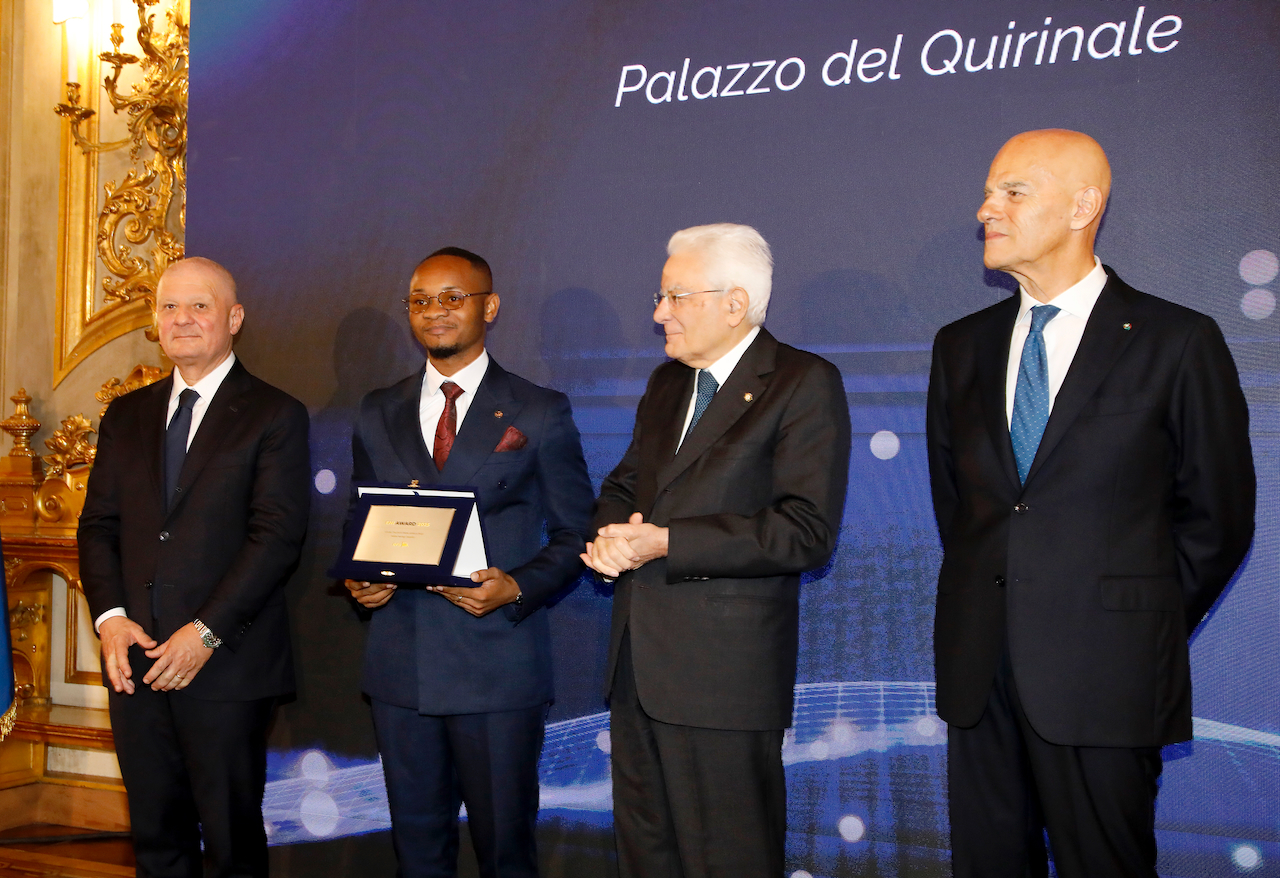
Italian President Sergio Mattarella presents Eni Award to TWAS-supported researcher

10 January 2025 | NEWS