

OWSD – The Organization for Women in Science for the Developing World



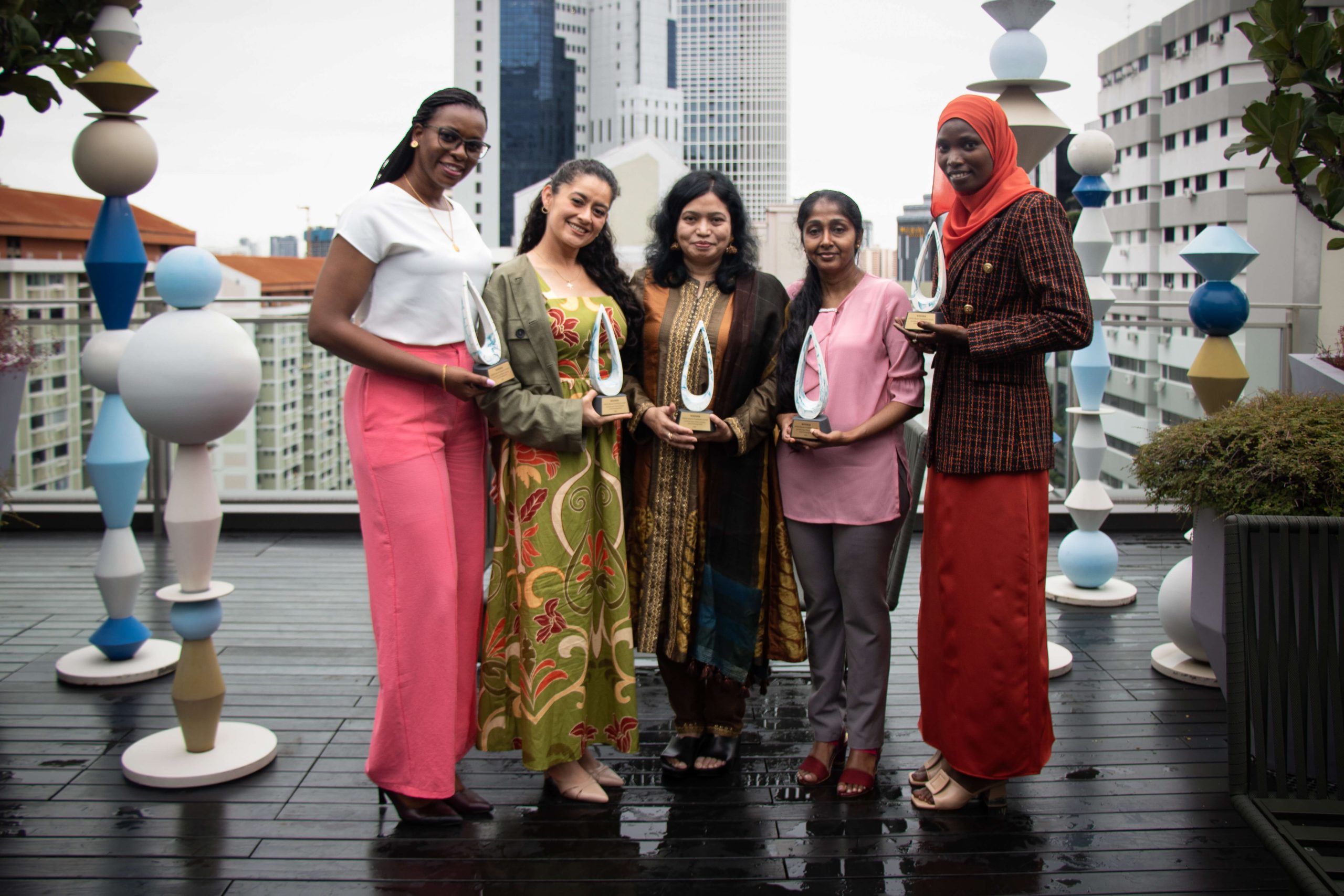
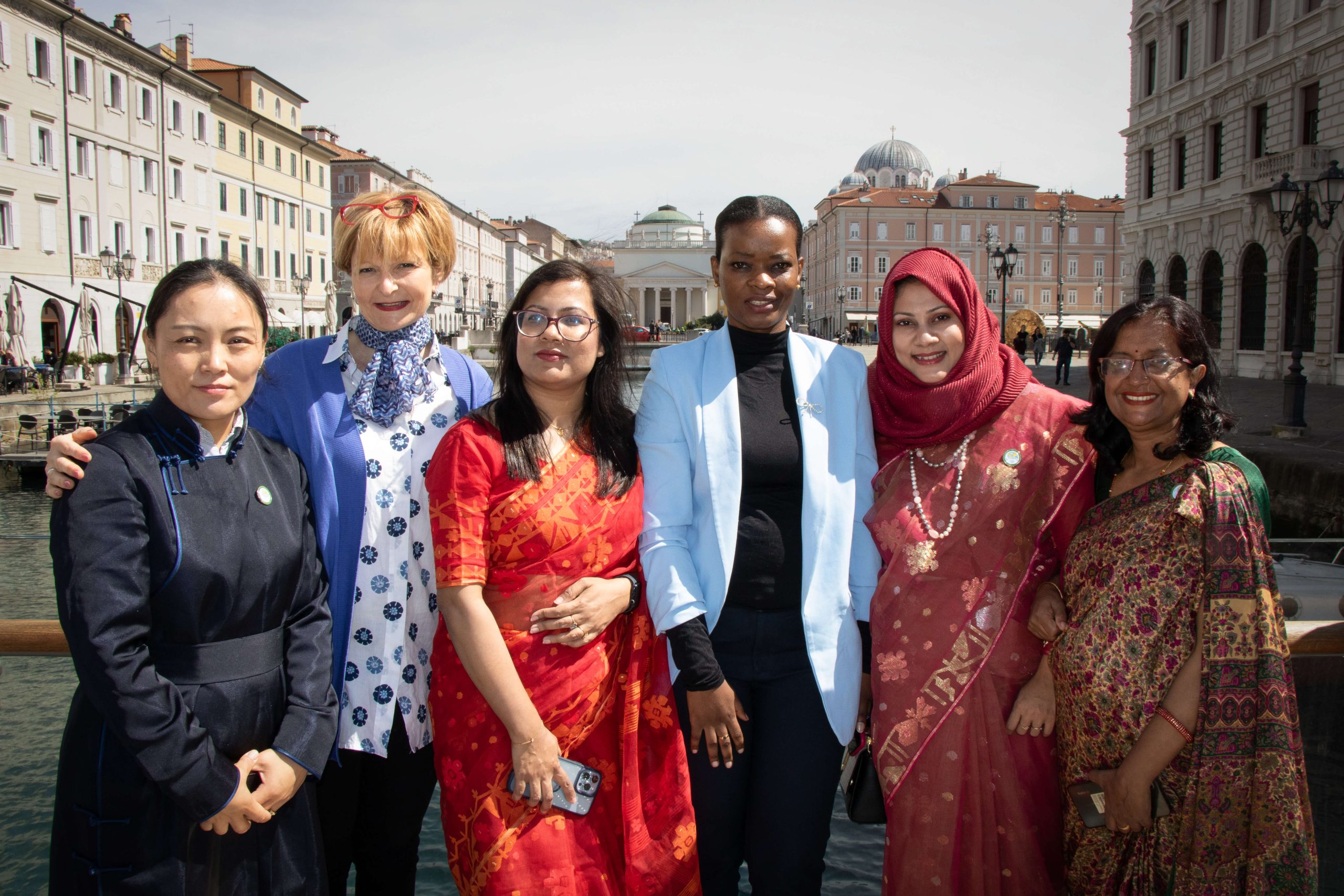
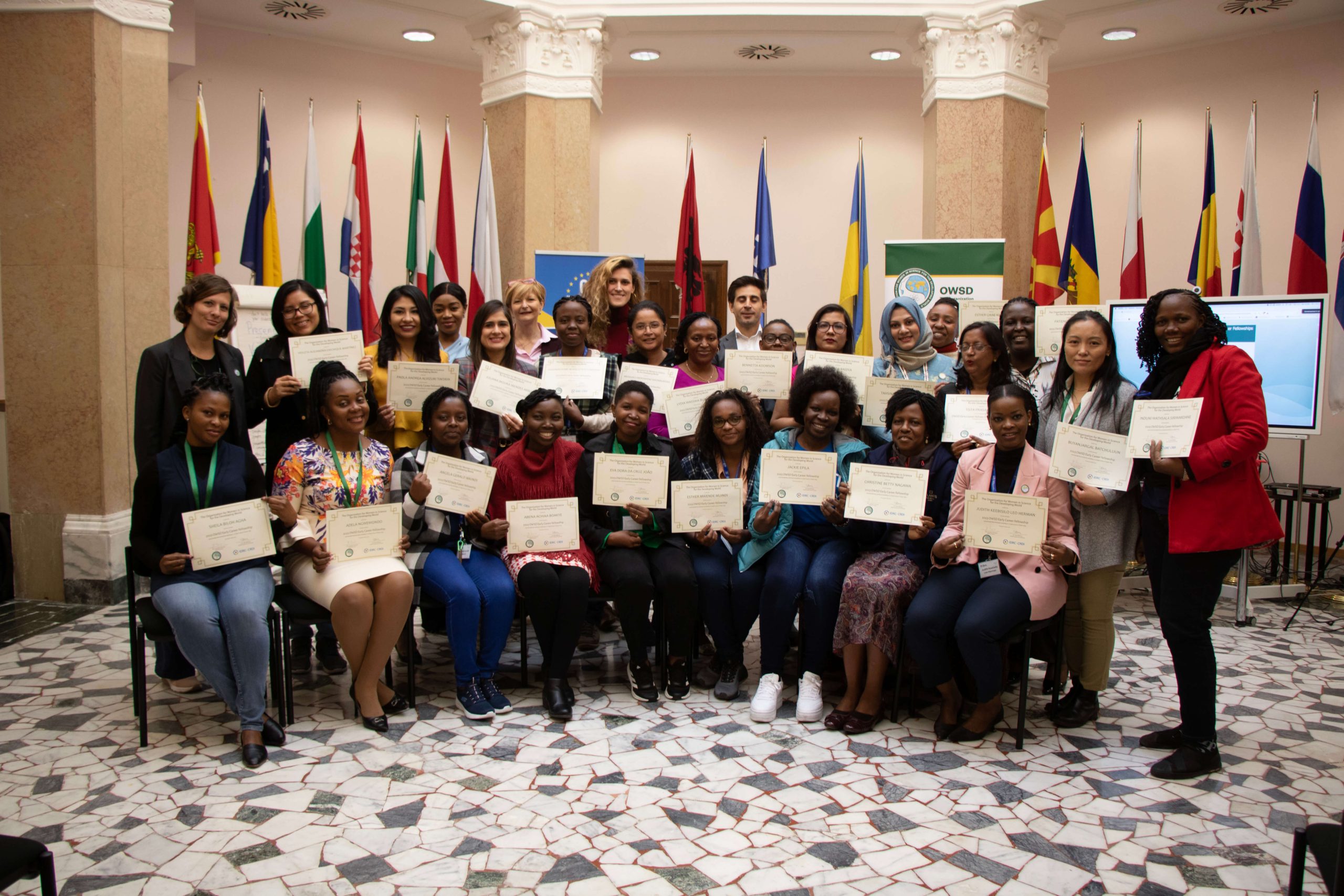
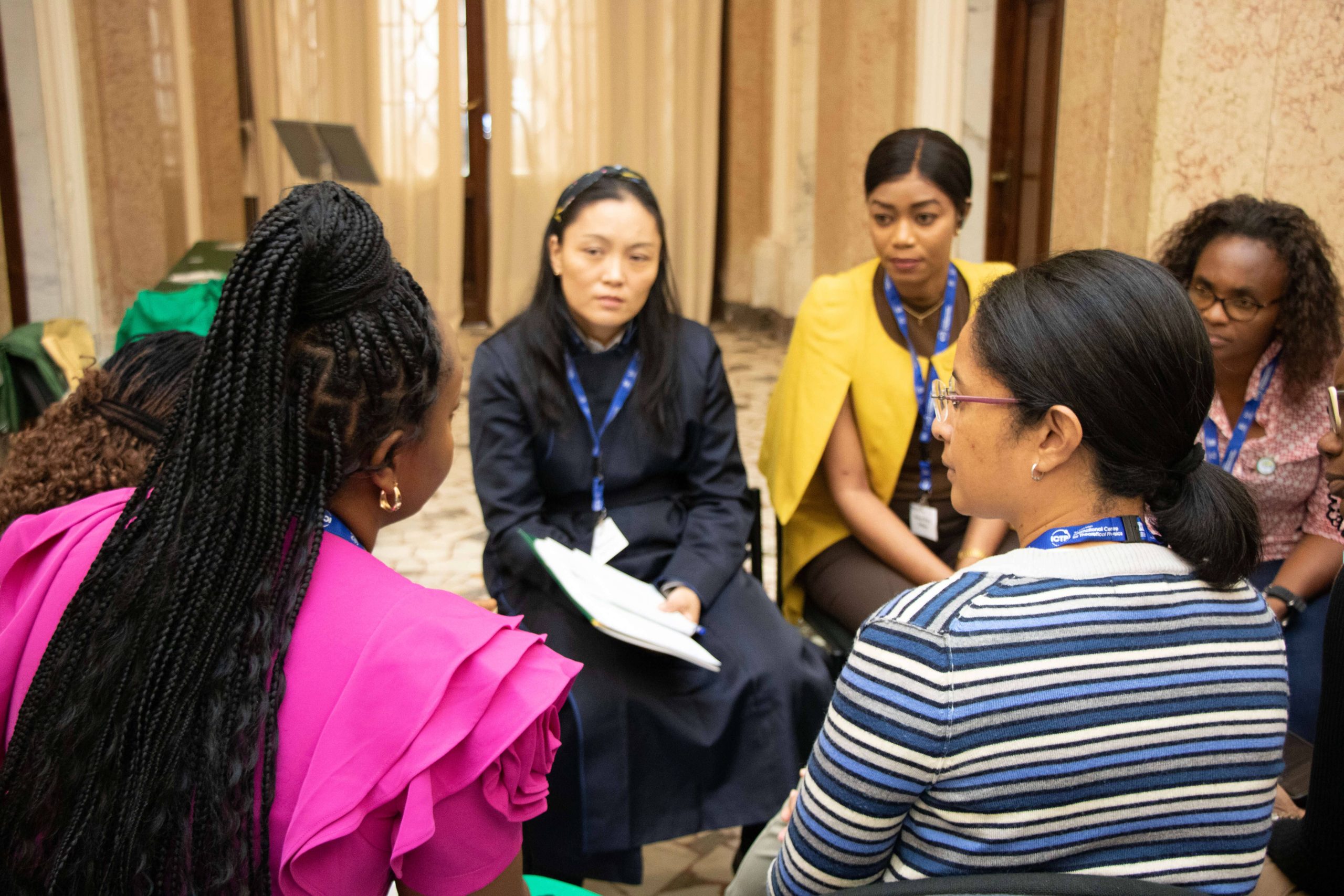
OWSD is now an international benchmark for promoting female scientific leadership in low- and middle-income countries.
Among its main strengths is a consolidated and recognised operational structure, with a large and highly qualified membership spread across the globe. The organisation combines capacity building, networking, advocacy and evidence production activities, with an approach that integrates individual skills development and institutional transformation of scientific systems.
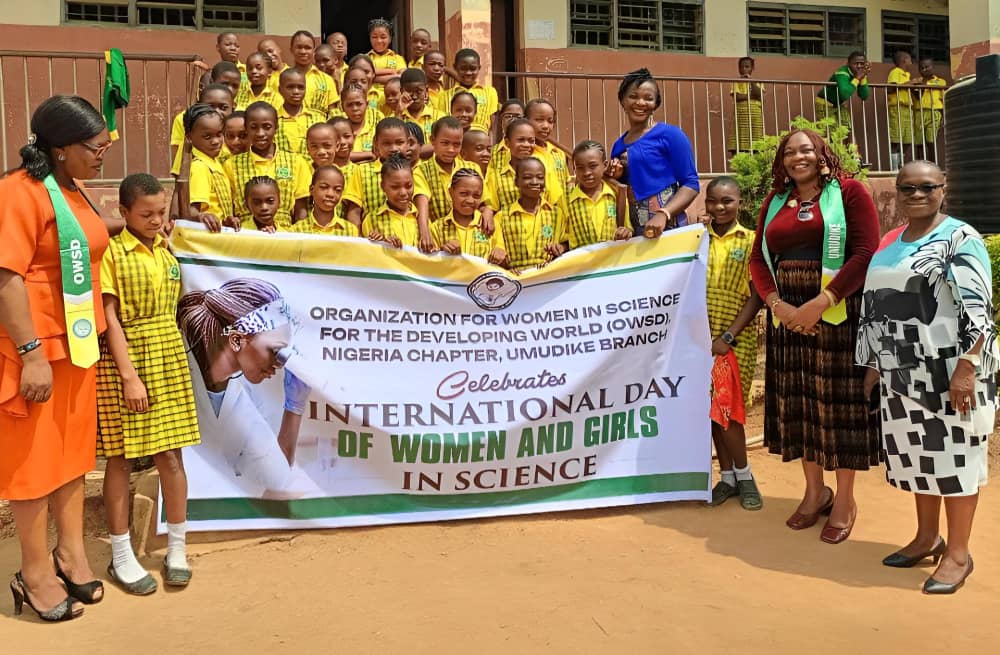
OWSD boasts an extensive network of National Chapters and former fellows, who act as multipliers of impact in their respective national contexts. Its ability to engage with universities, research institutions, international organisations and governments enables it to facilitate scientific exchanges, academic mobility and inclusive policy processes. A further strength is its thirty years of experience in managing competitive programmes and coordinating multi-country projects supported by institutional partners. The effectiveness of its activities is recognised by a large international scientific community, which considers OWSD a unique platform for consolidating women’s scientific careers and promoting more equitable access to research and innovation.
OWSD does not have its own physical infrastructure or technological equipment, as it operates as a UNESCO programme unit hosted by TWAS and ICTP.
However, one of the main structural effects of the organisation concerns the network of laboratories and scientific facilities created or upgraded by Early Career Fellows in universities and research centres in Africa, Asia, Latin America and Arab countries. Through the support provided by OWSD, these researchers activate research environments equipped with specialised instrumentation (in life sciences, physics, engineering, ICT, health and the environment), helping to expand access to advanced technologies in low- and middle-income countries.
This impact is reinforced by the organisation’s ability to mobilise institutional partners such as UNESCO, TWAS, ICTP, Science Granting Councils and universities, which provide the infrastructural and scientific support framework within which the activities are developed.
At the digital level, OWSD also manages membership and collaboration platforms that facilitate international networking and knowledge sharing among nearly 12,000 female researchers.
OWSD collaborates with an international network involving academic and scientific institutions in Africa, Asia, Latin America and Arab countries. The main interactions concern training and research programmes with universities, academies and Science Granting Councils in countries such as Rwanda, Bolivia, Zimbabwe, Nigeria, Bangladesh, Pakistan, Tunisia, Sudan, Ethiopia and Honduras.
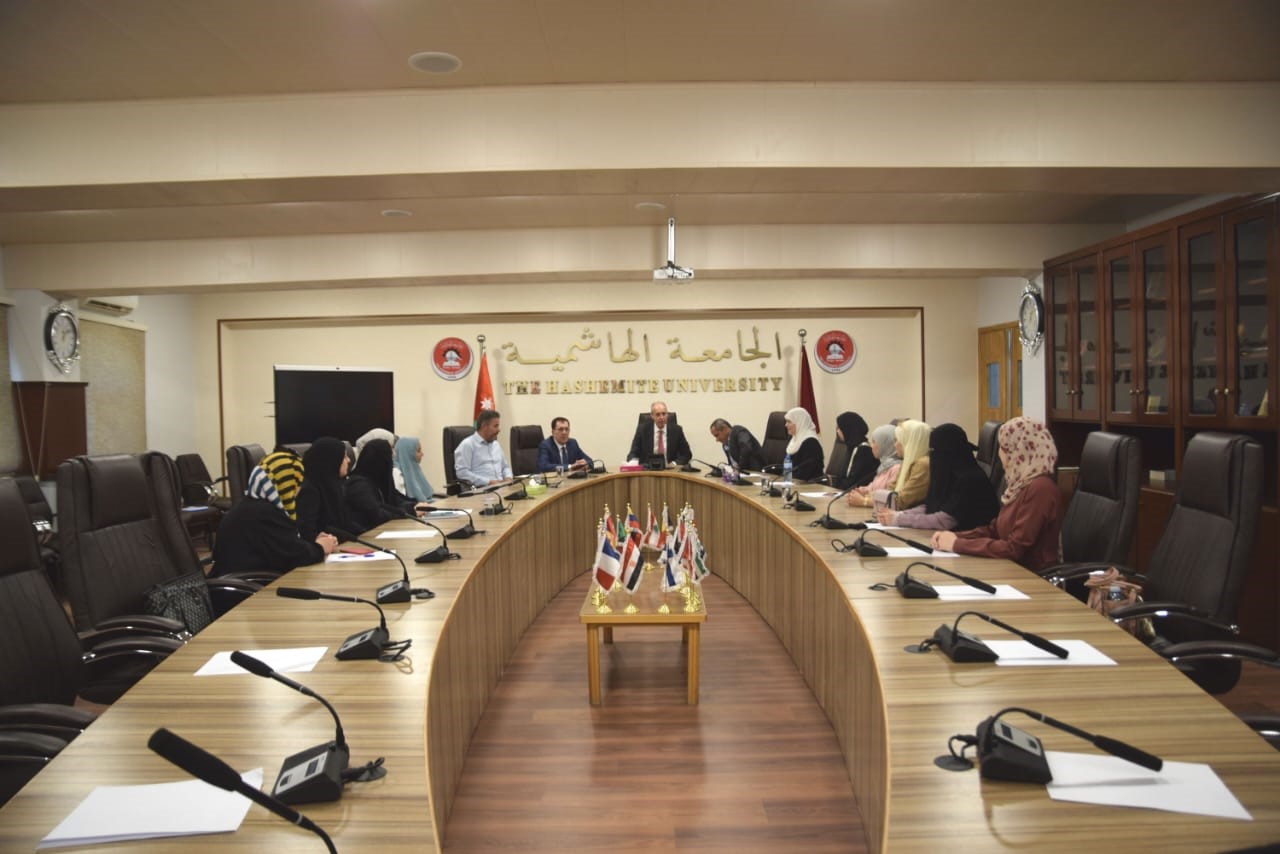
Thematic cooperation covers STEM, gender policies in science, institutional strengthening, academic leadership and the development of inclusive scientific ecosystems. OWSD works in partnership with UNESCO, TWAS, ICTP and IDRC, supporting mobility, mentoring, capacity building and scientific production in the life sciences, ICT, physics, engineering, the environment and health.
The transnational nature of the network facilitates South-South and South-North exchanges, promoting research paths and opportunities for young women scientists and teachers interested in international collaborations.
OWSD offers structured and ongoing opportunities for women scientists from developing countries and for researchers and institutions interested in collaborating internationally. Eligible women scientists can become members, participate in National Chapters and benefit from networking, capacity building and scientific visibility activities. Researchers and institutions from the Global North or those not eligible for membership can participate as Friends of OWSD, contributing to the development of country networks and scientific cooperation initiatives. In addition, OWSD offers the opportunity to host fellows, establish mentoring programmes, support the start-up of laboratories and involve research groups in joint projects aimed at strengthening women’s participation in science and the internationalisation of research systems.
OWSD does not offer logistical facilities or physical hospitality services, as it operates through a globally distributed model. However, the organisation has developed a structured model of academic and professional support for women scientists in developing countries, which includes:
• International mentoring programmes with senior researchers
• Support for academic mobility through networks of host institutions
• Assistance in setting up laboratories and managing scientific projects
• Integration into the local scientific community through National Chapters
• Scientific career guidance and access to global networks (STEM networks, UNESCO, TWAS)
This model facilitates the integration of female researchers into new scientific ecosystems, strengthening career continuity, international connections and research opportunities, even in contexts where material facilities are limited or unavailable.
The Organization for Women in Science for the Developing World (OWSD) is governed by an elected Executive Board, currently chaired by Luisa Echeverría King (President of OWSD).
OWSD is based at the International Centre for Theoretical Physics(ICTP) and is hosted by The World Academy of Sciences (TWAS), reporting to the Executive Director of TWAS, Marcelo Knobel, as a UNESCO Programme Unit.